What it means
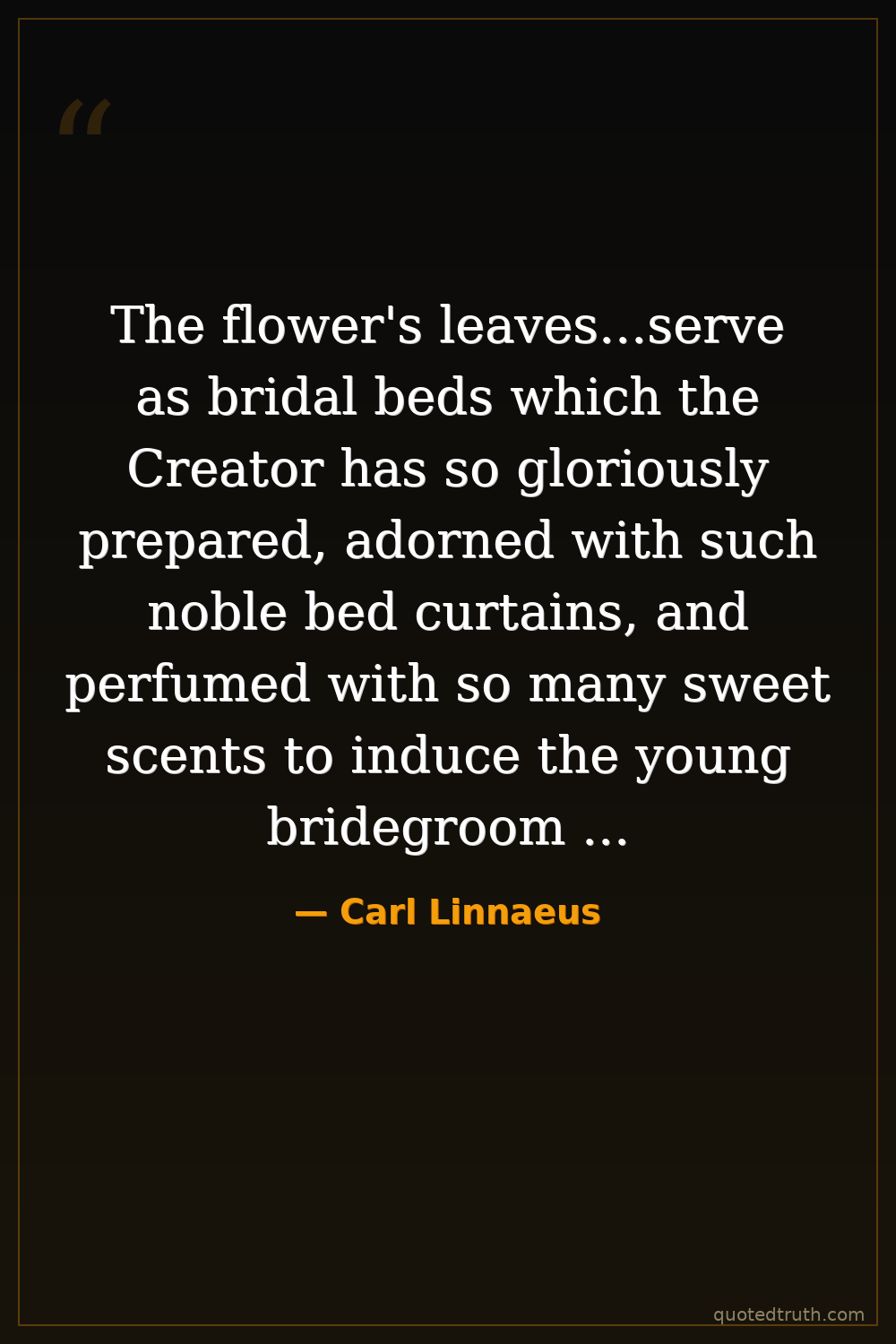
Flowers are nature's reproductive chambers, where pollen transfer between stamens and pistils constitutes plant sexuality. Linnaeus describes petals as decorative enclosures, fragrance as invitation, and pollination as a sexual act—framing botanical reproduction in explicitly romantic, matrimonial terms to make the concept of plant sex comprehensible and dignified to his contemporaries.
Relevance to Carl Linnaeus
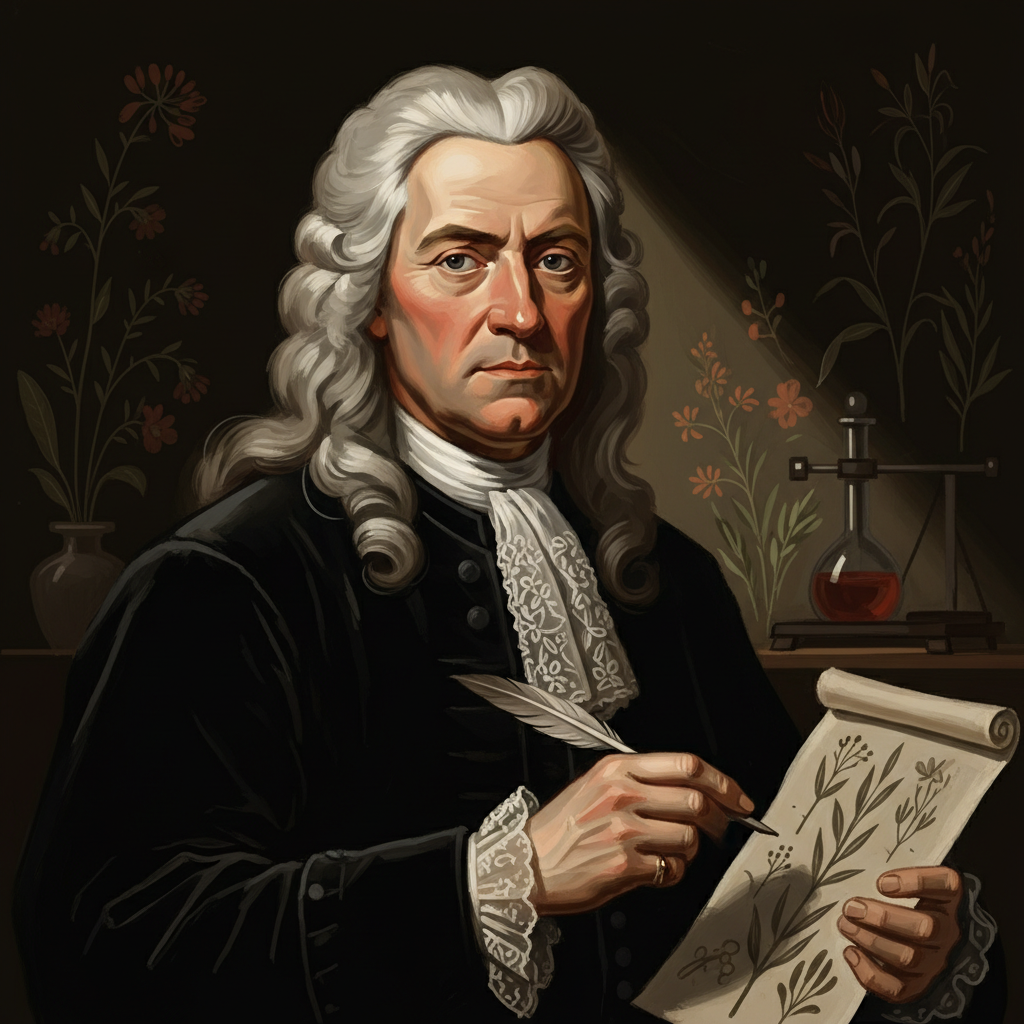
Linnaeus revolutionized biology by systematizing plant classification largely around reproductive organs—stamens and pistils—in his Systema Naturae and Species Plantarum. This quote reflects his conviction that sexuality was the organizing principle of plant life. His sexual system of classification was genuinely controversial, yet he defended it passionately, using poetic language to legitimize and celebrate plant reproduction as divinely ordained.
The era
In the 18th-century Enlightenment, applying sexual terminology to plants was scandalous—clergy and scholars attacked Linnaeus for obscenity. Yet this era simultaneously celebrated natural theology, viewing nature as God's designed creation. Linnaeus bridged both worlds by framing plant sexuality as the Creator's handiwork, making scientific observation spiritually acceptable while advancing empirical botany during an age reshaping humanity's understanding of the natural world.
AI-generated insights based on extensive research and information for context. Factual errors? Email [email protected].