Benjamin Franklin — "The greatest monarch on the proudest throne, is oblig'd to sit upon his own bott…"
The greatest monarch on the proudest throne, is oblig'd to sit upon his own bottom.
The greatest monarch on the proudest throne, is oblig'd to sit upon his own bottom.
Click any product to generate a realistic preview. Up to 3 at a time.
* Initial load can take up to 90 seconds — revising the preview in another color is nearly instant.
"What is wit, or wealth, or form, or learning, when compared with virtue?"
"Keep your eyes wide open before marriage, half shut afterwards."
"Sell not virtue to purchase wealth, nor liberty to purchase power."
"Beer is proof that God loves us and wants us to be happy."
"Creditors have better memories than debtors."
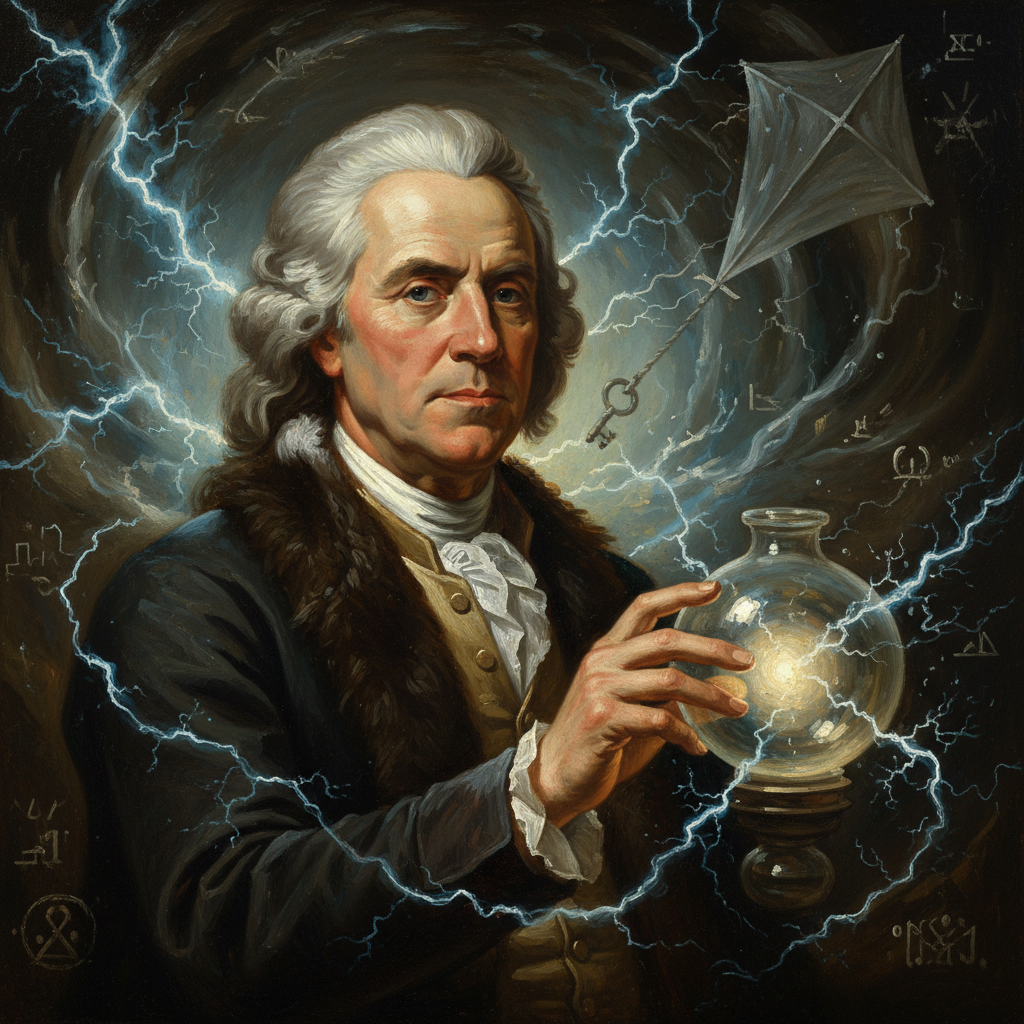
Polymath Founding Father, diplomat, and Poor Richard's Almanack author who helped draft the Declaration of Independence and the Constitution. Closely associated with John Adams (fellow Founder, Massachusetts statesman) and Thomas Jefferson (fellow Declaration drafter). For an intellectual contrast, see Thomas Hutchinson, last royal governor of colonial Massachusetts — Franklin leaked Hutchinson's loyalist correspondence to Boston in 1772 to inflame revolutionary sentiment — Hutchinson represented the colonial-aristocrat crown-loyalty that Franklin's revolution was organized to dismantle.
Found in 1 providers: grok
1 source checked
No matter how powerful or exalted, every person ultimately depends on themselves. Even the mightiest king, seated on the grandest throne, must still rely on his own body, judgment, and actions. The wordplay on 'bottom' — both the seat and one's personal foundation — makes the point twice over: rank and pomp don't exempt anyone from human limitations or personal accountability. Power changes your circumstances, not your fundamental condition.
Franklin was a self-made printer's apprentice who became diplomat, scientist, and statesman — living proof that birth doesn't determine worth. His Poor Richard's Almanack brimmed with egalitarian wit aimed at leveling pretension. Having negotiated directly with European courts and monarchs, Franklin harbored deep skepticism of hereditary privilege. His republican convictions — that no title exempts a person from basic human accountability — shaped both his writing and his role founding a nation without kings.
The 18th century was the height of European absolute monarchy, with the divine right of kings doctrine declaring rulers answerable only to God. Enlightenment thinkers — Locke, Voltaire, Rousseau — were actively dismantling that mythology, arguing all humans share the same rational nature regardless of birth. In the American colonies, resentment of inherited privilege was growing. Franklin's aphorism captured a central Enlightenment conviction: no throne, title, or crown can change the basic facts of human existence.
AI-generated insights based on extensive research and information for context. Factual errors? Email [email protected].
Your cart is empty