What it means
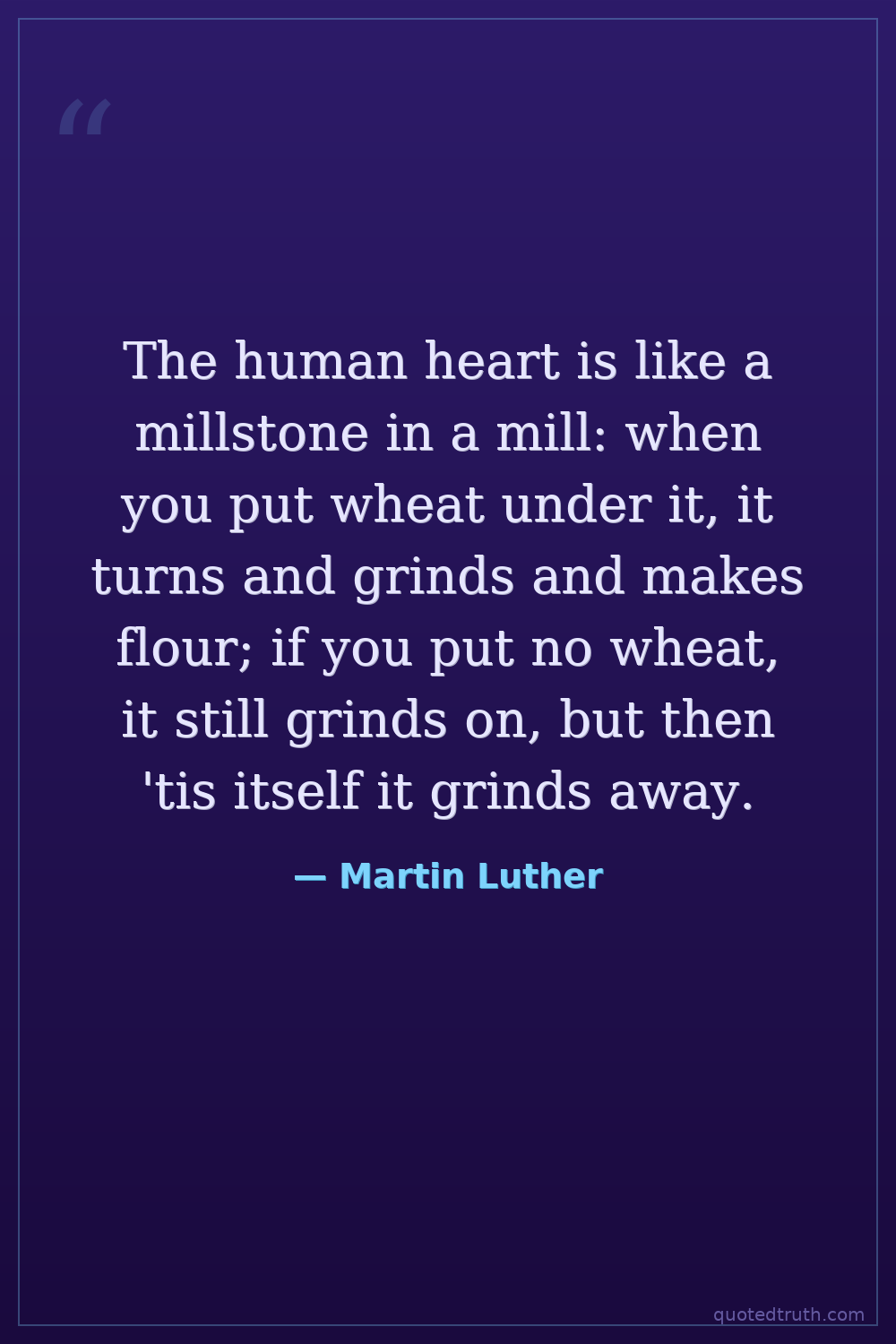
The mind never stops working. Give it something meaningful to focus on and it produces useful results, like flour from grain. Leave it empty or idle and it keeps churning anyway, but with nothing to work on it begins to wear itself down, eroding the person from within. Purposeful engagement is what keeps thinking productive; without it, restless thought becomes self-destructive.
Relevance to Martin Luther
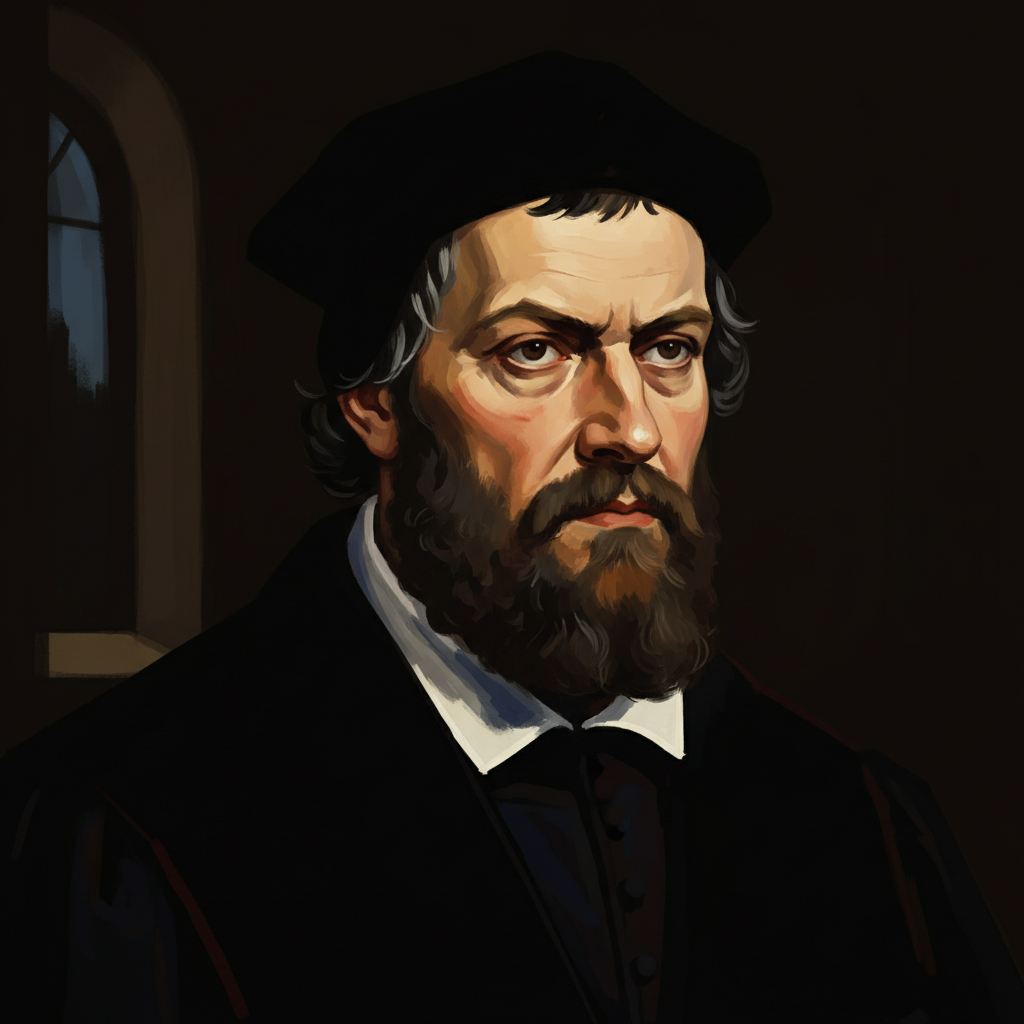
Luther battled intense inner turmoil, scruples, and what he called Anfechtungen, spiritual assaults that tormented him in the monastery. He found relief only by directing his restless mind toward Scripture, preaching, translating, and teaching. A former Augustinian monk turned reformer, he produced an astonishing volume of sermons, hymns, and writings, embodying his own advice that the mind must be fed purposeful work or it will consume its owner.
The era
Early modern Europe was shaken by religious upheaval, plague, peasant revolts, and Ottoman threats. Luther's 1517 Ninety-Five Theses ignited the Reformation, shattering Western Christendom. The printing press spread ideas rapidly, producing anxiety and introspection. Monastic traditions emphasized disciplined contemplation, while humanist scholars prized productive study. In this climate of spiritual dread and intellectual ferment, Luther's warning about idle minds resonated with readers wrestling with salvation, doubt, and rapid cultural change.
AI-generated insights based on extensive research and information for context. Factual errors? Email [email protected].