What it means
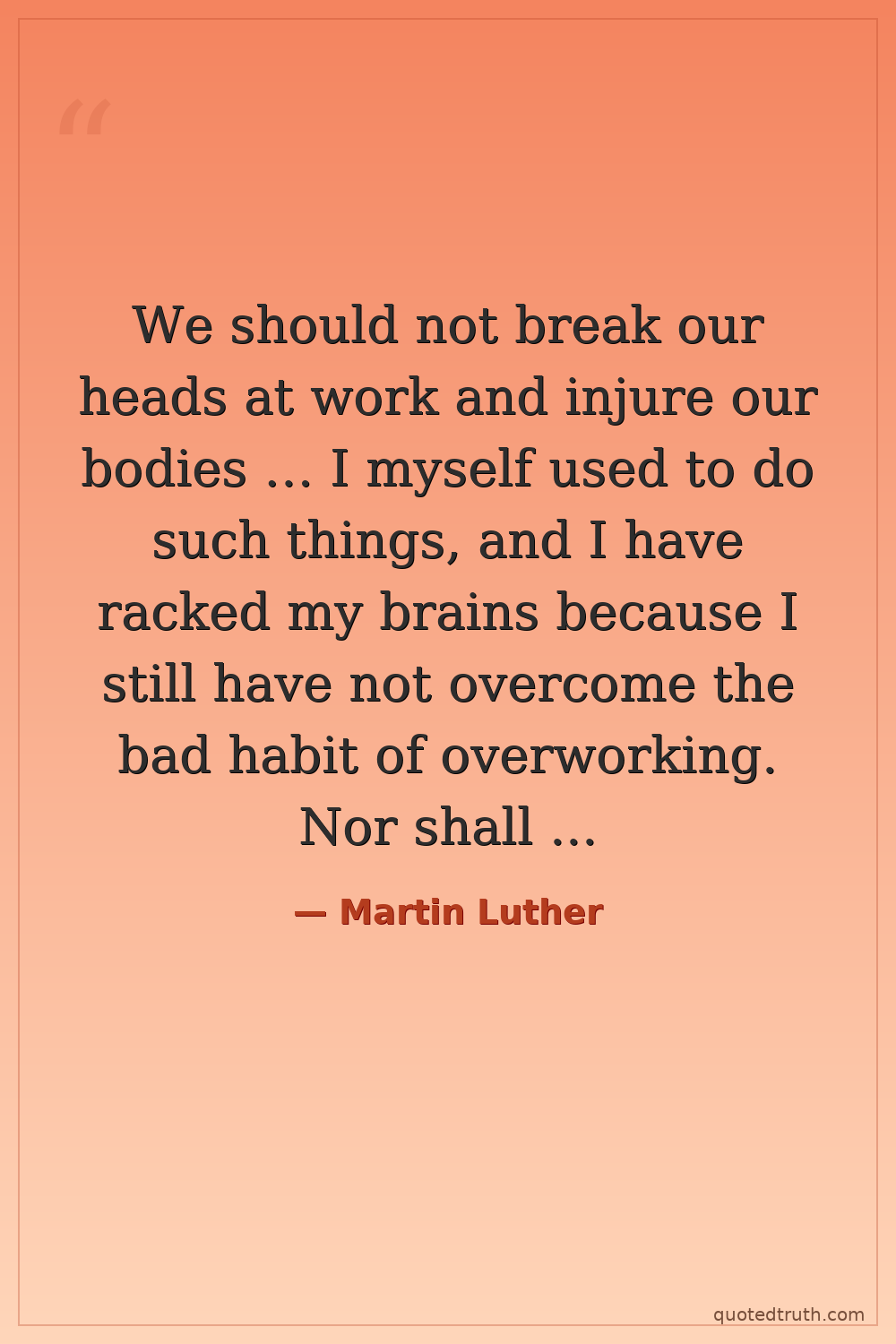
Luther warns against wrecking your health through relentless work. Pushing until your body and mind break isn't dedication, it's damage. He admits he knows this firsthand because he cannot stop himself from overworking, and expects he never will. The lesson: recognize the compulsion, name it honestly, and resist the cultural pull to treat exhaustion as virtue, even if you fall short of fixing the habit in yourself.
Relevance to Martin Luther
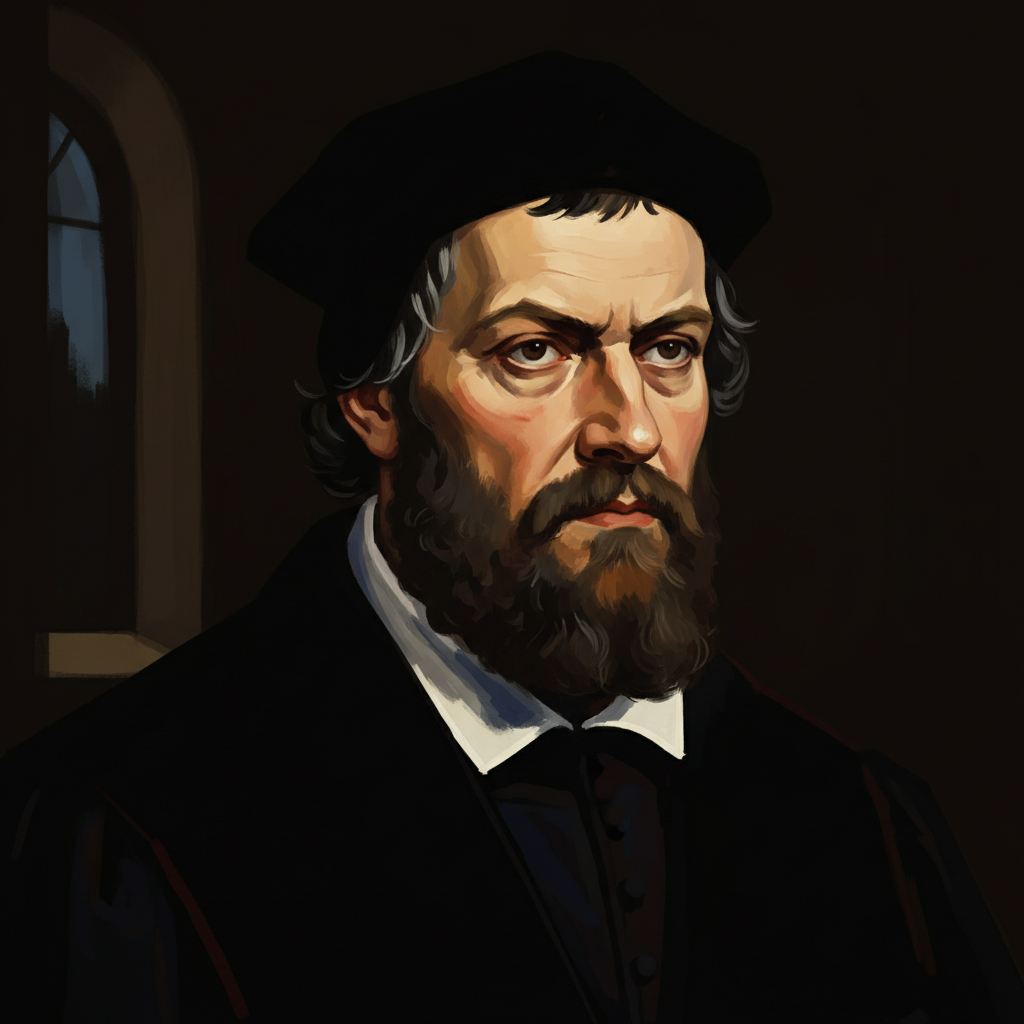
Luther was a monk turned reformer who translated the Bible, wrote thousands of letters, preached constantly, and led a theological revolution while battling chronic illness, depression, and digestive ailments. His output was staggering, and he paid for it physically. This confession fits a man who could not stop producing sermons, tracts, and hymns even as his body gave out, admitting the flaw rather than pretending discipline.
The era
In early modern Europe around the 1520s-1540s, labor was framed through monastic discipline and emerging Protestant work ethic, where diligence signaled piety. Luther himself helped reshape attitudes toward vocation, teaching that ordinary work honored God. Yet life was brutal: plague, short lifespans, and political upheaval around the Reformation pushed reformers to burn fast. Luther's admission pushed back against the assumption that more labor automatically meant more holiness.
AI-generated insights based on extensive research and information for context. Factual errors? Email [email protected].