What it means
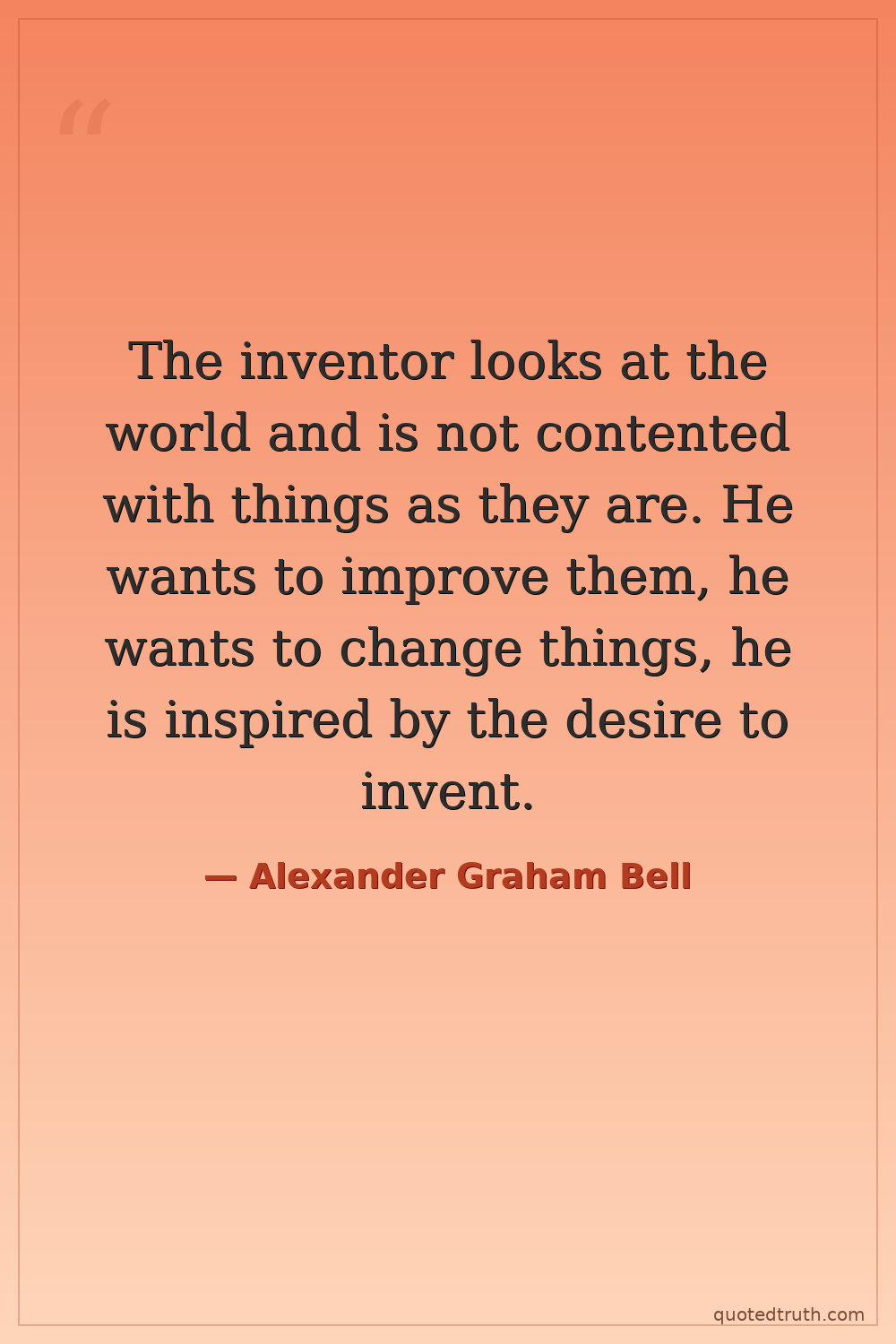
An inventor is fundamentally dissatisfied with the status quo. Rather than accepting how things work, they feel a compulsive drive to improve, redesign, and reimagine. This discontent is not frustration but creative fuel — the emotional engine behind every breakthrough. Invention begins not with a solution but with the refusal to accept that current limitations are permanent or necessary.
Relevance to Alexander Graham Bell
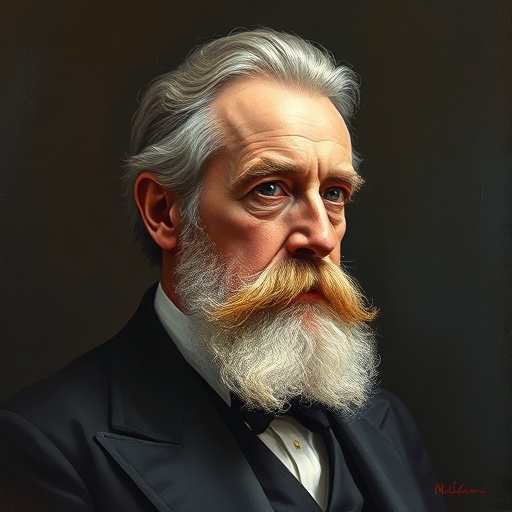
Bell embodied this restlessness entirely. Dissatisfied with the limitations of the telegraph, he pursued a device that could transmit the human voice itself. His work on the telephone emerged from years of experimenting with sound, deaf education, and electrical transmission. He never stopped inventing after the telephone — he worked on photophone, hydrofoil boats, and early aviation, demonstrating lifelong creative discontent.
The era
Bell lived through the Second Industrial Revolution, a period of explosive technological transformation from roughly 1870–1914. Electricity, steel, railroads, and communication networks were reshaping civilization. Inventors like Bell, Edison, and Tesla were cultural heroes. Society was rapidly abandoning the idea that the world was fixed — progress felt inevitable, and the inventor was its prophet and engine.
AI-generated insights based on extensive research and information for context. Factual errors? Email [email protected].