What it means
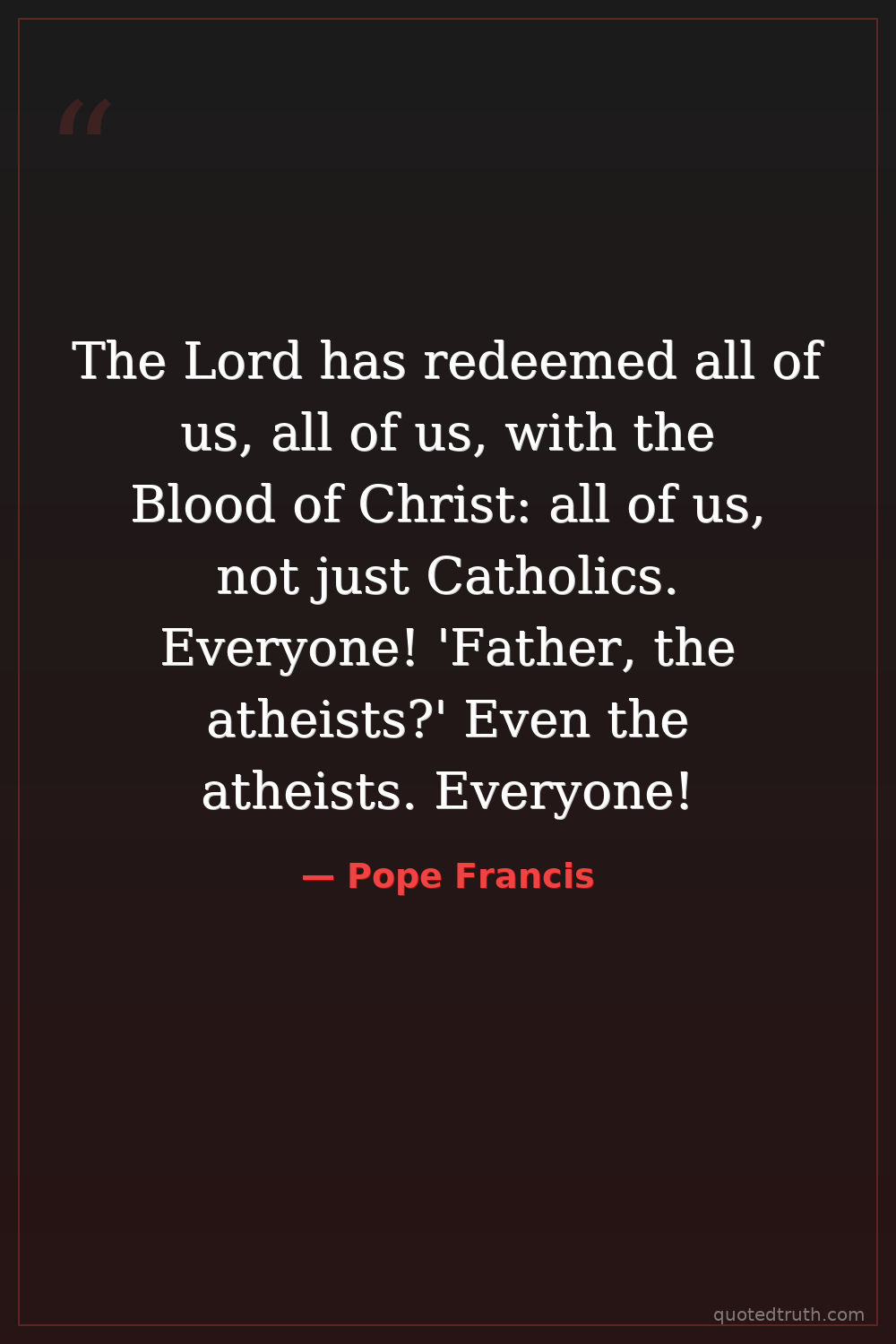
Christ's redemption covers every human being without exception—not just Catholics or Christians, but all of humanity, including atheists. Religious membership doesn't determine who receives God's grace. Using a call-and-response structure, Francis pushes to the most extreme test case imaginable and still answers yes. It reframes salvation as something given freely to all rather than earned or restricted by religious affiliation, belief, or institutional belonging.
Relevance to Pope Francis
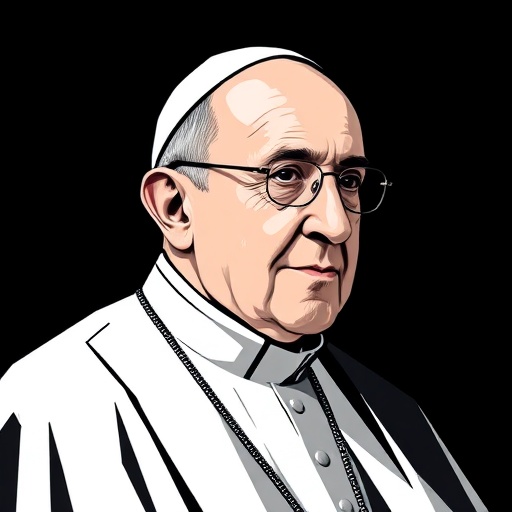
Born Jorge Mario Bergoglio, he chose the name Francis after Francis of Assisi, signaling radical humility and outreach. As Archbishop of Buenos Aires he rode public buses and ministered to slum communities. He maintained a famous correspondence with atheist journalist Eugenio Scalfari. His Jesuit training grounds faith in meeting people where they are. This statement reflects his career-long insistence that pastoral mercy overrides doctrinal gatekeeping.
The era
Francis became pope in 2013 as Western Christianity faced its sharpest decline in generations—the religiously unaffiliated were the fastest-growing demographic in the US and Europe. Church attendance was falling, sex abuse scandals had eroded institutional trust, and atheism was becoming publicly normalized. Explicitly naming atheists as redeemed repositioned Catholicism from a gatekeeping institution to a universally oriented one at precisely the moment its cultural authority was most contested.
AI-generated insights based on extensive research and information for context. Factual errors? Email [email protected].