What it means
Every person you encounter has something to teach you, good or bad. Watch how others behave, copy what works, and learn to avoid what doesn't. Learning isn't confined to classrooms or credentialed experts; it happens constantly through observation of ordinary people. Self-improvement is a matter of attention and discernment, not status. Even flawed companions offer useful lessons if you're paying attention to both their strengths and their mistakes.
Relevance to Confucius
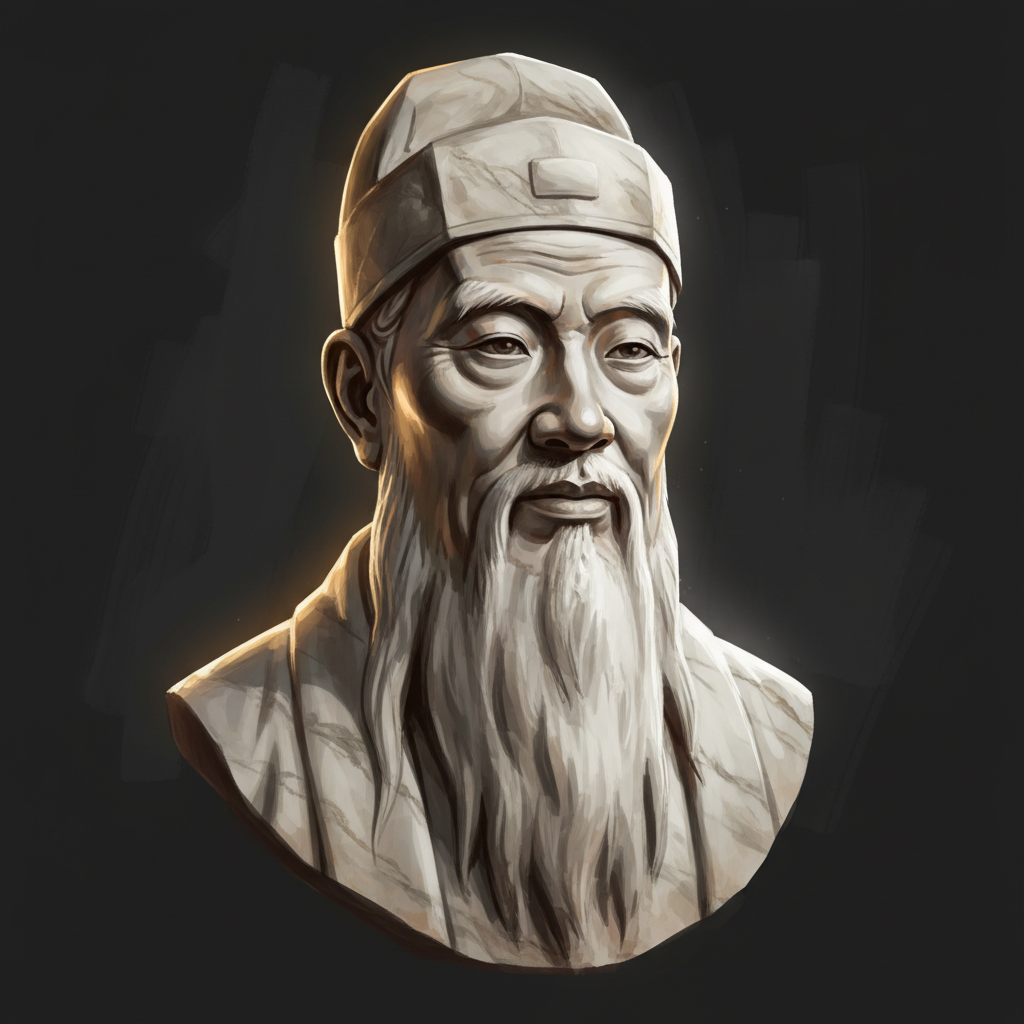
Confucius built his entire philosophy around lifelong learning and moral cultivation through daily practice rather than innate genius. As a wandering teacher who took students of any background for symbolic tuition, he modeled the idea that wisdom comes from humble observation. He repeatedly called himself a learner, not a sage, and prized ren (humaneness) shaped by studying others' conduct. This saying captures his conviction that character is forged through constant, attentive reflection on everyday human behavior.
The era
Confucius lived during the Spring and Autumn period (551-479 BCE), when the Zhou dynasty was fracturing into warring states and traditional social bonds were collapsing. Rulers were corrupt, rituals were ignored, and violence was common. In this chaos, Confucius sought to restore order by reforming individuals rather than institutions. Teaching that ordinary people could cultivate virtue through observation was radical in an aristocratic age where wisdom was assumed to belong to noble birth, not common exchange between travelers.
AI-generated insights based on extensive research and information for context. Factual errors? Email [email protected].