What it means
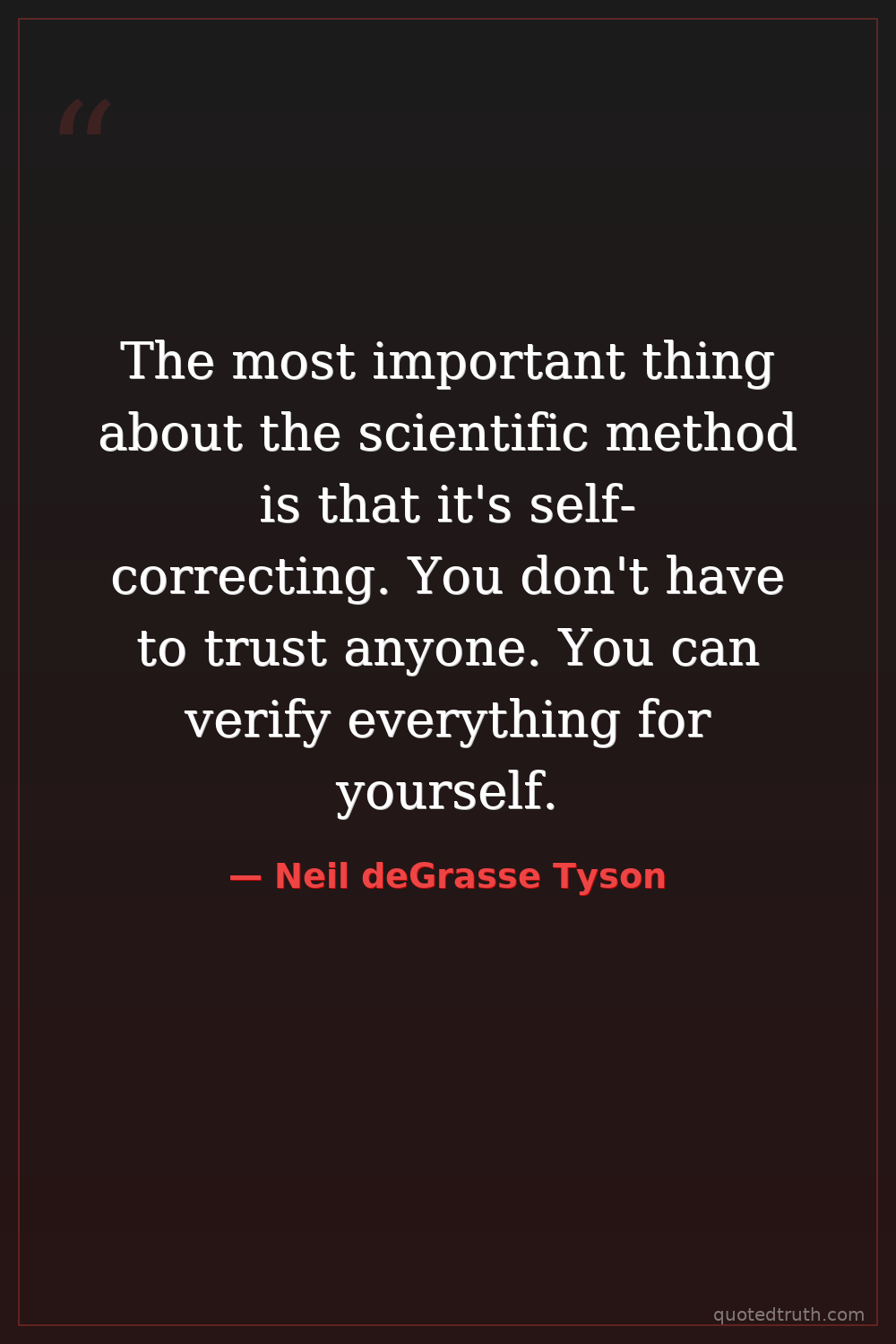
Science doesn't require faith in authorities — its built-in mechanism demands that claims be tested, repeated, and revised when evidence contradicts them. Anyone with the right tools and rigor can check any scientific claim independently. This self-correcting nature means errors get caught and fixed over time, making science uniquely reliable compared to systems built on trust, tradition, or authority.
Relevance to Neil deGrasse Tyson
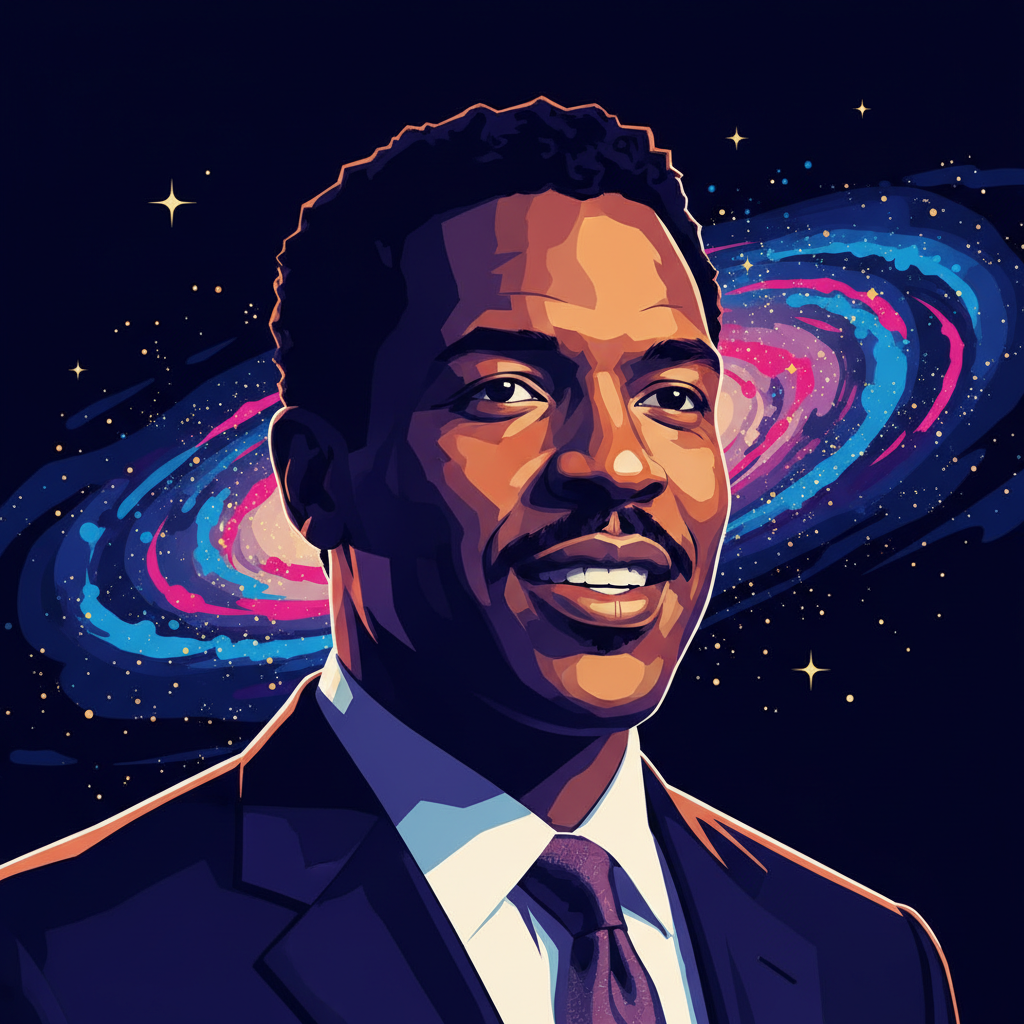
Tyson has spent his career democratizing science through StarTalk, Cosmos, and countless public appearances, arguing that scientific literacy is a civic necessity. As director of the Hayden Planetarium, he consistently champions methodology over personalities. His frustration with science denialism drives this point: you don't have to trust Tyson — you can verify the data yourself, which is precisely his invitation.
The era
Tyson rose to prominence during an era of mounting public skepticism toward scientific consensus — climate denial, vaccine hesitancy, and flat-earth movements gained mainstream visibility through social media. In a post-truth information landscape where misinformation spreads faster than corrections, emphasizing science's self-correcting, verification-based foundation became a direct rebuttal to 'do your own research' rhetoric weaponized against expert consensus.
AI-generated insights based on extensive research and information for context. Factual errors? Email [email protected].