Benjamin Franklin — "The sting of a reproach, is the truth of it."
The sting of a reproach, is the truth of it.
The sting of a reproach, is the truth of it.
Click any product to generate a realistic preview. Up to 3 at a time.
* Initial load can take up to 90 seconds — revising the preview in another color is nearly instant.
"A man who lives on hope dies farting."
"Discover some Drug wholesome & not disagreeable, to be mix'd with our common Food, or Sauces, that shall render the natural Discharges of Wind from our Bodies, not only inoffensive, but agreable as Pe…"
"We are all born ignorant, but one must work hard to remain stupid."
"We must all hang together, or assuredly we shall all hang separately."
"Sloth makes all things difficult; but industry all easy."
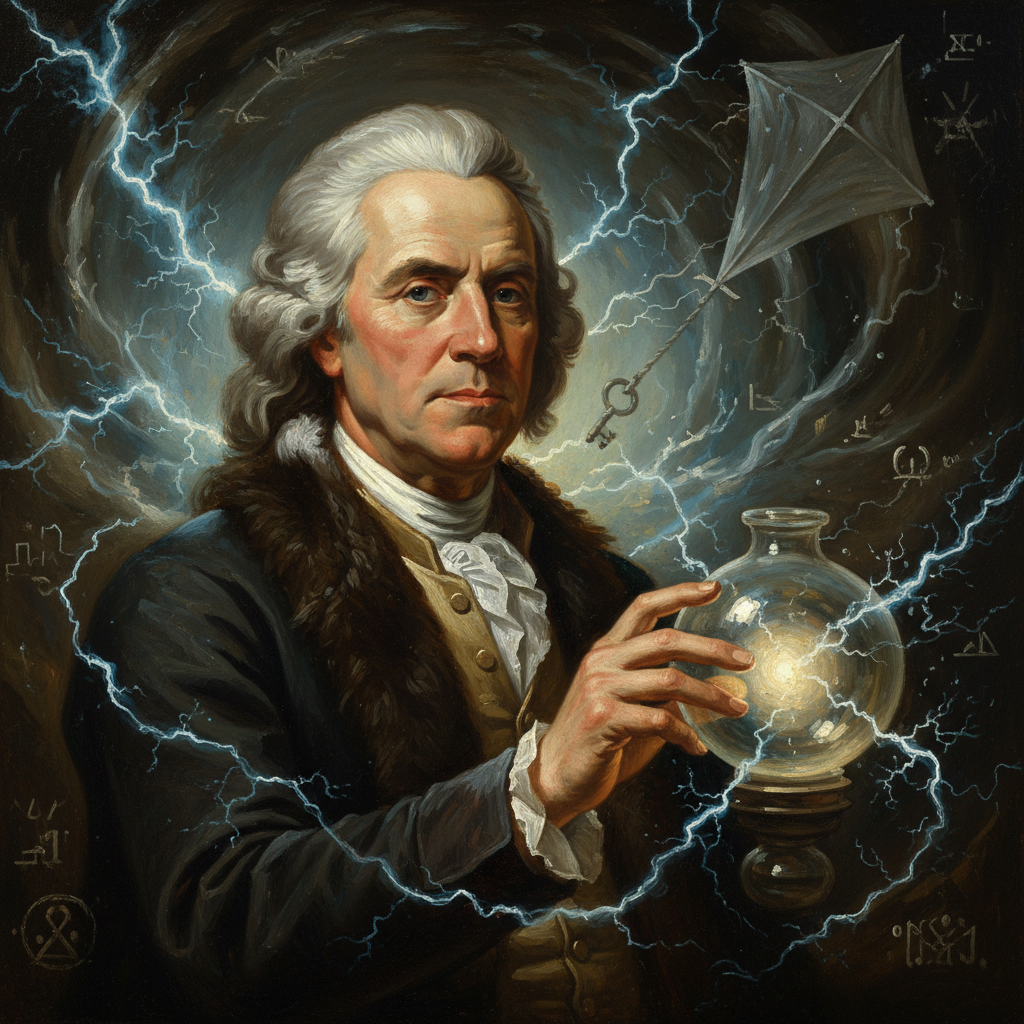
Polymath Founding Father, diplomat, and Poor Richard's Almanack author who helped draft the Declaration of Independence and the Constitution. Closely associated with John Adams (fellow Founder, Massachusetts statesman) and Thomas Jefferson (fellow Declaration drafter). For an intellectual contrast, see Thomas Hutchinson, last royal governor of colonial Massachusetts — Franklin leaked Hutchinson's loyalist correspondence to Boston in 1772 to inflame revolutionary sentiment — Hutchinson represented the colonial-aristocrat crown-loyalty that Franklin's revolution was organized to dismantle.
Found in 1 providers: grok
1 source checked
When a criticism stings, it's because it's true. A false accusation can be shrugged off—you know it doesn't fit. But when a rebuke cuts deep and keeps nagging, that's your conscience recognizing the accuracy. The discomfort isn't from the critic; it's from the truth they've exposed. The sharper the pain, the more precisely the reproach reflects something real about you.
Franklin spent decades as printer and satirist, deploying sharp words and absorbing them. His Poor Richard's Almanack packaged uncomfortable human truths into memorable maxims. His autobiography's 13-virtue self-improvement project shows he genuinely confronted his own flaws. As a diplomat in London and Paris, he navigated political attacks constantly. A man who weaponized wit and measured virtue by action, he knew firsthand that only true criticism leaves a lasting mark.
In colonial and revolutionary America, reputation was tangible capital—it determined creditworthiness, political alliances, and social standing. Public censure in pamphlets, taverns, or broadsides could ruin a man. Franklin himself used print to shape public opinion. In tight-knit communities with limited privacy, a false reproach could be publicly refuted, but a true one clung. This made the truth-content of criticism a measurable, consequential social force with real stakes.
AI-generated insights based on extensive research and information for context. Factual errors? Email [email protected].
Your cart is empty