Martin Luther — "The stomach is the greatest lord on earth."
The stomach is the greatest lord on earth.
The stomach is the greatest lord on earth.
Click any product to generate a realistic preview. Up to 3 at a time.
* Initial load can take up to 90 seconds — revising the preview in another color is nearly instant.
"Again, the Lord wills that whoever confesses his sins and believes the absolution should be forgiven. 'No,' says ass-pope fart, 'faith does nothing; but your own repentance and atonement do, as well a…"
"No other sin exists in the world save unbelief."
"If I had to baptize a Jew, I would take him to the bridge of the Elbe, hang a stone around his neck and push him over with the words 'I baptize thee in the name of Abraham.'"
"The law of God is not given to make us righteous, but to show us our unrighteousness."
"you popes are desperate thorough arch rascals murderers traitors liars the very scum this is number 10 of all the most evil people on earth you're full of all the worst devils in hell full full and so…"
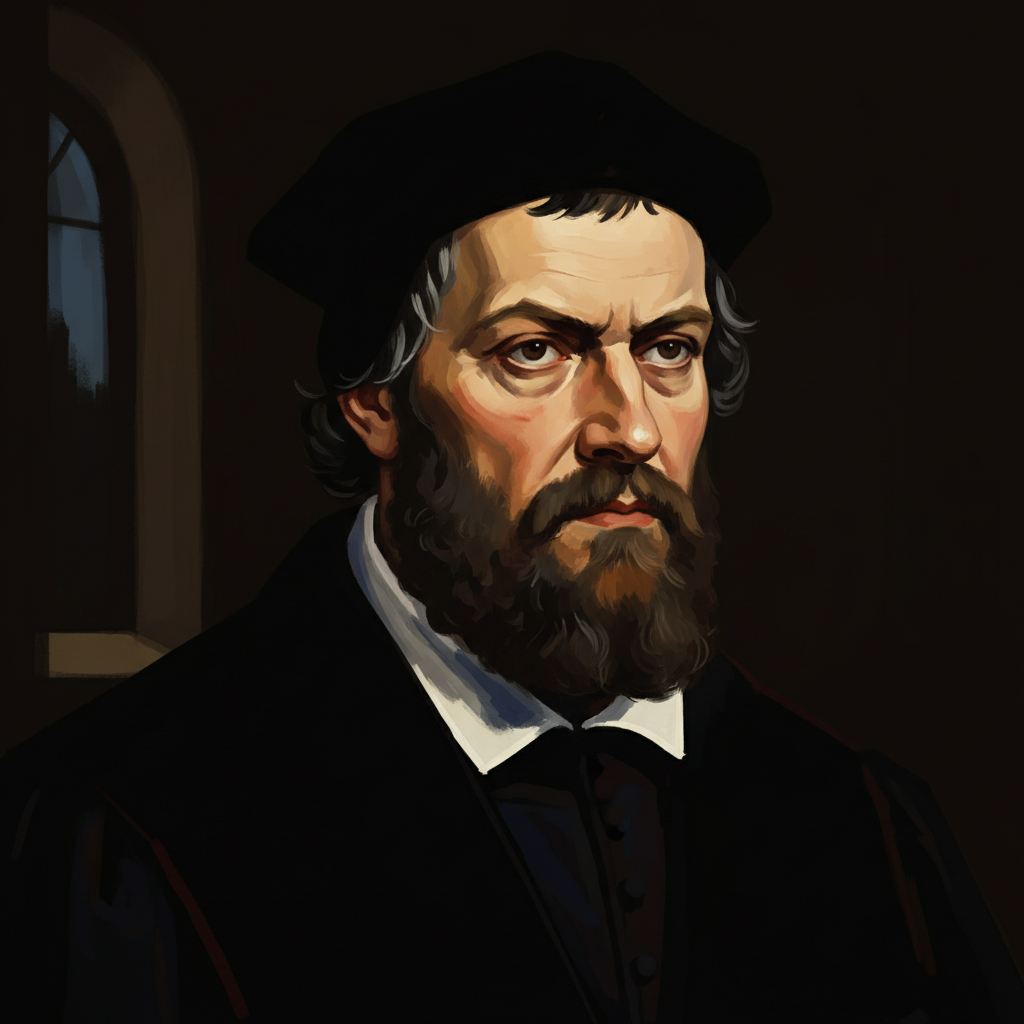
German theologian whose 95 Theses (1517) launched the Protestant Reformation and broke the Catholic Church's monopoly on Western Christianity. Closely associated with Philipp Melanchthon (Lutheran systematizer) and John Calvin (later Reformer who built on Luther's break). For an intellectual contrast, see Pope Leo X, Renaissance pope (1513-1521) — Leo X's indulgence sales triggered Luther's break and Leo excommunicated him in 1521 — Luther's entire Reformation is structured as a direct answer to the indulgence-funded Vatican Leo represented.
Found in 1 providers: grok
1 source checked
Hunger and physical need dominate human behavior more than any ruler, ideology, or moral code. When people are starving or deprived, their bodies dictate their choices, overriding loyalty, principle, and reason. The saying bluntly acknowledges that survival instincts outrank noble ideals. Fill a person's belly and you command their attention; leave it empty and no sermon, law, or authority will hold them. Basic bodily needs sit above every throne.
Luther was a famously earthy, plainspoken theologian who rejected monastic asceticism and embraced married family life, brewing, and hearty meals with his wife Katharina. His Table Talk recorded blunt observations like this one over supper. Having endured fasting as an Augustinian monk, he came to see bodily appetites as God-given realities, not enemies to be crushed, and frequently preached that pastors must feed people before lecturing them.
Sixteenth-century Germany suffered repeated famines, failed harvests, and peasant uprisings, most notably the 1525 Peasants' War driven by hunger and economic grievance. Bread prices dictated political stability, and princes knew starving populations revolted. The Reformation unfolded amid this volatility, with Luther witnessing how empty bellies drove crowds toward both gospel preaching and violent rebellion, shaping his conviction that material conditions shaped spiritual receptivity.
AI-generated insights based on extensive research and information for context. Factual errors? Email [email protected].
Your cart is empty