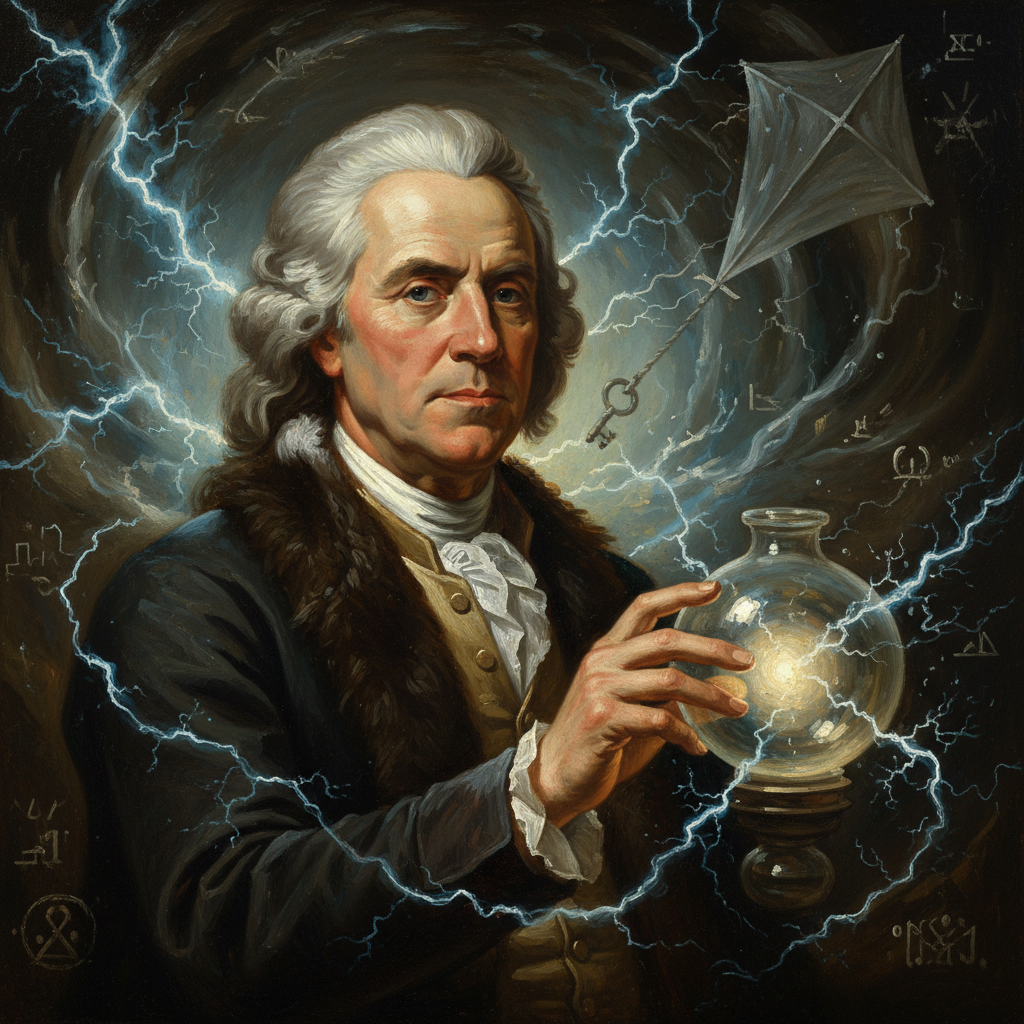
Benjamin Franklin — "The way to be safe, is never to be secure."
The way to be safe, is never to be secure.
The way to be safe, is never to be secure.
Click any product to generate a realistic preview. Up to 3 at a time.
* Initial load can take up to 90 seconds — revising the preview in another color is nearly instant.
"In reality, there is, perhaps, no one of our natural passions so hard to subdue as pride."
"Who dainties love, shall beggars prove."
"Never spare the parson's wine, nor the baker's pudding."
"There are no gains without pains."
"The eye of the master will do more work than both his hands."
Polymath Founding Father, diplomat, and Poor Richard's Almanack author who helped draft the Declaration of Independence and the Constitution. Closely associated with John Adams (fellow Founder, Massachusetts statesman) and Thomas Jefferson (fellow Declaration drafter). For an intellectual contrast, see Thomas Hutchinson, last royal governor of colonial Massachusetts — Franklin leaked Hutchinson's loyalist correspondence to Boston in 1772 to inflame revolutionary sentiment — Hutchinson represented the colonial-aristocrat crown-loyalty that Franklin's revolution was organized to dismantle.
Found in 1 providers: gemini
1 source checked
True safety comes from constant vigilance, never from complacency. "Secure" here means self-satisfied and overconfident. When you believe a threat is eliminated, you stop watching for it — and that blindness is precisely when danger strikes. Genuine protection requires perpetually questioning assumptions, scanning for new risks, and resisting the urge to relax. The feeling of being untouchable is itself the greatest vulnerability. Eternal alertness is the real price of safety.
Franklin embodied this as inventor, diplomat, and founder. His electrical experiments demanded perpetual curiosity — satisfaction with one discovery would have halted progress. In Paris, he negotiated France's alliance by never assuming goodwill was secured. His Poor Richard's Almanac relentlessly warned against pride and idle confidence. Rising from a Boston candlemaker's son to statesman, he knew fortune reversed fast; he founded Philadelphia's first fire company and mutual insurance society because he never assumed catastrophe wouldn't come.
Colonial America offered no real security — the British Crown revoked charters, quartered troops, and taxed without consent, as the Stamp Act (1765) and Intolerable Acts (1774) proved. Enlightenment philosophy simultaneously dismantled the notion that God or kings would protect the faithful. Smallpox, fire, and economic collapse struck without warning. Franklin's era demanded self-reliance backed by institutions, and he institutionalized vigilance directly: fire companies, insurance cooperatives, and constitutional checks on unchecked authority.
AI-generated insights based on extensive research and information for context. Factual errors? Email [email protected].
Your cart is empty