Leonardo da Vinci — "There are three classes of people: those who see, those who see when they are sh…"
There are three classes of people: those who see, those who see when they are shown, those who do not see.
There are three classes of people: those who see, those who see when they are shown, those who do not see.
Click any product to generate a realistic preview. Up to 3 at a time.
* Initial load can take up to 90 seconds — revising the preview in another color is nearly instant.
"I have offended God and mankind because my work didn't reach the quality it should have."
"Where the spirit does not work with the hand, there is no art."
"He who loves practice without theory is like the sailor who boards ship without a rudder and compass and never knows where he may cast."
"The act of procreation and anything that has any relation to it is so disgusting that human beings would soon die out if it were not a traditional custom and if there were no pretty faces and sensuous…"
"One can have no smaller or greater mastery than mastery of oneself."
Found in 1 providers: grok
1 source checked
People differ fundamentally in their capacity for perception and understanding. Some grasp truth independently through keen observation. Others require guidance before recognizing what's before them. A third group remains blind regardless of instruction. This hierarchy isn't about intelligence alone but about intellectual curiosity, openness, and the discipline to truly look rather than merely glance at the world around them.
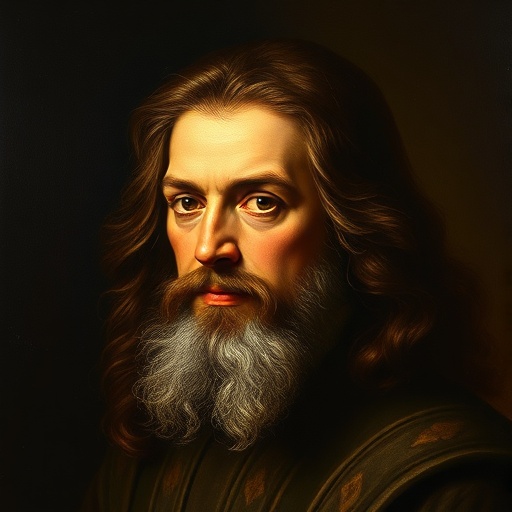
Da Vinci embodied the first class entirely. His notebooks reveal someone who observed shadows, water currents, bird wings, and human anatomy with unprecedented precision when contemporaries ignored such details. His frustration with those who couldn't perceive nature's patterns likely shaped this taxonomy. As both artist and scientist, he spent his life training others to see what existed in plain sight.
The Renaissance was reawakening direct observation after medieval reliance on inherited texts and Church authority. Natural philosophers were learning to trust their eyes over Aristotle. Yet most people remained intellectually passive, accepting received wisdom. Da Vinci's Italy saw this tension acutely as humanist scholars, guild craftsmen, and illiterate laborers inhabited vastly different epistemic worlds simultaneously.
AI-generated insights based on extensive research and information for context. Factual errors? Email [email protected].
Your cart is empty