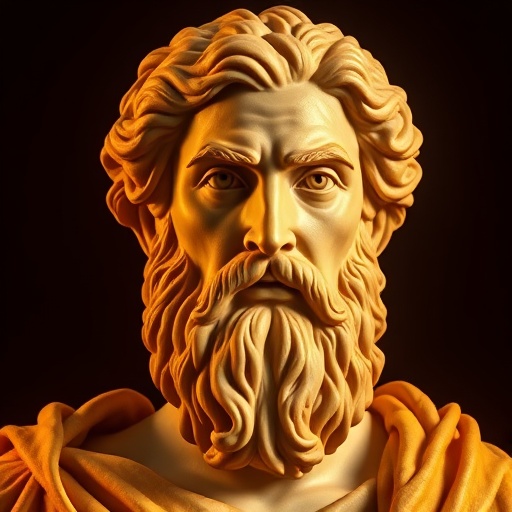
Homer — "There is a time for many words, and there is also a time for sleep."
There is a time for many words, and there is also a time for sleep.
There is a time for many words, and there is also a time for sleep.
Click any product to generate a realistic preview. Up to 3 at a time.
* Initial load can take up to 90 seconds — revising the preview in another color is nearly instant.
"A man who has been through bitter experiences and travelled far enjoys even his sufferings after a time."
"There is no favor in the spear."
"The gods have given us two ears and one mouth, that we may listen more and speak less."
"Of all that breathes and crawls across the earth, our mother earth breeds nothing feebler than a man. So long as the gods grant him power, spring in his knees, he thinks he will never suffer afflictio…"
"For a man may be a fool and not know it."
Greek epic poet traditionally credited with the Iliad and the Odyssey, the foundational works of Western literature. Closely associated with Hesiod (near-contemporary Greek poet of Theogony and Works and Days). For an intellectual contrast, see Plato, Greek philosopher of the Republic — Republic Book X bans the poets from the ideal city, with Homer as the explicit target — Plato argued Homer's gods set immoral examples and that poetry corrupts moral education. The founding philosophy-versus-poetry quarrel of Western thought.
Your cart is empty