What it means
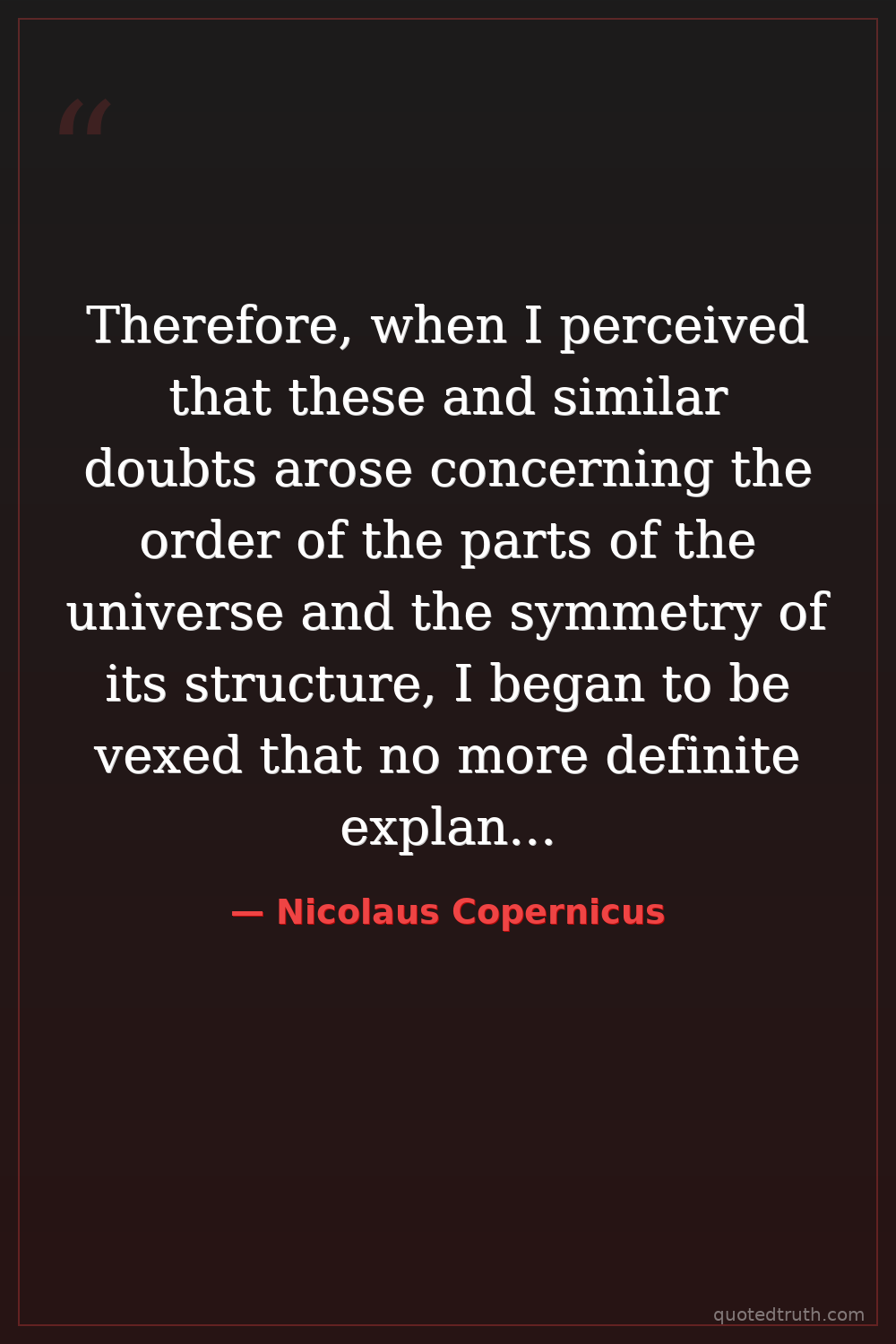
Copernicus expresses frustration that existing philosophical and astronomical systems failed to provide a coherent, consistent explanation for how the cosmos actually moves. The disorder and contradictions within prevailing models bothered him deeply — not merely as an intellectual puzzle, but as an affront to the idea that a rational, perfect Creator would have built something so elegantly ordered. He wanted a unified, logical framework matching observable reality.
Relevance to Nicolaus Copernicus
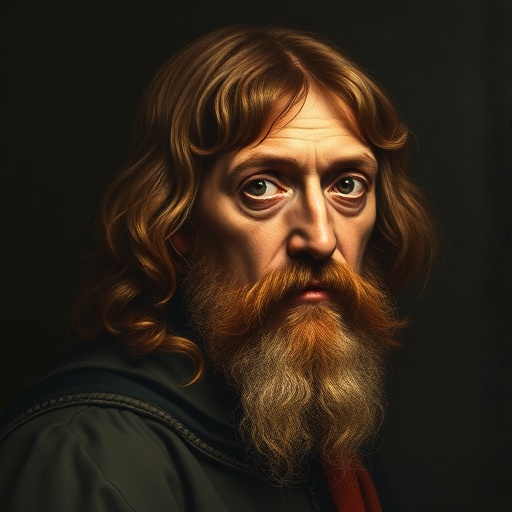
This perfectly captures Copernicus the canon lawyer-turned-astronomer: methodical, deeply religious, and convinced the universe must reflect divine geometric perfection. His decades quietly recalculating planetary tables before publishing De Revolutionibus reflect this same dissatisfaction with Ptolemy's patchwork epicycles. He framed heliocentrism not as rebellion but as restoring proper symmetry to God's creation — a crucial distinction that shaped his cautious, scholarly approach.
The era
In early 16th-century Europe, Ptolemaic geocentrism dominated astronomy, entangled with Church doctrine and Aristotelian natural philosophy. Universities taught astronomy primarily for calendar-making and astrology, not truth-seeking. Renaissance humanism was recovering ancient Greek texts, revealing that even antiquity had competing cosmological models. This intellectual ferment encouraged Copernicus to question inherited authority — yet the Church's institutional power made radical cosmological claims genuinely dangerous.
AI-generated insights based on extensive research and information for context. Factual errors? Email [email protected].