What it means
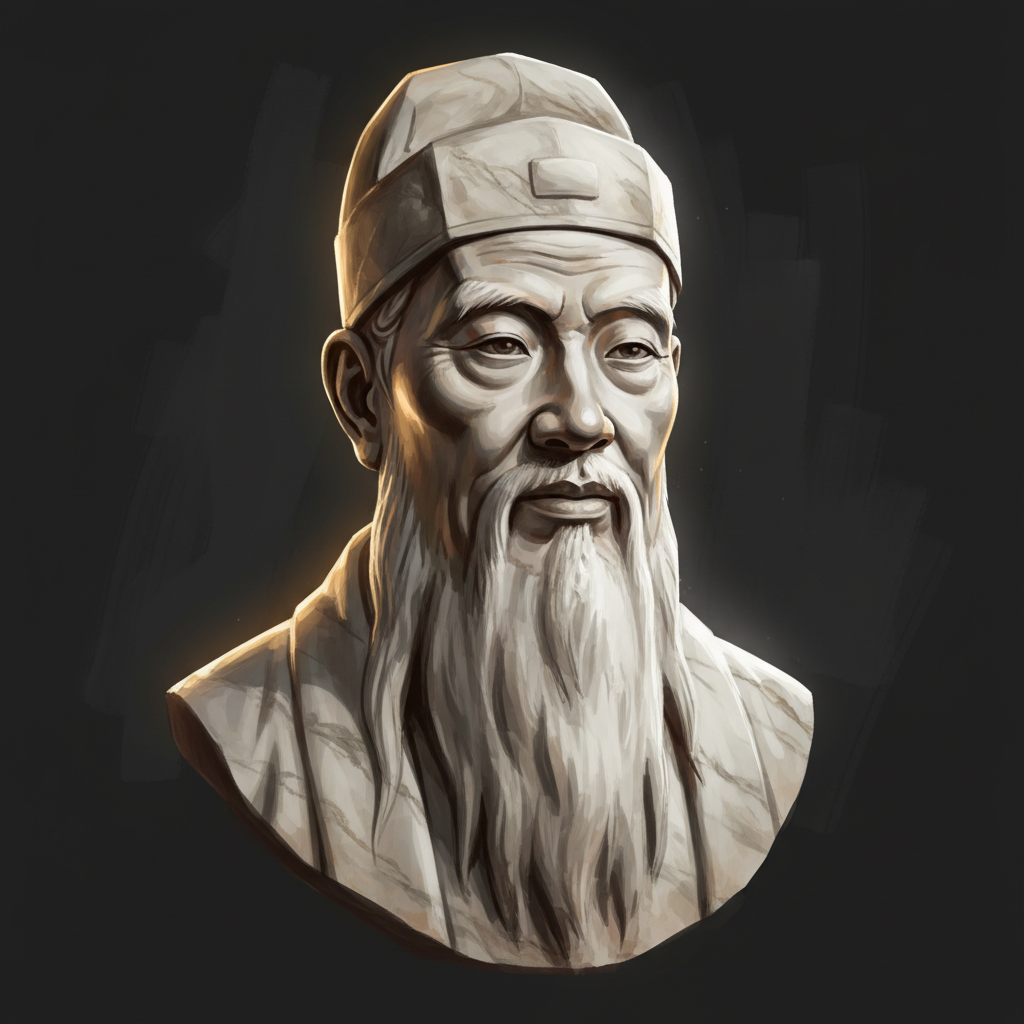
Confucius argues that true moral excellence isn't a single heroic act but the consistent daily practice of five qualities in every situation: carrying yourself with seriousness, giving freely to others, being honest, working diligently, and treating people with kindness. Virtue is behavioral and universal, not theoretical. If you can embody these five traits wherever you go, with whomever you meet, you have achieved the complete ethical life.
Relevance to Confucius
Confucius spent his career as a traveling teacher and minor official trying to reform corrupt rulers through personal ethics rather than law or force. His entire philosophy centered on ren (humaneness) cultivated through daily conduct, ritual propriety, and self-discipline. This five-part formula reflects his signature move: turning abstract virtue into a concrete checklist anyone, ruler or peasant, could practice. He lived these traits himself during decades of political exile and rejection.
The era
Confucius lived during the Spring and Autumn period (551-479 BCE), when the Zhou dynasty was collapsing into warring states, rulers murdered rivals, and social hierarchies frayed. Against this chaos, he offered a radical proposition: stable society depends on personal virtue, not military power or noble birth. Teaching that any person could cultivate perfect character democratized ethics in an aristocratic age and laid the groundwork for two millennia of East Asian moral and political thought.
AI-generated insights based on extensive research and information for context. Factual errors? Email [email protected].