What it means
True intellectual development requires treating art and science as complementary disciplines, not opposing ones. Learning to see means cultivating deliberate, precise observation rather than casual glancing. Everything in the world is interlinked — understanding one domain illuminates another. A complete mind integrates analytical and creative thinking simultaneously, recognizing patterns across fields rather than siloing knowledge into separate, disconnected boxes.
Relevance to Leonardo da Vinci
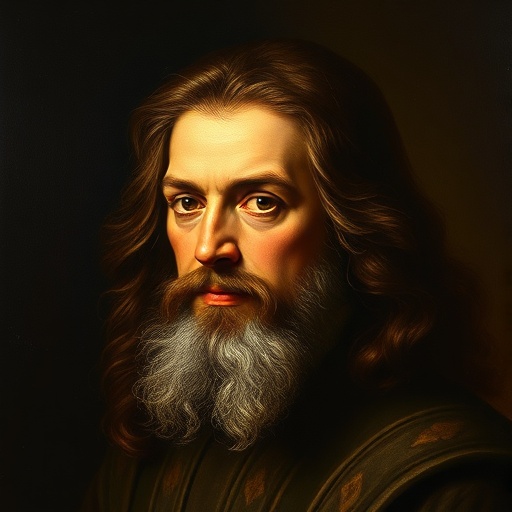
Leonardo embodied this philosophy entirely. His anatomical dissections directly sharpened realism in his paintings; his engineering drawings applied artistic perspective to mechanical invention. He filled thousands of notebook pages crossing botany, hydrology, optics, and architecture without treating them as separate pursuits. His core belief that nature obeyed universal laws meant every discipline was simply a different window into the same underlying reality.
The era
The Italian Renaissance actively dismantled medieval compartmentalization of knowledge. The Church had separated sacred learning from natural philosophy; guild systems siloed craftsmen by trade. Humanism — fueled by rediscovered Greek and Roman texts — championed the uomo universale, the complete man proficient across all disciplines. Leonardo worked at the peak of this cultural shift in Florence and Milan, where wealthy patrons rewarded exactly this kind of cross-disciplinary genius.
AI-generated insights based on extensive research and information for context. Factual errors? Email [email protected].