What it means
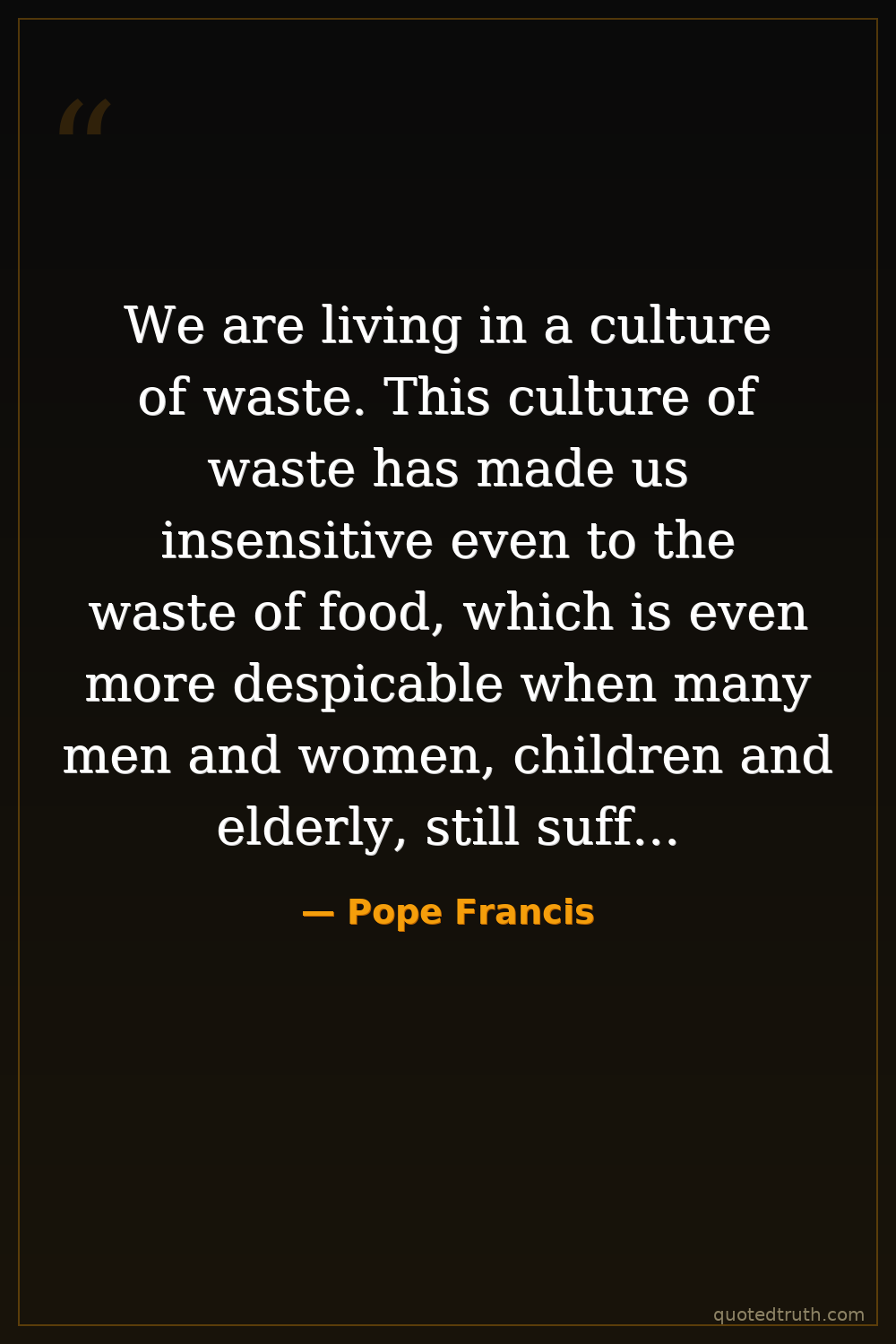
Modern consumer culture treats people and resources as disposable. We've grown numb to throwing away food without a second thought, yet this indifference is morally inexcusable when millions around the world — including children and the elderly — are dying because they don't have enough to eat. Waste and hunger coexist because we've normalized excess.
Relevance to Pope Francis
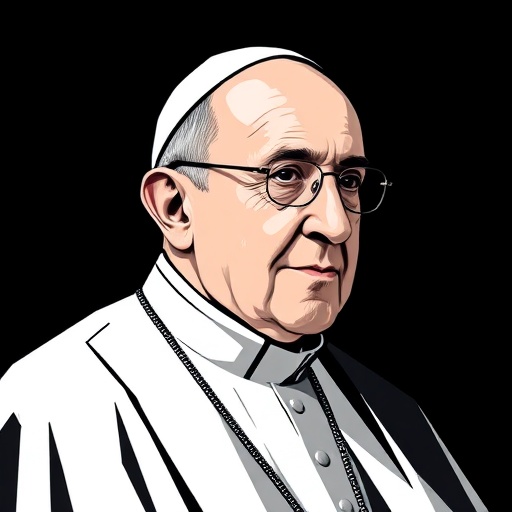
Jorge Mario Bergoglio grew up in working-class Buenos Aires and chose voluntary poverty as a Jesuit, rejecting the ornate Papal apartment for simpler quarters. As Pope he repeatedly condemned economic inequality and environmental destruction, making care for the poor a cornerstone of his papacy. His 2015 encyclical Laudato Si directly addressed throwaway culture and ecological irresponsibility.
The era
Pope Francis spoke these words amid a global food-waste crisis: the UN FAO estimates one-third of all food produced is lost or wasted yearly while 800 million people remain hungry. The 2010s also saw rising inequality debates, the Occupy movement, and growing climate consciousness, making critiques of overconsumption particularly resonant and politically charged across both secular and religious audiences.
AI-generated insights based on extensive research and information for context. Factual errors? Email [email protected].