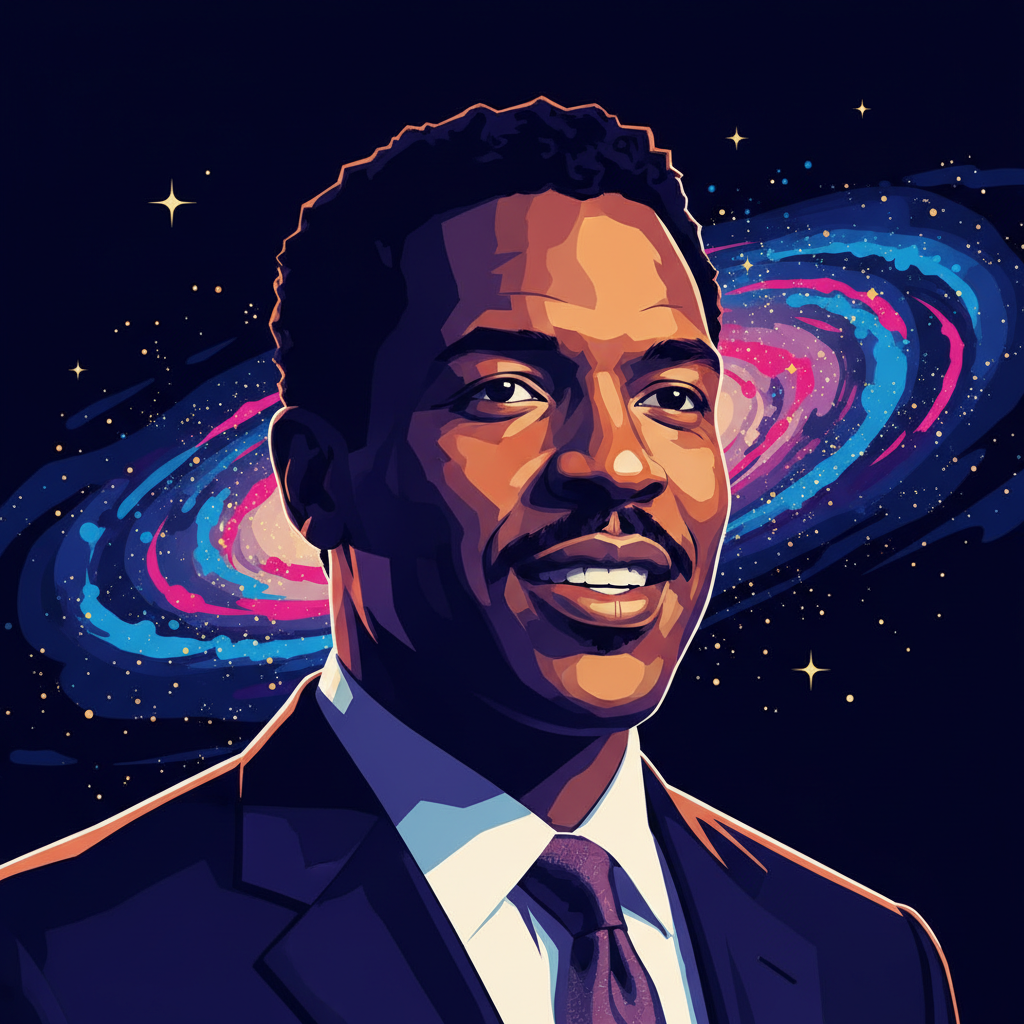
What it means
Society celebrates a baby's first steps and words, then spends the next two decades demanding silence and stillness. The contradiction exposes a core dysfunction: we engineer curiosity and self-expression out of children through rigid schooling and social conformity. The rhetorical question suggests this suppression of human potential has direct consequences for collective problems—from political dysfunction to scientific illiteracy—implying that a freer, more expressive society would fare better.
Relevance to Neil deGrasse Tyson
Tyson has built his career on reigniting public curiosity about the cosmos, arguing that wonder is humanity's most powerful tool. He frequently decries how educational systems extinguish children's natural scientific instincts through rote learning and conformity. As host of StarTalk and Cosmos, he's dedicated to giving people permission to ask questions again—essentially reversing the silencing this quote describes. His advocacy for science literacy directly counters the institutional suppression he critiques.
The era
Contemporary America is defined by tension between free expression and institutional silencing—standardized testing regimes, campus speech controversies, culture wars over school curricula, and social media simultaneously amplifying and suppressing voices. Despite unprecedented access to information, scientific literacy remains low and public discourse grows more polarized. The question of whose curiosity gets nurtured versus extinguished sits at the center of ongoing debates about education reform, democracy, and societal progress.
AI-generated insights based on extensive research and information for context. Factual errors? Email [email protected].