Homer — "When Achilles finally does defeat Hector, he ties the body to his chariot...then…"
When Achilles finally does defeat Hector, he ties the body to his chariot...then drags it back to the Greek camp. Once there, the Greeks flock around the dead Trojan hero and proceed to stab the corpse and mock the dead hero, saying how now he is much softer to handle.
Click any product to generate a realistic preview. Up to 3 at a time. * Initial load can take up to 90 seconds — revising the preview in another color is nearly instant.
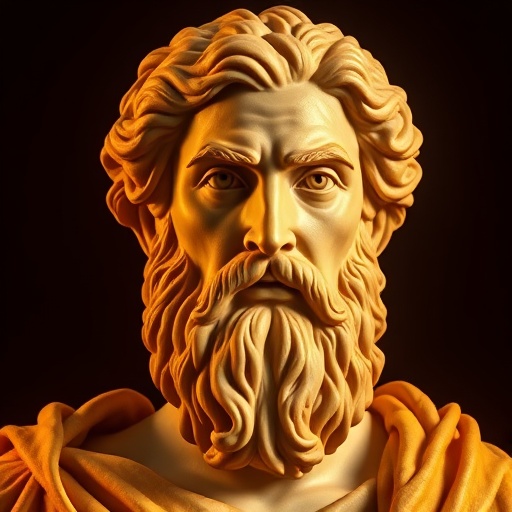
Greek epic poet traditionally credited with the Iliad and the Odyssey, the foundational works of Western literature.
Closely associated with
Hesiod (near-contemporary Greek poet of Theogony and Works and Days).
For an intellectual contrast, see
Plato, Greek philosopher of the Republic — Republic Book X bans the poets from the ideal city, with Homer as the explicit target — Plato argued Homer's gods set immoral examples and that poetry corrupts moral education. The founding philosophy-versus-poetry quarrel of Western thought.
Details
The brutal desecration of Hector's body by Achilles and the Achaeans in The Iliad, a profound act of vengeance and dehumanization.