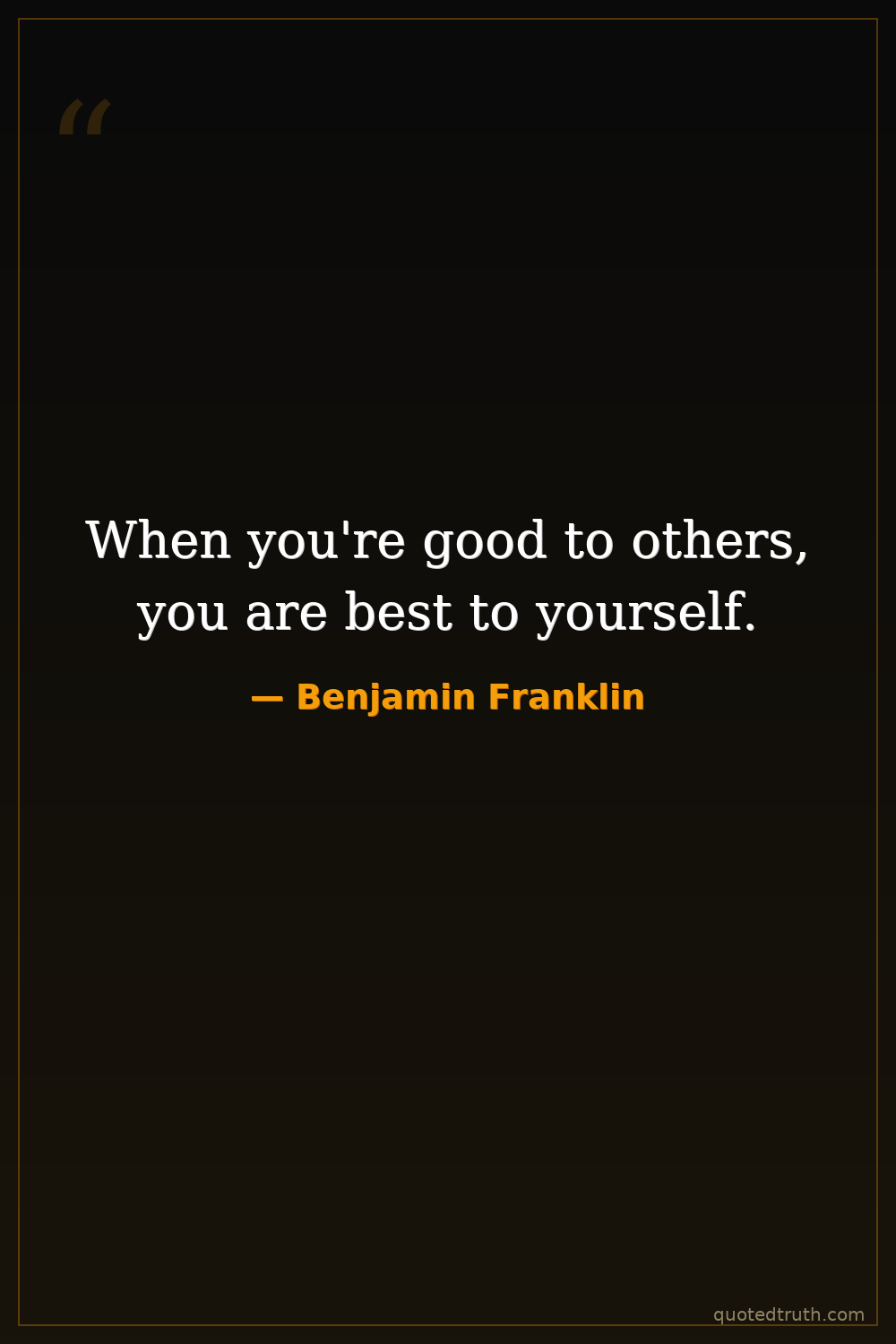
Benjamin Franklin — "When you're good to others, you are best to yourself."
When you're good to others, you are best to yourself.
When you're good to others, you are best to yourself.
Click any product to generate a realistic preview. Up to 3 at a time.
* Initial load can take up to 90 seconds — revising the preview in another color is nearly instant.
"In this world nothing is certain but death and taxes."
"Being ignorant is not so much a shame, as being unwilling to learn."
"Search others for their virtues, thy self for thy vices."
"Well done is better than well said."
"He that is rich, is wise enough."
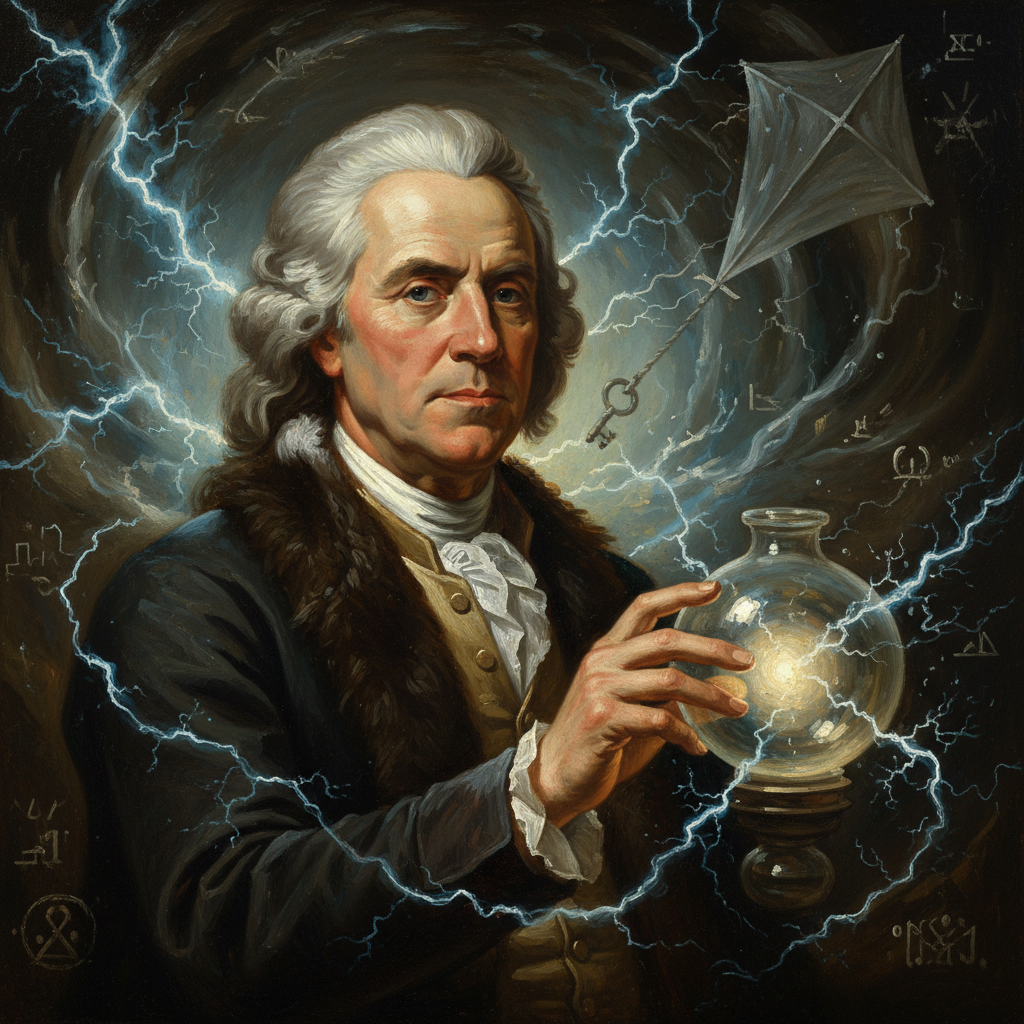
Polymath Founding Father, diplomat, and Poor Richard's Almanack author who helped draft the Declaration of Independence and the Constitution. Closely associated with John Adams (fellow Founder, Massachusetts statesman) and Thomas Jefferson (fellow Declaration drafter). For an intellectual contrast, see Thomas Hutchinson, last royal governor of colonial Massachusetts — Franklin leaked Hutchinson's loyalist correspondence to Boston in 1772 to inflame revolutionary sentiment — Hutchinson represented the colonial-aristocrat crown-loyalty that Franklin's revolution was organized to dismantle.
Found in 1 providers: grok
1 source checked
Kindness toward others is not self-sacrifice — it is the smartest form of self-care. When you act generously and treat people well, you build trust, earn goodwill, and cultivate a character that brings lasting satisfaction. Genuine goodness toward others creates the richest version of your own life — through stronger relationships, better reputation, and the deep fulfillment that comes only from contributing beyond yourself.
Franklin embodied this belief through relentless civic action: he founded Philadelphia's first public library, volunteer fire brigade, and Pennsylvania Hospital. His Junto club organized mutual improvement among tradesmen. Poor Richard's Almanack preached that reputation and character drove material success. Franklin treated generosity as enlightened self-interest — helping others built the networks and goodwill that powered his rise from runaway printer's apprentice to diplomat and statesman.
The Enlightenment actively debated whether virtue and self-interest could align. Philosophers like Shaftesbury argued benevolence was natural; Hobbes had called humans fundamentally selfish. Colonial America was building civic institutions from scratch, making communal cooperation a practical necessity. Franklin's era also saw Protestant emphasis on moral character as a marker of earthly success, making the idea that goodness pays off both culturally resonant and philosophically urgent.
AI-generated insights based on extensive research and information for context. Factual errors? Email [email protected].
Your cart is empty