Benjamin Franklin — "He that is rich, is wise enough."
He that is rich, is wise enough.
He that is rich, is wise enough.
Click any product to generate a realistic preview. Up to 3 at a time.
* Initial load can take up to 90 seconds — revising the preview in another color is nearly instant.
"To lengthen thy life lessen thy meals."
"He that waits upon fortune, is never sure of a dinner."
"He that doth much at once, doth little well."
"The sting of a reproach, is the truth of it."
"Wink at small faults; remember thou hast great ones."
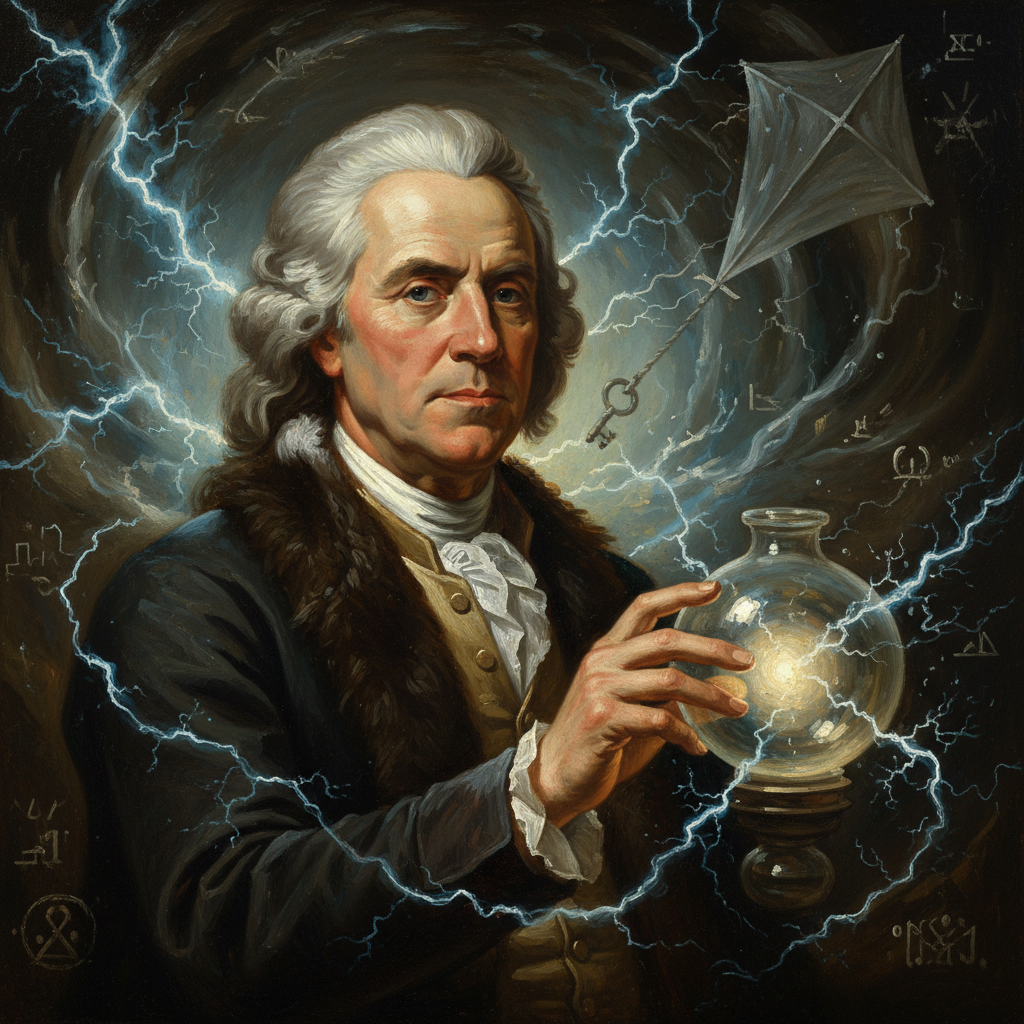
Polymath Founding Father, diplomat, and Poor Richard's Almanack author who helped draft the Declaration of Independence and the Constitution. Closely associated with John Adams (fellow Founder, Massachusetts statesman) and Thomas Jefferson (fellow Declaration drafter). For an intellectual contrast, see Thomas Hutchinson, last royal governor of colonial Massachusetts — Franklin leaked Hutchinson's loyalist correspondence to Boston in 1772 to inflame revolutionary sentiment — Hutchinson represented the colonial-aristocrat crown-loyalty that Franklin's revolution was organized to dismantle.
Found in 1 providers: grok
1 source checked
Money talks — this quote observes that society treats wealth as a substitute for intelligence. A rich person is assumed competent, credible, even clever, regardless of how they got there. You don't need to prove wisdom when your bank account does it for you. The implication cuts both ways: it flatters the wealthy on the surface while quietly mocking everyone who mistakes a full purse for a sharp mind.
Franklin published this in Poor Richard's Almanack, his annual collection of practical wisdom for ordinary colonists. Self-made from modest Boston origins, he earned wealth through printing, frugality, and invention — then watched rich merchants command automatic deference. His Almanack repeatedly punctured the idea that money guarantees virtue. This quote's dry irony is classic Franklin: apparent flattery of the wealthy that actually exposes how shallow colonial social judgment was.
In 18th-century colonial America, wealth determined political standing and social respect — property ownership was required to vote in many colonies. The Enlightenment championed reason and merit, but old hierarchies held firm. Wealthy merchants and landowners dominated local government and set community norms. Against that backdrop, Franklin's quip captured something real: colonial society routinely substituted economic success for genuine intellectual or moral credibility, a practice he found both useful and quietly absurd.
AI-generated insights based on extensive research and information for context. Factual errors? Email [email protected].
Your cart is empty