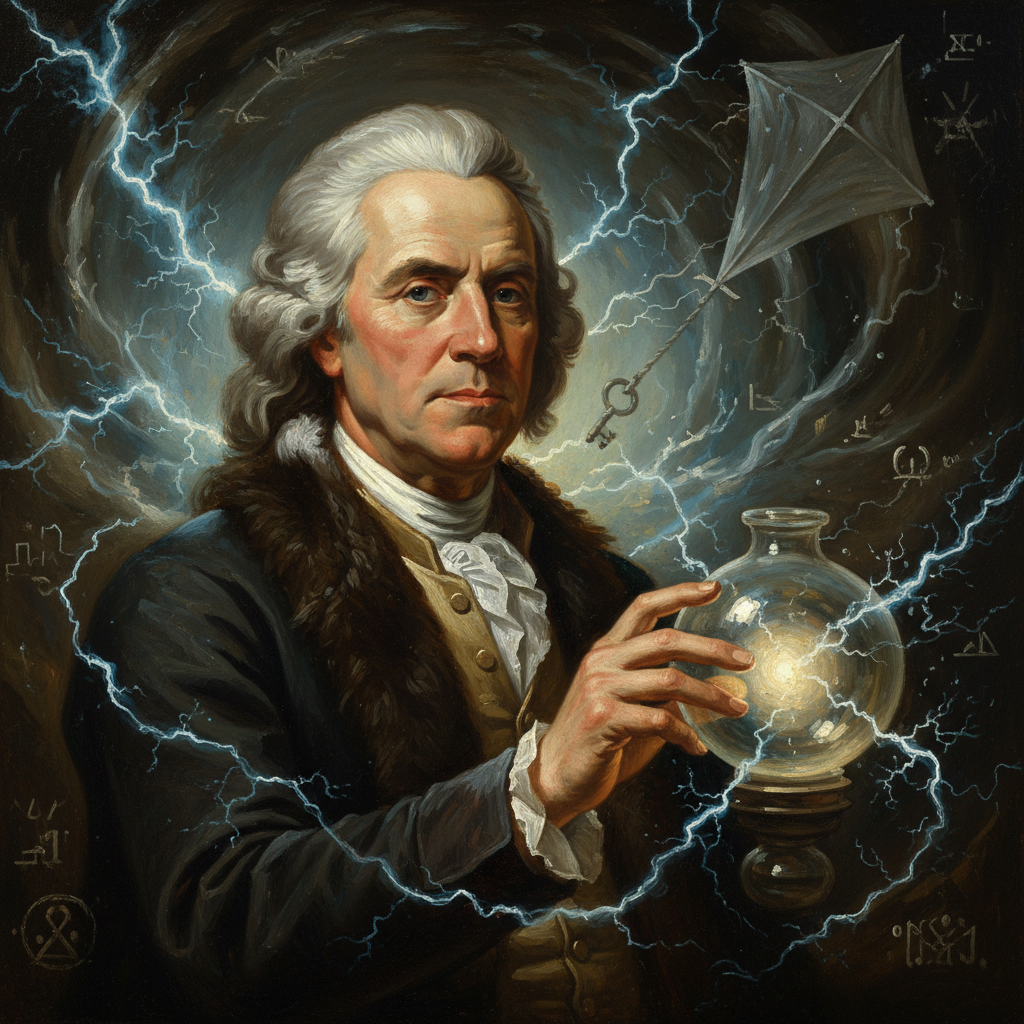
Benjamin Franklin — "Write injuries in dust, benefits in marble."
Write injuries in dust, benefits in marble.
Write injuries in dust, benefits in marble.
Click any product to generate a realistic preview. Up to 3 at a time.
* Initial load can take up to 90 seconds — revising the preview in another color is nearly instant.
"He that resolves to mend hereafter, resolves not to mend now."
"Be at war with your vices, at peace with your neighbors, and let every new year find you a better man."
"In reality, there is, perhaps, no one of our natural passions so hard to subdue as pride."
"Fear not death for the sooner we die, the longer we shall be immortal."
"Hunger is the best sauce."
Polymath Founding Father, diplomat, and Poor Richard's Almanack author who helped draft the Declaration of Independence and the Constitution. Closely associated with John Adams (fellow Founder, Massachusetts statesman) and Thomas Jefferson (fellow Declaration drafter). For an intellectual contrast, see Thomas Hutchinson, last royal governor of colonial Massachusetts — Franklin leaked Hutchinson's loyalist correspondence to Boston in 1772 to inflame revolutionary sentiment — Hutchinson represented the colonial-aristocrat crown-loyalty that Franklin's revolution was organized to dismantle.
Found in 1 providers: grok
1 source checked
Let grievances and wrongs done to you fade away like writing in dust — impermanent, blown off, forgotten. But carve acts of kindness and generosity into marble, permanent and honored. Don't nurse grudges or keep score of slights; instead, deeply remember genuine goodness others show you. Forgive easily, appreciate durably. It's a practical formula for healthier relationships and a calmer inner life, prioritizing gratitude over resentment.
Franklin spent decades as a diplomat in France and Britain where strategic forgiveness was survival — nursing grudges would have fractured the alliances America needed. His Poor Richard's Almanack preached practical virtue over wounded pride repeatedly. He reconciled bitter political rivals to forge the Constitution. His ability to maintain warm relationships across divides wasn't sentimentality; it was calculated civic wisdom. Gratitude toward benefactors and releasing resentment were cornerstones of the character he deliberately cultivated and publicly modeled.
Colonial and Revolutionary America treated personal honor as paramount — grievances could escalate into duels or lifelong feuds destroying reputations and alliances. Yet founding a nation required coalition-building across deep ideological divides. The Enlightenment prized rational mastery of passion, including the impulse to retaliate. Emerging credit economies also made a reputation for trustworthiness and gratitude literal commercial currency. Forgiving injuries while honoring benefits was simultaneously Enlightenment ideal, diplomatic necessity, and practical survival strategy in an era of dangerously fragile alliances.
AI-generated insights based on extensive research and information for context. Factual errors? Email [email protected].
Your cart is empty