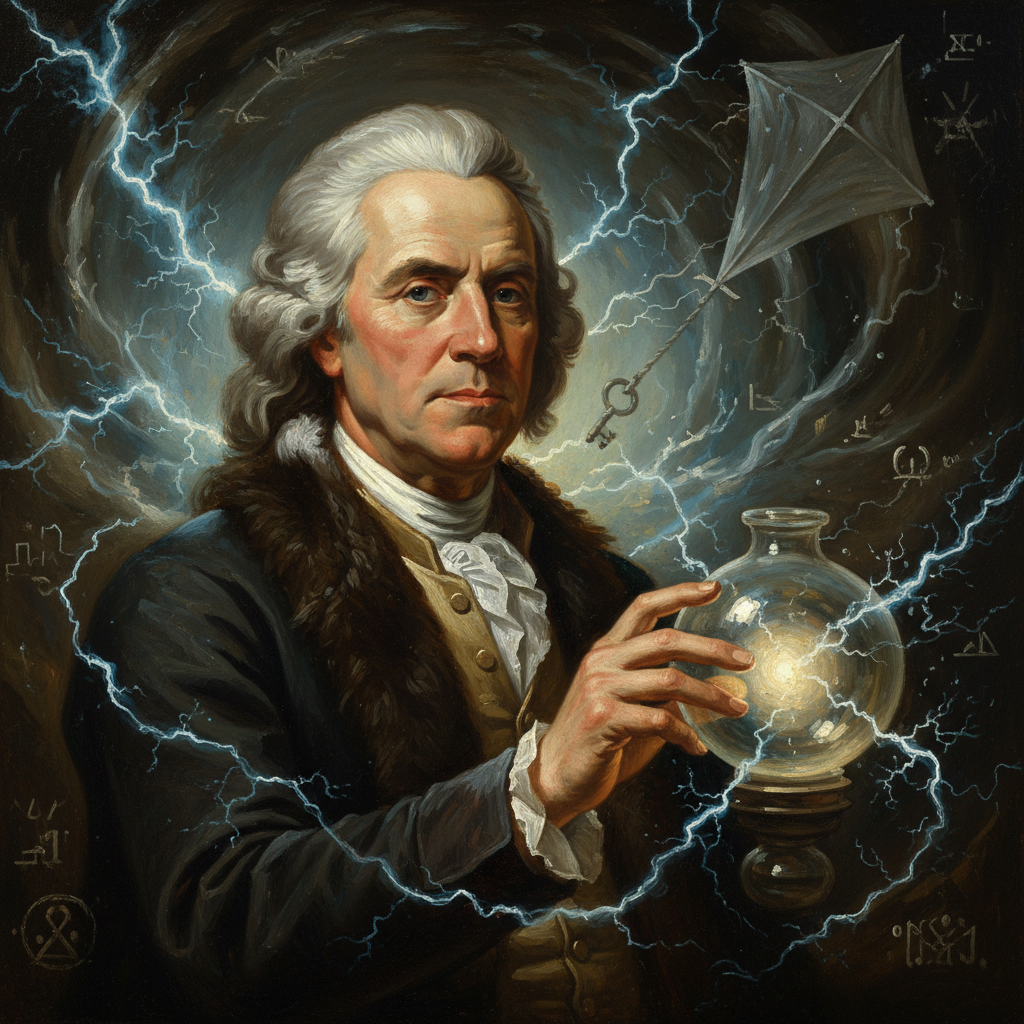
Benjamin Franklin — "Fear not death for the sooner we die, the longer we shall be immortal."
Fear not death for the sooner we die, the longer we shall be immortal.
Fear not death for the sooner we die, the longer we shall be immortal.
Click any product to generate a realistic preview. Up to 3 at a time.
* Initial load can take up to 90 seconds — revising the preview in another color is nearly instant.
"Pardoning the Bad, is injuring the Good."
"Save a moment each day by leaving your trousers on while you relieve your bladder."
"Great talkers, little doers."
"What's a sundial in the shade?"
"Were it not for the odiously offensive Smell accompanying such Escapes, polite People would probably be under no more Restraint in discharging such Wind in Company, than they are in spitting, or in bl…"
Polymath Founding Father, diplomat, and Poor Richard's Almanack author who helped draft the Declaration of Independence and the Constitution. Closely associated with John Adams (fellow Founder, Massachusetts statesman) and Thomas Jefferson (fellow Declaration drafter). For an intellectual contrast, see Thomas Hutchinson, last royal governor of colonial Massachusetts — Franklin leaked Hutchinson's loyalist correspondence to Boston in 1772 to inflame revolutionary sentiment — Hutchinson represented the colonial-aristocrat crown-loyalty that Franklin's revolution was organized to dismantle.
Found in 1 providers: gemini
1 source checked
Death shouldn't frighten you because immortality — whether through legacy, memory, or an afterlife — begins the moment you die and lasts forever. The logic is straightforward: the sooner that endless state begins, the longer it runs. This reframes death as a starting line rather than a finish line, stripping away dread by pointing out that dying sooner simply means more time spent in that immortal condition.
Franklin wrote his own epitaph as a young man comparing his body to a worn-out book to be "published anew in a more elegant edition" — proof he treated death with rational calm rather than dread. As a Deist, he believed in an afterlife but rejected religious terror. A printer, scientist, and statesman obsessed with reputation, Franklin spent his life building the kind of remembered achievement that validates immortality through legacy.
In colonial and revolutionary America, death was omnipresent — smallpox, war, infant mortality, and frontier hardship made it a daily reality. Yet the Enlightenment pushed thinkers toward reason over superstitious fear. Deism, which Franklin embraced, taught a rational universe where terror of death seemed irrational. Founding-era culture also elevated civic virtue and lasting reputation as secular paths to immortality, making Franklin's framing resonate with both religious and Enlightenment-minded audiences simultaneously.
AI-generated insights based on extensive research and information for context. Factual errors? Email [email protected].
Your cart is empty