What it means
Leaders entrusted with others' welfare must remain vigilant and personally invested, not detached like paid workers who abandon their charges when danger comes. Negligence in leadership has severe moral consequences — losing the people under your care means losing your own spiritual reward. True leaders sacrifice comfort for constant watchfulness, because the failures of those in power fall entirely on their own souls.
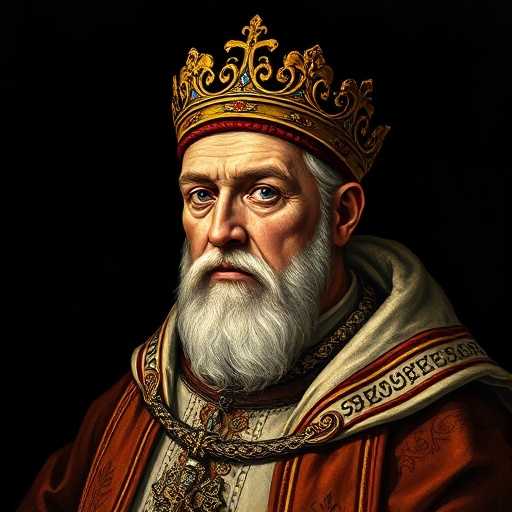
Relevance to Pope Urban II
As pope, Urban II held supreme pastoral authority over the Christian church. He called the First Crusade at Clermont in 1095 partly from this same logic — that failing to protect Eastern Christians from Seljuk Turks would condemn church leadership morally. His papacy emphasized reforming corrupt clergy who treated their positions as income rather than sacred duty, directly reflecting this hireling-versus-shepherd tension.
The era
Medieval Christendom viewed clergy as literal shepherds of souls, making this metaphor concrete and urgent. The late 11th century saw rampant simony and lay investiture — bishops bought their offices and served nobles rather than God. Urban's pontificate came during the Investiture Controversy, when the church fought to reclaim authority over corrupt clergy who were precisely the hirelings he condemned here.
AI-generated insights based on extensive research and information for context. Factual errors? Email [email protected].