What it means
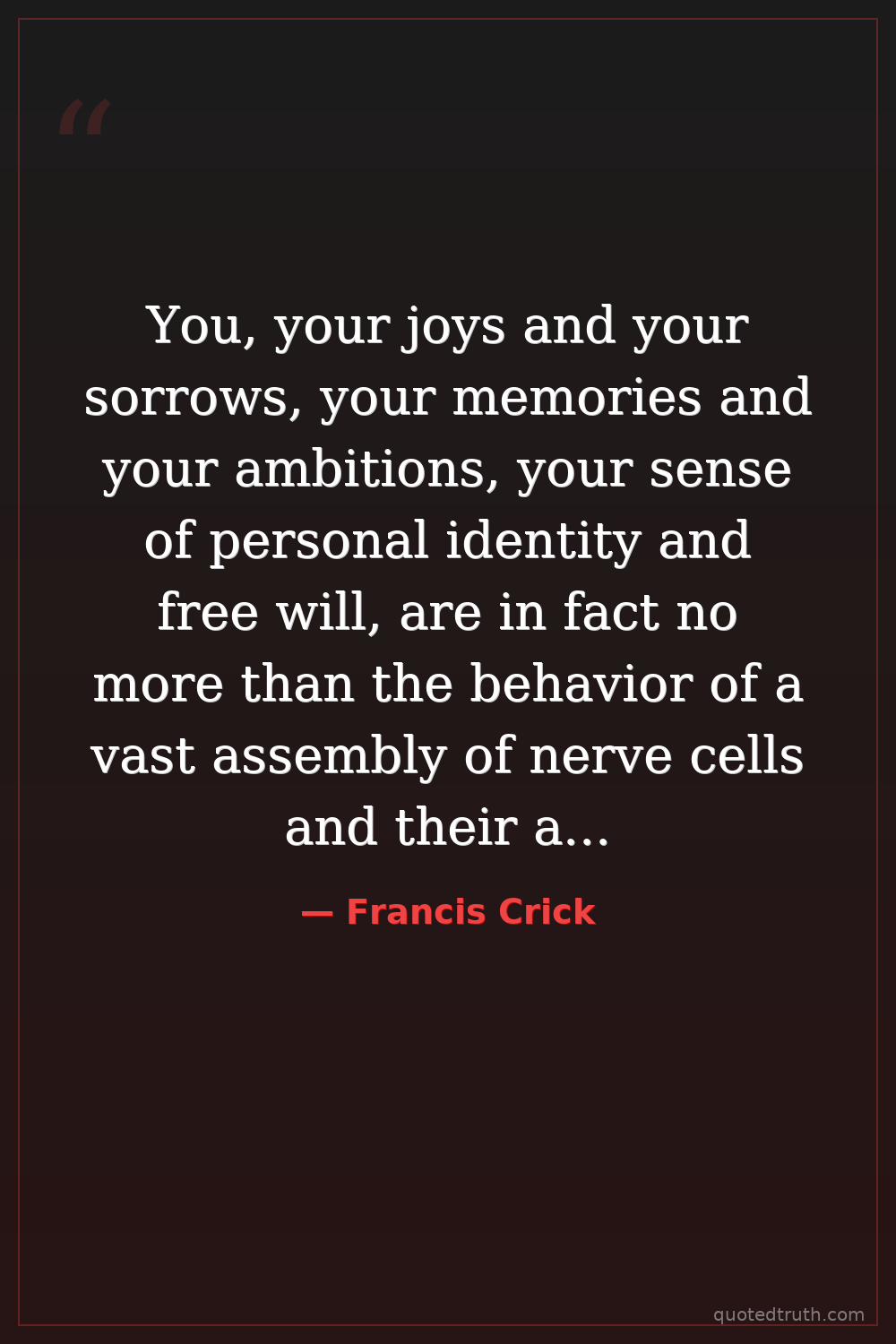
Everything you experience as a self—happiness, grief, recollection, drive, the feeling of being you, even the conviction that you choose freely—is ultimately the activity of brain cells and the chemicals between them. There is no separate soul or non-physical mind directing the show. What feels like an inner essence is the output of biological machinery, and once that machinery stops, the experience stops with it.
Relevance to Francis Crick
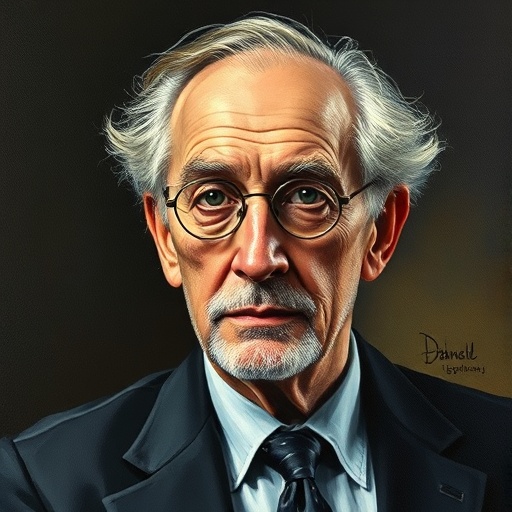
Crick co-discovered DNA's double helix in 1953, then spent his last decades at the Salk Institute hunting the neural basis of consciousness, work distilled in his 1994 book The Astonishing Hypothesis from which this line comes. A committed atheist and reductionist, he believed biology could explain mind just as it explained heredity, and he pushed neuroscience to treat awareness as a tractable molecular problem rather than a mystery reserved for philosophers or theologians.
The era
Crick wrote this in the 1990s, the U.S.-declared Decade of the Brain, when fMRI, PET scans, and molecular neuroscience were exploding and consciousness was finally re-entering serious science after decades of behaviorist taboo. Genetics was triumphant, the Human Genome Project was underway, and public debate pitted this confident materialism against creationism, New Age spirituality, and dualist intuitions about soul, free will, and human exceptionalism.
AI-generated insights based on extensive research and information for context. Factual errors? Email [email protected].