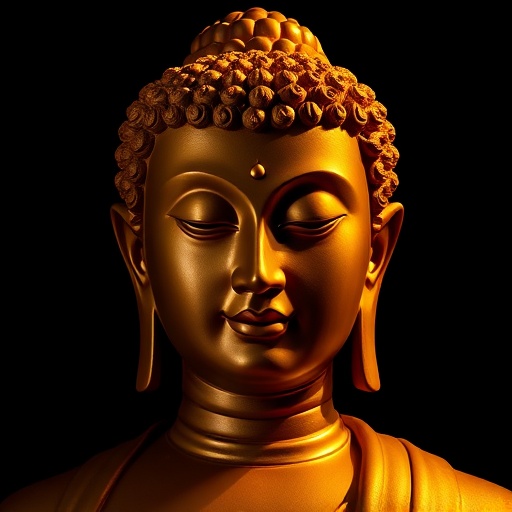
Siddhartha Gautama (Buddha) — "Your worst enemy cannot harm you as much as your own unguarded thoughts."
Your worst enemy cannot harm you as much as your own unguarded thoughts.
Your worst enemy cannot harm you as much as your own unguarded thoughts.
Click any product to generate a realistic preview. Up to 3 at a time.
* Initial load can take up to 90 seconds — revising the preview in another color is nearly instant.
"Conquer the angry one by love. Conquer the evil one by good. Conquer the stingy one by generosity. Conquer the liar by truth."
"Long is the night to him who is awake; long is a mile to him who is tired; long is life to the foolish who do not know the true law."
"It is during our darkest moments that we must focus to see the light."
"The body, monks, is not self. If the body were the self, this body would not lend itself to dis-ease."
"Perform those actions you will never regret: actions that will ripen into future joy and delight."
Found in 2 providers: grok,gemini
2 sources checked
The damage caused by external enemies is limited compared to the harm you inflict on yourself through undisciplined thinking. Anger, jealousy, resentment, fear, and self-criticism running unchecked in your mind cause suffering that no outside attacker could match. An enemy can hurt your body or circumstances briefly, but toxic thoughts corrode your peace, decisions, and wellbeing every hour of every day. Mental discipline protects you more than any armor.
Buddha built his entire teaching around the mind as the source of suffering and liberation. After abandoning princely life and years of extreme asceticism, he achieved enlightenment through meditation under the Bodhi tree, discovering that craving and untrained thought patterns generate dukkha. His Noble Eightfold Path includes Right Mindfulness and Right Concentration specifically to guard the mind. This saying distills his central insight: the battlefield is internal, not external.
In 5th-6th century BCE northern India, the Vedic sacrificial religion dominated, emphasizing external rituals, caste duty, and appeasing gods through priests. Buddha's era saw the Shramana movement challenge this, with wandering ascetics seeking liberation through personal practice rather than ceremony. Political violence between kingdoms like Magadha and Kosala was common. Teaching that self-mastery mattered more than enemies or rituals was radical, shifting spiritual authority from Brahmin priests to individual mental cultivation.
AI-generated insights based on extensive research and information for context. Factual errors? Email [email protected].
Your cart is empty