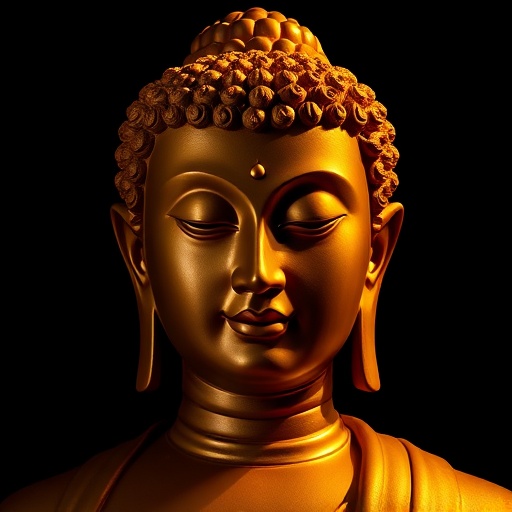
Siddhartha Gautama (Buddha) — "All experiences are preceded by mind, led by mind, made by mind."
All experiences are preceded by mind, led by mind, made by mind.
All experiences are preceded by mind, led by mind, made by mind.
Click any product to generate a realistic preview. Up to 3 at a time.
* Initial load can take up to 90 seconds — revising the preview in another color is nearly instant.
"Should a seeker not find a friend, wiser or better than himself, let him rather walk alone; there is no fellowship with fools."
"One who drinks deeply of the Dharma with a clear and open mind, rests well."
"The pleasant and the unpleasant, the agreeable and the disagreeable, are not in things themselves, but in us."
"It is a man's own mind, not his enemy or foe, that lures him to evil ways."
"Three things can not hide for long: the Moon, the Sun, and the Truth."
From the Dhammapada (Verse 1), a teaching on the primacy of mind
Date: c. 5th-6th Century BCE
PhilosophicalFound in 1 providers: gemini
1 source checked
Everything you experience begins in your mind. Your thoughts shape how you perceive reality, how you react to events, and ultimately what your life feels like. Before any action, emotion, or outcome, there is a mental state that sets the trajectory. Change your thinking and you change your experience. The external world matters less than the internal lens through which you filter it, because that lens determines meaning.
This opens the Dhammapada, the most quoted Buddhist text, and captures the core of Siddhartha Gautama's teaching after his awakening under the Bodhi tree. Having abandoned princely luxury and extreme asceticism, he concluded suffering originates not in circumstance but in craving and mental habit. His Noble Eightfold Path begins with Right View and Right Intention, placing disciplined mind training, not ritual or deity worship, at the center of liberation from suffering.
In 5th-century BCE northern India, the dominant Vedic Brahmanism taught that salvation came through caste-bound rituals, animal sacrifice, and priestly mediation. Siddhartha's claim that mind, not birth or ceremony, determined one's fate was radical. It paralleled other shramana movements, including Jainism, challenging Brahmin authority. Shifting responsibility inward, available to anyone regardless of caste or gender, made Buddhism portable across cultures and fueled its spread along trade routes throughout Asia.
AI-generated insights based on extensive research and information for context. Factual errors? Email [email protected].
Your cart is empty