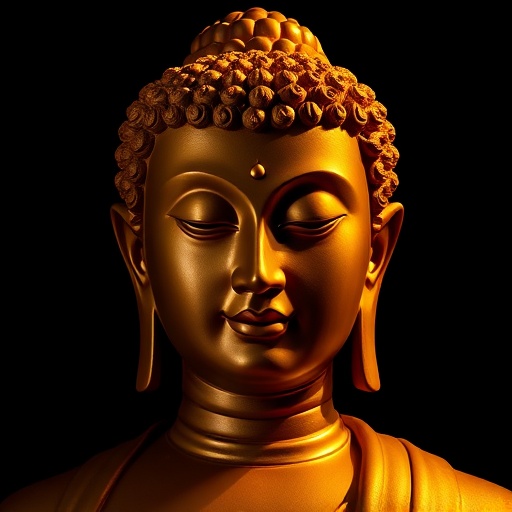
Siddhartha Gautama (Buddha) — "You yourself, as much as anybody in the entire universe, deserve your love and a…"
You yourself, as much as anybody in the entire universe, deserve your love and affection.
You yourself, as much as anybody in the entire universe, deserve your love and affection.
Click any product to generate a realistic preview. Up to 3 at a time.
* Initial load can take up to 90 seconds — revising the preview in another color is nearly instant.
"Even as a solid rock is not shaken by the wind, so are the wise unshaken by praise or blame."
"Just as a bee, without harming the flower, its color or its fragrance, takes a little nectar and flies away, so too should the sage wander in a village."
"Happiness does not depend on what you have or who you are. It solely relies on how you think."
"Monks, I will teach you the all. Listen and pay close attention. I will speak. And what is the all? The eye and forms, ear and sounds, nose and odors, tongue and tastes, body and tactile sensations, i…"
"The root of suffering is attachment."
Attributed, often cited in various Buddhist texts and teachings.
Date: c. 5th century BCE
Love & RelationshipsFound in 1 providers: grok
1 source checked
Self-love is not selfish but essential. You are just as worthy of your own kindness, care, and compassion as any other person. Many people extend patience and warmth to friends, family, even strangers, while treating themselves with harsh criticism. This saying flips that pattern, insisting that directing affection inward is a legitimate and necessary part of being human. You belong on your own list of people deserving care.
The Buddha taught metta, or loving-kindness, as a meditation practice that begins with oneself before radiating outward to others. Having abandoned luxury as a prince and then extreme asceticism that nearly killed him, he discovered the Middle Way, which rejects self-punishment. His teachings on compassion consistently include the self, because a mind tormenting itself cannot free others from suffering. Self-regard was foundational, not incidental, to his path.
In 5th-6th century BCE northern India, spiritual seekers commonly pursued severe self-mortification, fasting, and bodily denial to achieve liberation. Brahminical caste rules also determined who deserved respect, often excluding lower castes entirely. The Buddha's message that every person, regardless of birth, inherently deserves kindness, including from themselves, challenged both the ascetic extremism of wandering samanas and the hierarchical worth assigned by Vedic society during the Shramana movement's rise.
AI-generated insights based on extensive research and information for context. Factual errors? Email [email protected].
Your cart is empty