What it means
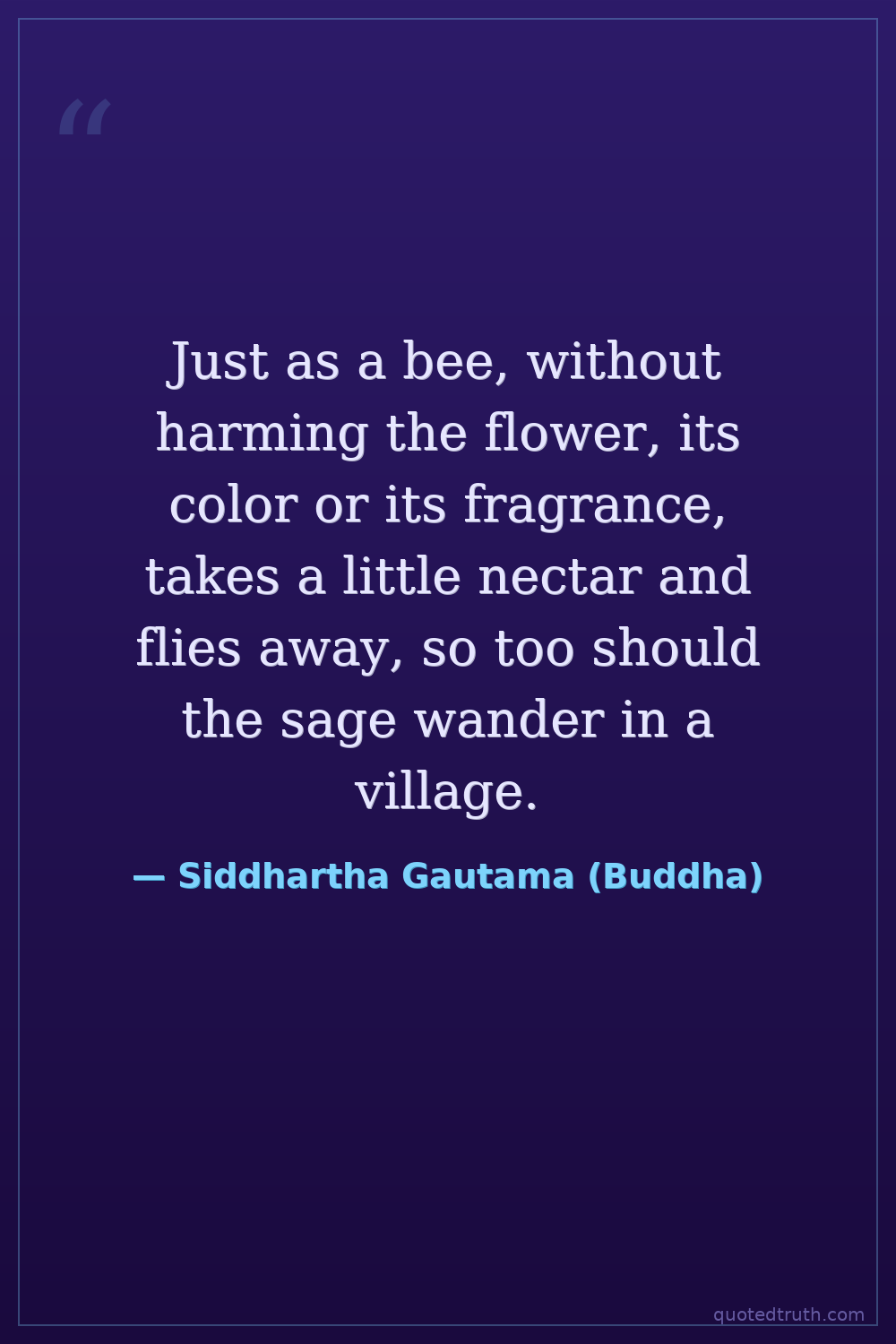
Move through the world lightly. Take only what you need to sustain yourself, and leave people and places undiminished by your presence. A wise person doesn't exploit, deplete, or burden the communities they pass through. They accept modest support, cause no damage to the source, and continue on their way. The image contrasts sharply with taking too much, overstaying, or leaving harm behind.
Relevance to Siddhartha Gautama (Buddha)
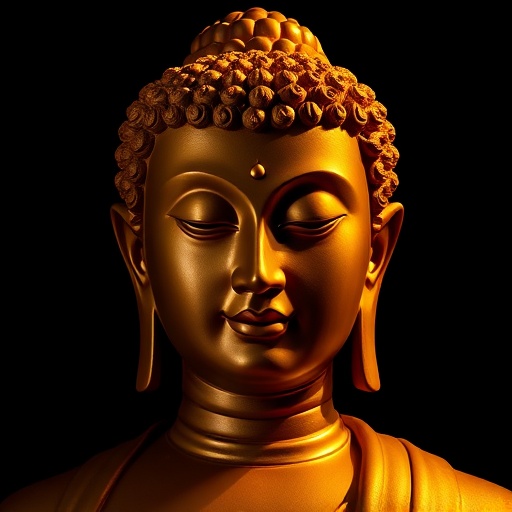
The Buddha literally lived this. After renouncing his royal inheritance, he spent forty-five years as a wandering mendicant, walking village to village with a begging bowl. Monks were forbidden from demanding food, storing wealth, or burdening any single household. The bee simile comes from the Dhammapada and encoded the core rule of his monastic order: sustain the body minimally so the mind stays free for liberation, and never let the sangha become a parasite on lay supporters.
The era
In 5th-century BCE northern India, wandering ascetics, or sramanas, were multiplying as the old Vedic ritual order lost its grip. Rival groups, Jains, Ajivikas, and Brahmin renunciants, competed for alms from villagers in the Ganges plain. Some demanded elaborate offerings or cursed stingy households. The Buddha's light-touch begging ethic was a deliberate reform: it let his growing sangha coexist peacefully with farmers and merchants whose surplus fed the spiritual economy.
AI-generated insights based on extensive research and information for context. Factual errors? Email [email protected].