What it means
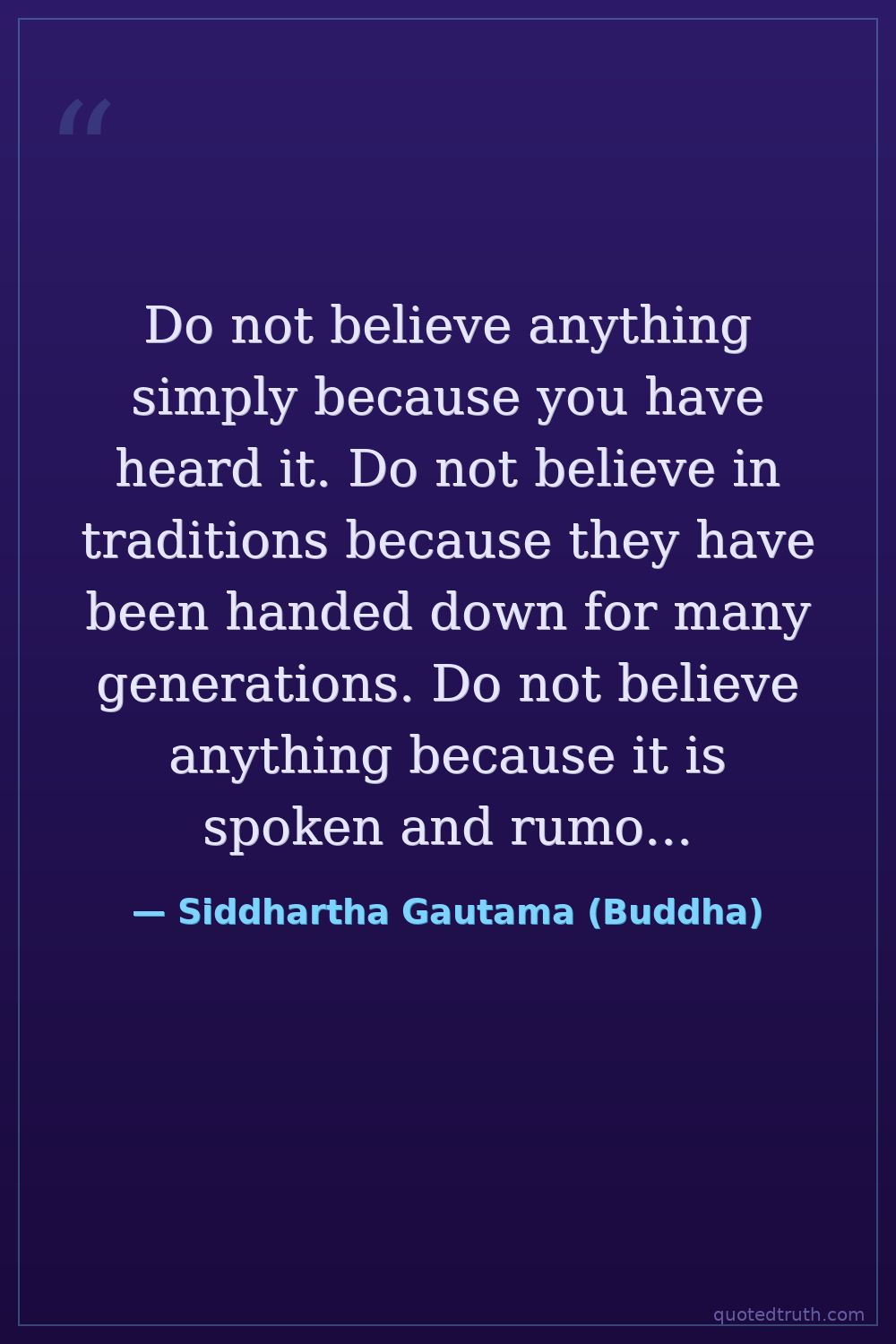
Don't accept a claim just because it comes from tradition, popular opinion, sacred texts, or respected authorities. Test every idea against your own careful observation and reasoning. Ask whether it actually holds up to scrutiny and whether acting on it genuinely helps people. Only then should you adopt it and live by it. Belief should be earned through evidence and ethical outcomes, not inherited, assumed, or borrowed from someone else's certainty.
Relevance to Siddhartha Gautama (Buddha)
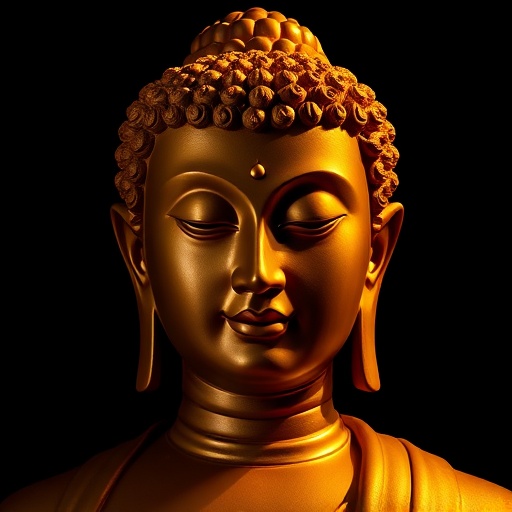
The Buddha abandoned his royal inheritance and tested rival teachers and extreme asceticism before rejecting both and finding his own middle path under the Bodhi tree. This passage, echoing the Kalama Sutta he delivered to villagers unsure which wandering teacher to trust, mirrors his own method: direct experience over dogma. It captures why his teaching spread as a practice of inquiry rather than a revealed creed demanding obedience.
The era
In 5th-century BCE northern India, Vedic priests claimed exclusive authority through memorized scripture and caste-bound ritual, while dozens of competing Sramana teachers wandered the Ganges plain offering rival paths. Ordinary people had no way to judge between them. By telling the Kalama clan to trust verified experience over lineage, text, or teacher-status, the Buddha challenged Brahmanical authority and the entire culture of inherited religious truth during a period of unusual philosophical ferment.
AI-generated insights based on extensive research and information for context. Factual errors? Email [email protected].