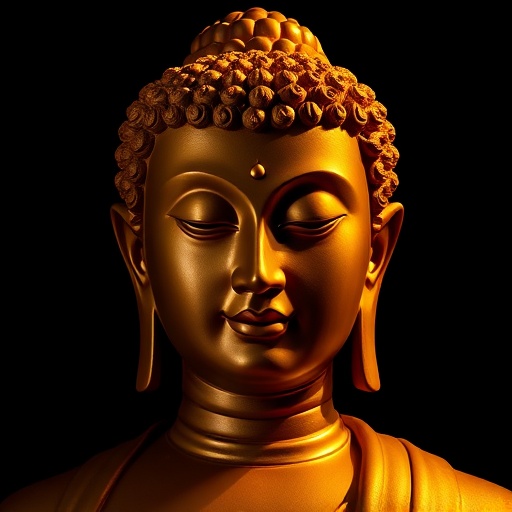
Siddhartha Gautama (Buddha) — "One day you will realize that a mind that is always peaceful and content is the …"
One day you will realize that a mind that is always peaceful and content is the greatest wealth that you can ever possess.
One day you will realize that a mind that is always peaceful and content is the greatest wealth that you can ever possess.
Click any product to generate a realistic preview. Up to 3 at a time.
* Initial load can take up to 90 seconds — revising the preview in another color is nearly instant.
"Do not believe anything simply because you have heard it. Do not believe in traditions because they have been handed down for many generations. Do not believe anything because it is spoken and rumored…"
"Do not overrate what you have received, nor envy others. He who envies others does not obtain peace of mind."
"The greatest gift is to give people your enlightenment, to share it. It has to be the greatest."
"Your worst enemy cannot harm you as much as your own unguarded thoughts."
"If you meet the Buddha on the road, kill him."
Attributed, often cited in various Buddhist texts and teachings.
Date: c. 5th century BCE
Money & BusinessFound in 1 providers: grok
1 source checked
True richness is not measured by money, possessions, or status but by the steady calm of your own mind. Chasing external things leaves you restless, because no amount is ever enough. When you train yourself to stay peaceful and satisfied with what is, nothing outside can shake you or be taken from you. That inner stability becomes a resource you carry everywhere, outlasting every fortune you could build or lose.
Siddhartha was born a prince surrounded by palaces, servants, and guaranteed luxury, yet he walked away from all of it after seeing sickness, old age, and death. His entire awakening rested on the insight that craving, not lack, causes suffering, and that a disciplined, contented mind ends it. Teaching that mental peace outweighs material wealth is literally the foundation of the path he spent forty-five years sharing across northern India.
In 5th-century BCE northern India, kings were expanding kingdoms like Magadha through conquest, wealth, and elaborate Vedic rituals performed by a powerful Brahmin priesthood. Society ran on caste, sacrifice, and accumulation. At the same time, wandering ascetics were rejecting that system, seeking liberation through extreme self-denial. Buddha's middle-way message that contentment beats both royal luxury and harsh asceticism directly challenged the era's twin assumptions that either ritual wealth or bodily punishment was the road to freedom.
AI-generated insights based on extensive research and information for context. Factual errors? Email [email protected].
Your cart is empty