Siddhartha Gautama (Buddha) — "If you meet the Buddha on the road, kill him."
If you meet the Buddha on the road, kill him.
If you meet the Buddha on the road, kill him.
Click any product to generate a realistic preview. Up to 3 at a time.
* Initial load can take up to 90 seconds — revising the preview in another color is nearly instant.
"Whatever a foe may do to a foe, or a hater to a hater, a wrongly directed mind will do us greater mischief."
"Beware of your thoughts; they become words. Beware of your words; they become actions. Beware of your actions; they become habits. Beware of your habits; they become character. Beware of your characte…"
"Nothing can harm you as much as your own thoughts unguarded."
"Just as a mother would protect her only child with her life, even so let one cultivate a boundless love towards all beings."
"However many holy words you read, however many you speak, what good will they do you if you do not act on upon them?"
Zen koan (attributed to Buddha in later teachings, likely metaphorical)
Date: 5th century BCE (later interpretation)
WisdomFound in 1 providers: deepseek
1 source checked
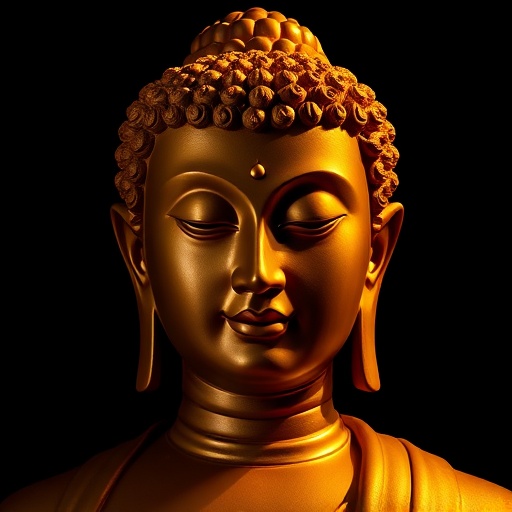
Do not cling to external authorities or idealized images, even sacred ones, as shortcuts to truth. If you think you have found a perfect teacher or a finished answer outside yourself, that very attachment becomes a trap. Genuine insight cannot be borrowed from another person or handed over as a finished object. You must dismantle every idol, including the most revered, and realize understanding through your own direct experience rather than worship.
Though popularized later by the Zen master Linji, the line distills the Buddha's own teaching. Siddhartha left royal comfort, rejected famous gurus whose methods failed him, and urged followers to be lamps unto themselves, testing doctrines rather than accepting them on authority. He refused worship, named himself only as awakened, and warned against grasping. Killing the roadside Buddha enacts his insistence that liberation is inward realization, not devotion to a teacher's form.
In ancient northern India around the sixth to fifth century BCE, spiritual life was dominated by Brahmin priests, ritual sacrifice, caste authority, and competing wandering ascetics promising salvation through gurus, mantras, or austerities. Siddhartha emerged amid this crowded marketplace of saviors, challenging its reliance on external mediators and hereditary privilege. His message that awakening depends on personal insight, not priestly ceremony or charismatic masters, was radical in a culture built around venerated teachers.
AI-generated insights based on extensive research and information for context. Factual errors? Email [email protected].
Your cart is empty