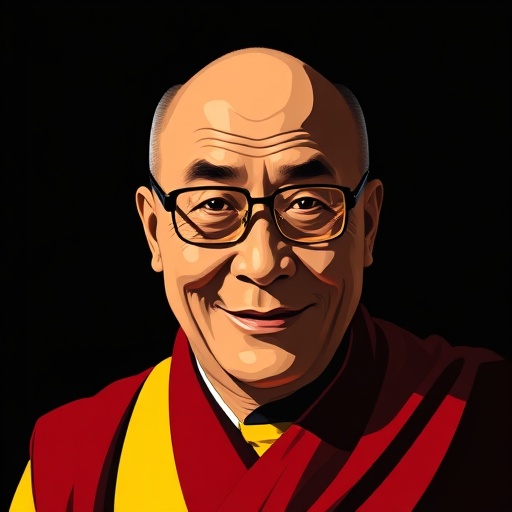
Dalai Lama (14th) — "Sometimes one creates a dynamic impression by saying something, and sometimes on…"
Sometimes one creates a dynamic impression by saying something, and sometimes one creates as significant an impression by remaining silent.
Sometimes one creates a dynamic impression by saying something, and sometimes one creates as significant an impression by remaining silent.
Click any product to generate a realistic preview. Up to 3 at a time.
* Initial load can take up to 90 seconds — revising the preview in another color is nearly instant.
"We need to educate people about the importance of inner values."
"I am just a human being, a simple Buddhist monk."
"I consider myself a son of India."
"I always say that I am a student of Shantideva. That's my main guru."
"If a new Dalai Lama comes, that female must be attractive. Otherwise, not much use."
Found in 1 providers: deepseek
1 source checked
Communication isn't just about words. Choosing to speak can make a powerful statement, but so can choosing silence. Both are active decisions that shape how others perceive a situation. Silence isn't absence—it's presence without noise. It can signal dignity, disagreement, wisdom, or patience. The real skill isn't knowing what to say but knowing when saying nothing conveys more power, clarity, or meaning than any words could.
Tenzin Gyatso has navigated exile since China's 1959 occupation of Tibet, requiring careful judgment about when to speak out and when silence serves better diplomatically. As a Buddhist spiritual leader, he draws from traditions that revere Noble Silence and deep meditation. He is known for long, deliberate pauses before answering interview questions, treating silence as active reflection. His 1989 Nobel Peace Prize recognized that his restraint—not just his words—built his enduring moral authority.
The contemporary era is defined by relentless noise—social media feeds, 24-hour news cycles, politicians broadcasting through every crisis, and cultural pressure to respond instantly to everything. In this environment, strategic silence has become rare and therefore more powerful. The Dalai Lama's lifelong role as a peaceful counterpoint to Chinese Communist Party rhetoric, navigating global media scrutiny since the 1950s, makes his deliberate balance of speech and silence a widely studied model of communication.
AI-generated insights based on extensive research and information for context. Factual errors? Email [email protected].
Your cart is empty