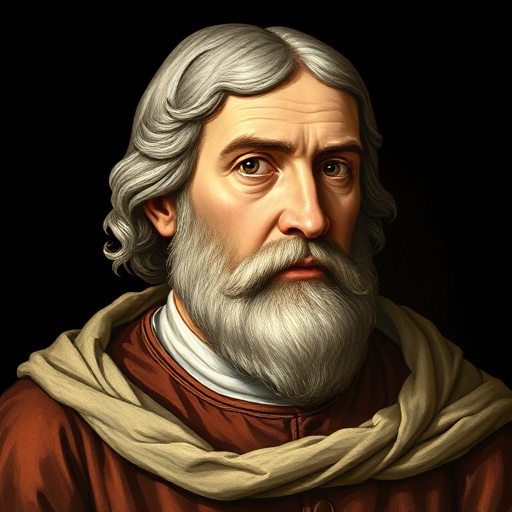
Thomas Aquinas — "The end of government is the common good."
The end of government is the common good.
The end of government is the common good.
Click any product to generate a realistic preview. Up to 3 at a time.
* Initial load can take up to 90 seconds — revising the preview in another color is nearly instant.
"The purpose of marriage is the procreation of children."
"It is a greater sin to steal from a rich man than from a poor man."
"The sin against nature is the most grievous of sins."
"The proper act of justice is to render to each one what is his own."
"It is not lawful to lie in order to save anyone from death."
Found in 1 providers: grok
1 source checked
Government exists to benefit everyone in society, not to serve rulers or powerful elites. A legitimate state directs its power toward shared prosperity, justice, and the welfare of all people it governs. When leaders pursue personal gain or factional interests instead of collective benefit, they corrupt the very purpose of political authority. Power is only justified when it genuinely serves the common people.
Aquinas, a Dominican friar and scholastic theologian, built his entire political philosophy on natural law and divine order. In his Summa Theologica and De Regno, he argued that rulers derive legitimacy not from conquest or bloodline alone but from serving the people God entrusted to them. His belief that reason and faith align meant that just governance was a moral and spiritual obligation, not merely a practical one.
Medieval Europe was defined by feudalism, where lords extracted wealth from serfs and kings battled popes over authority. The Magna Carta (1215) had just forced barons' rights onto English kings, signaling that rulers had obligations to subjects. Italian city-states were experimenting with civic governance. Aquinas wrote amid these tensions, asserting that political power required moral justification—a provocative challenge to rulers who claimed authority solely by divine appointment or conquest.
AI-generated insights based on extensive research and information for context. Factual errors? Email [email protected].
Your cart is empty