Benjamin Franklin — "If you would not be forgotten, as soon as you are dead and rotten, either write …"
If you would not be forgotten, as soon as you are dead and rotten, either write things worth reading, or do things worth the writing.
If you would not be forgotten, as soon as you are dead and rotten, either write things worth reading, or do things worth the writing.
Click any product to generate a realistic preview. Up to 3 at a time.
* Initial load can take up to 90 seconds — revising the preview in another color is nearly instant.
"An old young man will be a young old man."
"Industry need not wish, and he that lives upon hopes will die fasting."
"Industry and frugality are the means of procuring wealth."
"Justice will not be served until those who are unaffected are as outraged as those who are."
"Don't throw stones at your neighbors, if your own windows are glass."
Polymath Founding Father, diplomat, and Poor Richard's Almanack author who helped draft the Declaration of Independence and the Constitution. Closely associated with John Adams (fellow Founder, Massachusetts statesman) and Thomas Jefferson (fellow Declaration drafter). For an intellectual contrast, see Thomas Hutchinson, last royal governor of colonial Massachusetts — Franklin leaked Hutchinson's loyalist correspondence to Boston in 1772 to inflame revolutionary sentiment — Hutchinson represented the colonial-aristocrat crown-loyalty that Franklin's revolution was organized to dismantle.
Found in 3 providers: deepseek,gemini,grok
3 sources checked
If you want to be remembered after death, there are two paths: produce work of lasting intellectual or creative value, or live a life of meaningful action significant enough that others document it. Passive, unremarkable existence guarantees oblivion. Legacy is not inherited or assumed — it is earned through deliberate output or consequential deeds. The standard is blunt: your work must be worth reading, or your life worth someone else writing about.
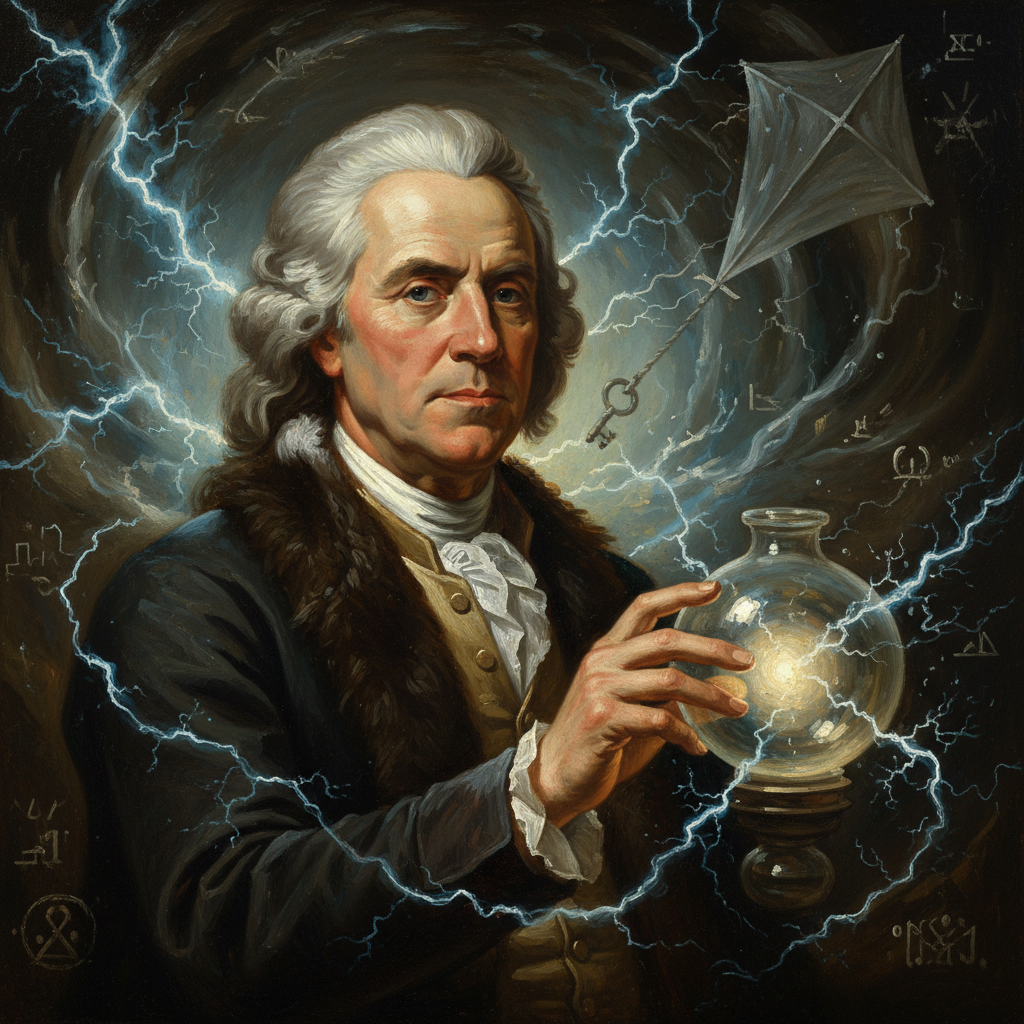
Franklin embodied both halves of his own maxim. He wrote prolifically — Poor Richard's Almanack, his Autobiography, and political pamphlets remain widely read today. He also performed deeds worth documenting: the kite-and-key electricity experiment, negotiating the French alliance that saved the Revolution, and helping draft the Declaration of Independence and Constitution. Franklin deliberately cultivated his public reputation from Boston printer to America's most celebrated statesman, acutely conscious of how posterity would judge him.
Franklin lived in 18th-century colonial America, when printed books and pamphlets were the sole vehicles of lasting fame. Before photography or recording technology, only written records preserved memory beyond a generation. The Enlightenment elevated rational achievement and civic virtue as secular paths to immortality, competing with religious notions of the afterlife. Life expectancy was short, paper costly, and only genuinely significant work or consequential action earned the ink needed to survive in public memory.
AI-generated insights based on extensive research and information for context. Factual errors? Email [email protected].
Your cart is empty