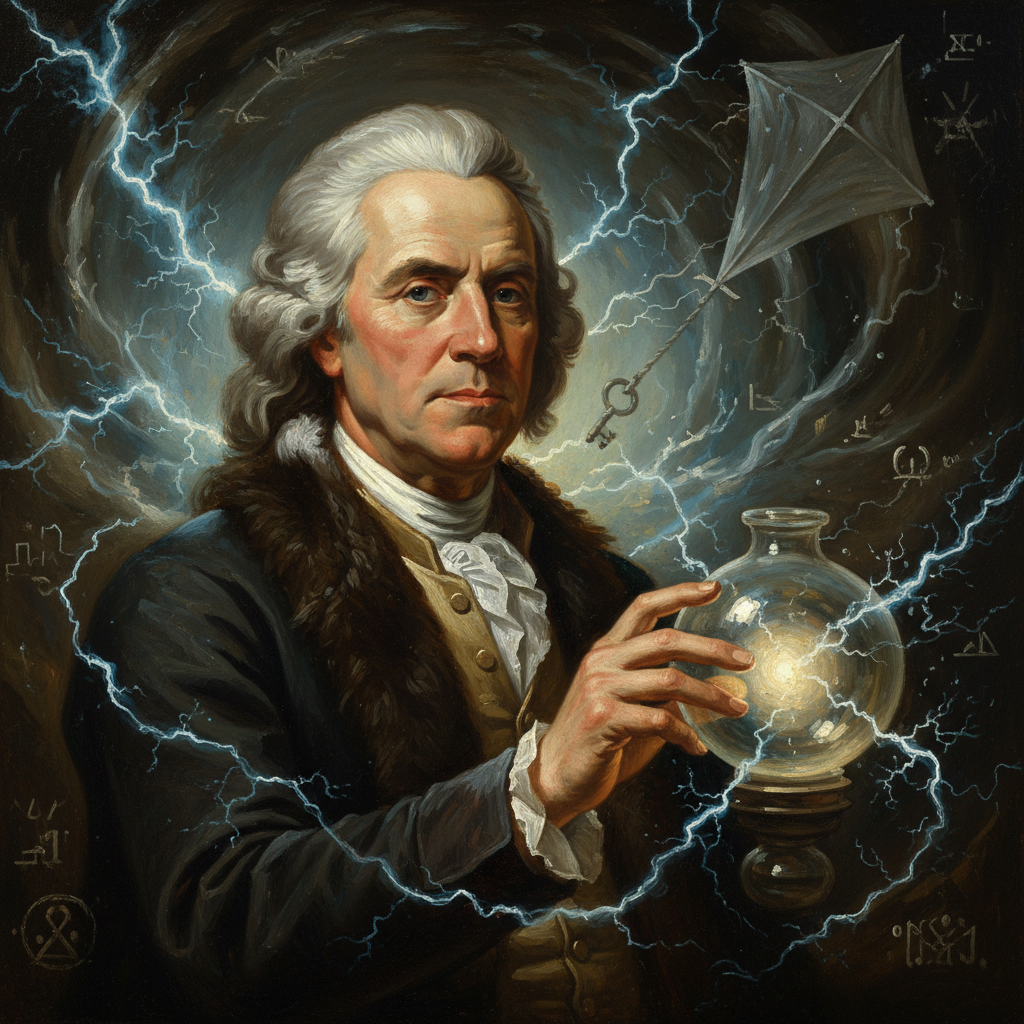
Benjamin Franklin — "He that falls in love with himself will have no rivals."
He that falls in love with himself will have no rivals.
He that falls in love with himself will have no rivals.
Click any product to generate a realistic preview. Up to 3 at a time.
* Initial load can take up to 90 seconds — revising the preview in another color is nearly instant.
"The borrower is servant to the lender and the debtor to the creditor."
"Tell me and I forget, teach me and I may remember, involve me and I learn."
"Fish and visitors stink after three days."
"He that has a wife and children, has given hostages to fortune."
"He that speaks much is much mistaken."
Polymath Founding Father, diplomat, and Poor Richard's Almanack author who helped draft the Declaration of Independence and the Constitution. Closely associated with John Adams (fellow Founder, Massachusetts statesman) and Thomas Jefferson (fellow Declaration drafter). For an intellectual contrast, see Thomas Hutchinson, last royal governor of colonial Massachusetts — Franklin leaked Hutchinson's loyalist correspondence to Boston in 1772 to inflame revolutionary sentiment — Hutchinson represented the colonial-aristocrat crown-loyalty that Franklin's revolution was organized to dismantle.
Found in 2 providers: grok,deepseek
2 sources checked
Excessive self-admiration leaves a person completely alone. When someone is consumed by their own ego, they become uninteresting to others, drive away connection, and end up without competitors—not because they've won anything, but because no one cares to engage. The irony is sharp: the self-lover wins by default, yet the prize is isolation. It warns that vanity is not strength but a slow, self-inflicted loneliness.
Franklin listed humility among his 13 virtues, admitting it was the hardest to master. He founded the Library Company, American Philosophical Society, and a volunteer fire brigade—institutions demanding collaboration over self-promotion. His diplomatic success in France relied on charm and listening, not ego. He published Poor Richard's Almanack under a pseudonym, deflecting personal glory. Franklin understood that social capital, not self-regard, was the true engine of achievement.
Franklin wrote during the 18th-century Enlightenment, when thinkers argued civic virtue—service to the common good—was the highest calling. Protestant ethics condemned pride as a cardinal sin. American colonial survival depended on mutual aid; individual vanity endangered the whole community. The emerging republic demanded citizens subordinate personal glory to shared democratic ideals, making self-obsession not merely unattractive but a fundamental civic failure with real consequences.
AI-generated insights based on extensive research and information for context. Factual errors? Email [email protected].
Your cart is empty