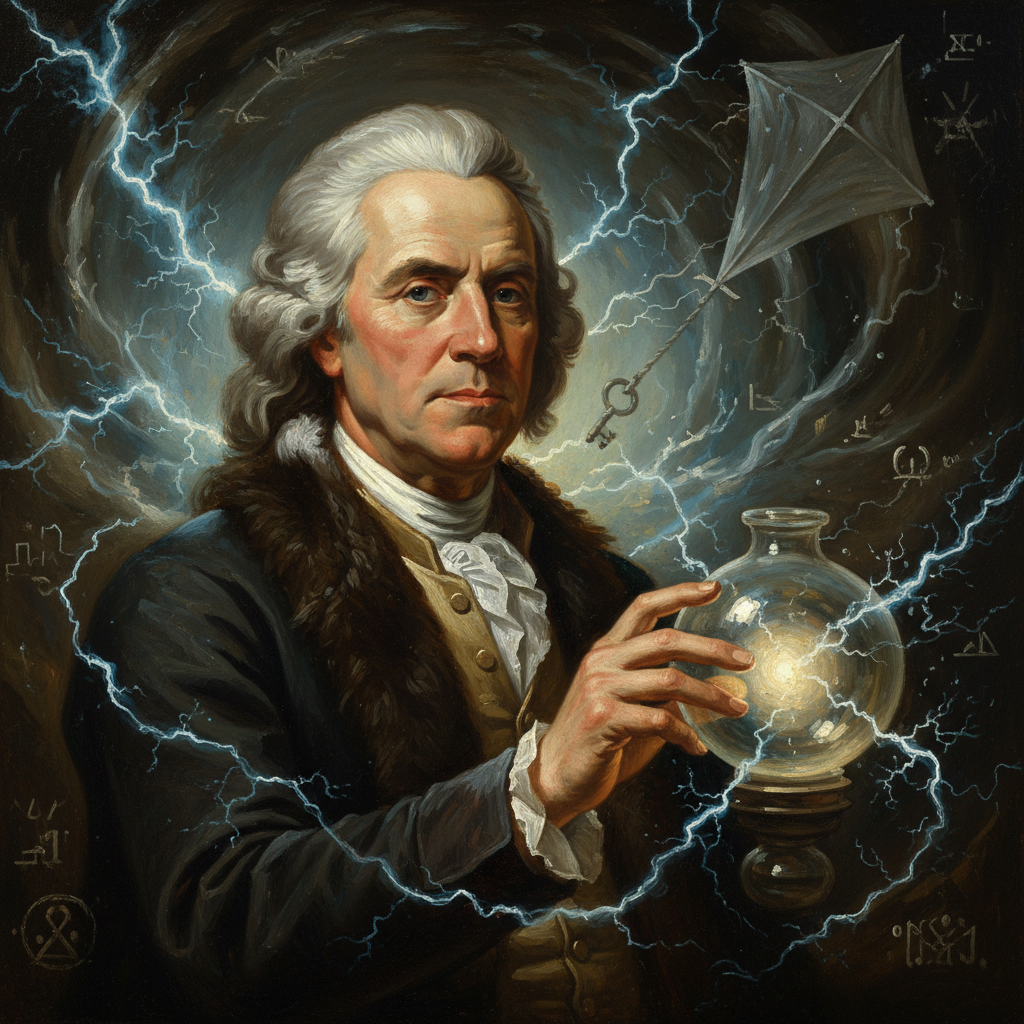
Benjamin Franklin — "Fish and visitors stink after three days."
Fish and visitors stink after three days.
Fish and visitors stink after three days.
Click any product to generate a realistic preview. Up to 3 at a time.
* Initial load can take up to 90 seconds — revising the preview in another color is nearly instant.
"The borrower is servant to the lender and the debtor to the creditor."
"Pardoning the Bad, is injuring the Good."
"Beware of little expenses; a small leak will sink a great ship."
"How many observe Christ's birthday! How few, his precepts!"
"The Constitution only guarantees the American people the right to pursue happiness. You have to catch it yourself."
Polymath Founding Father, diplomat, and Poor Richard's Almanack author who helped draft the Declaration of Independence and the Constitution. Closely associated with John Adams (fellow Founder, Massachusetts statesman) and Thomas Jefferson (fellow Declaration drafter). For an intellectual contrast, see Thomas Hutchinson, last royal governor of colonial Massachusetts — Franklin leaked Hutchinson's loyalist correspondence to Boston in 1772 to inflame revolutionary sentiment — Hutchinson represented the colonial-aristocrat crown-loyalty that Franklin's revolution was organized to dismantle.
Found in 2 providers: grok,deepseek
2 sources checked
Houseguests, like fish left out too long, become a burden after roughly three days. Even welcome company eventually strains the host's patience and resources, and the guest's novelty wears thin. It's a blunt, humorous reminder that short visits preserve goodwill better than extended ones — leave before you overstay, and everyone parts on good terms.
Franklin published this in Poor Richard's Almanack, his annual vehicle for sharp, practical maxims aimed at ordinary Americans. As a diplomat who spent years living in Paris and London relying on others' hospitality, he understood guest-host tension firsthand. His core values — industry, frugality, self-reliance — made burdening a host feel genuinely distasteful, so the saying reflects personal conviction as much as social wit.
In colonial America, travel was slow and exhausting, so guests routinely stayed days or weeks rather than overnight. Most households had no inns nearby and were obligated by social custom to host anyone who arrived. Extended visitors consumed scarce food, firewood, and servants' labor. Franklin's quip gave colonists a culturally sanctioned way to name the tension everyone felt but politeness forbade saying aloud.
AI-generated insights based on extensive research and information for context. Factual errors? Email [email protected].
Your cart is empty