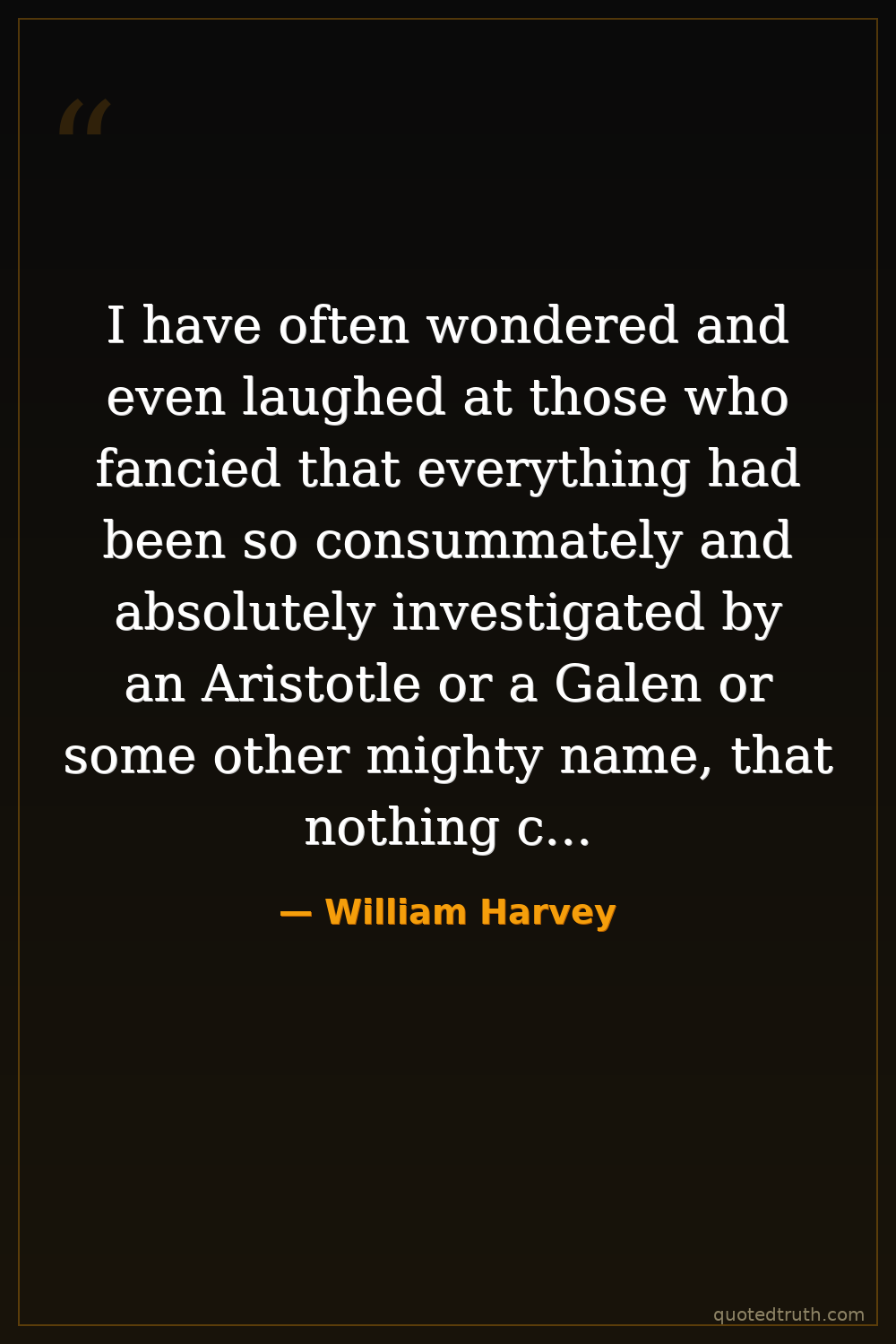
William Harvey — "I have often wondered and even laughed at those who fancied that everything had …"

I have often wondered and even laughed at those who fancied that everything had been so consummately and absolutely investigated by an Aristotle or a Galen or some other mighty name, that nothing could by any possibility be added to their knowledge.
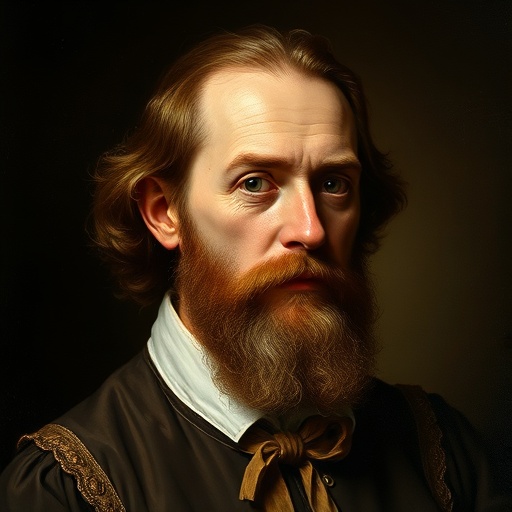
William Harvey — William Harvey Early Modern · Blood circulation

Get This Quote & Author's Image Illustrated On:

Click any product to generate a realistic preview. Up to 3 at a time.
* Initial load can take up to 90 seconds — revising the preview in another color is nearly instant.

Kitchen

Apparel

Other

About William Harvey (1578-1657)

English physician whose On the Motion of the Heart and Blood in Animals (1628) demonstrated blood circulation, overturning 1,400 years of Galenic medicine. Closely associated with Francis Bacon (his contemporary in the new English empiricism). For an intellectual contrast, see Galenic medicine, the 2nd-century Greek medical tradition (humors, blood-as-consumed-fuel) — Harvey calculated that the heart pumps more blood per hour than the body could possibly produce as fuel — a single quantitative observation that demolished the entire Galenic-Aristotelian medical worldview. The cleanest example in medical history of arithmetic disproving 14 centuries of authority.

Details

From his writings, criticizing the dogmatic adherence to ancient authorities in medicine and science.

Date: Undetermined, likely early 17th Century

Shocking

Verification

Unverifiable

Found in 1 providers: gemini

1 source checked

Understanding this quote

What it means

Harvey mocks those who treat ancient thinkers as having settled all questions forever. He argues that however brilliant Aristotle or Galen were, no human mind exhausts all knowledge. Discovery requires doubting received wisdom and trusting observation over authority. The quote defends an empirical, open-ended approach to understanding the world — where every conclusion is provisional and curiosity should override reverence for famous names.

Relevance to William Harvey

Harvey's entire career was built on overturning Galen's 1,400-year-old model of blood production and consumption. His 1628 publication proving blood circulates continuously through the heart required him to reject Galenic doctrine that university-trained physicians still treated as gospel. He used animal dissections and quantitative reasoning to prove the old framework wrong — making this quote autobiographical: he was the living proof that mighty names could be surpassed.

The era

In Harvey's era, European universities taught medicine almost exclusively from Galen and Aristotle, treating their texts as nearly scriptural. The Scientific Revolution was fracturing this — Vesalius had already challenged Galen's anatomy in 1543, Galileo was rewriting physics. Yet professional medicine remained deeply conservative, and contradicting Galen risked ridicule or censure. Harvey's mockery of intellectual deference was culturally bold: it aligned with a new experimental philosophy that valued observation over inherited authority.

AI-generated insights based on extensive research and information for context. Factual errors? Email [email protected].
Your Cart

Your cart is empty