What it means
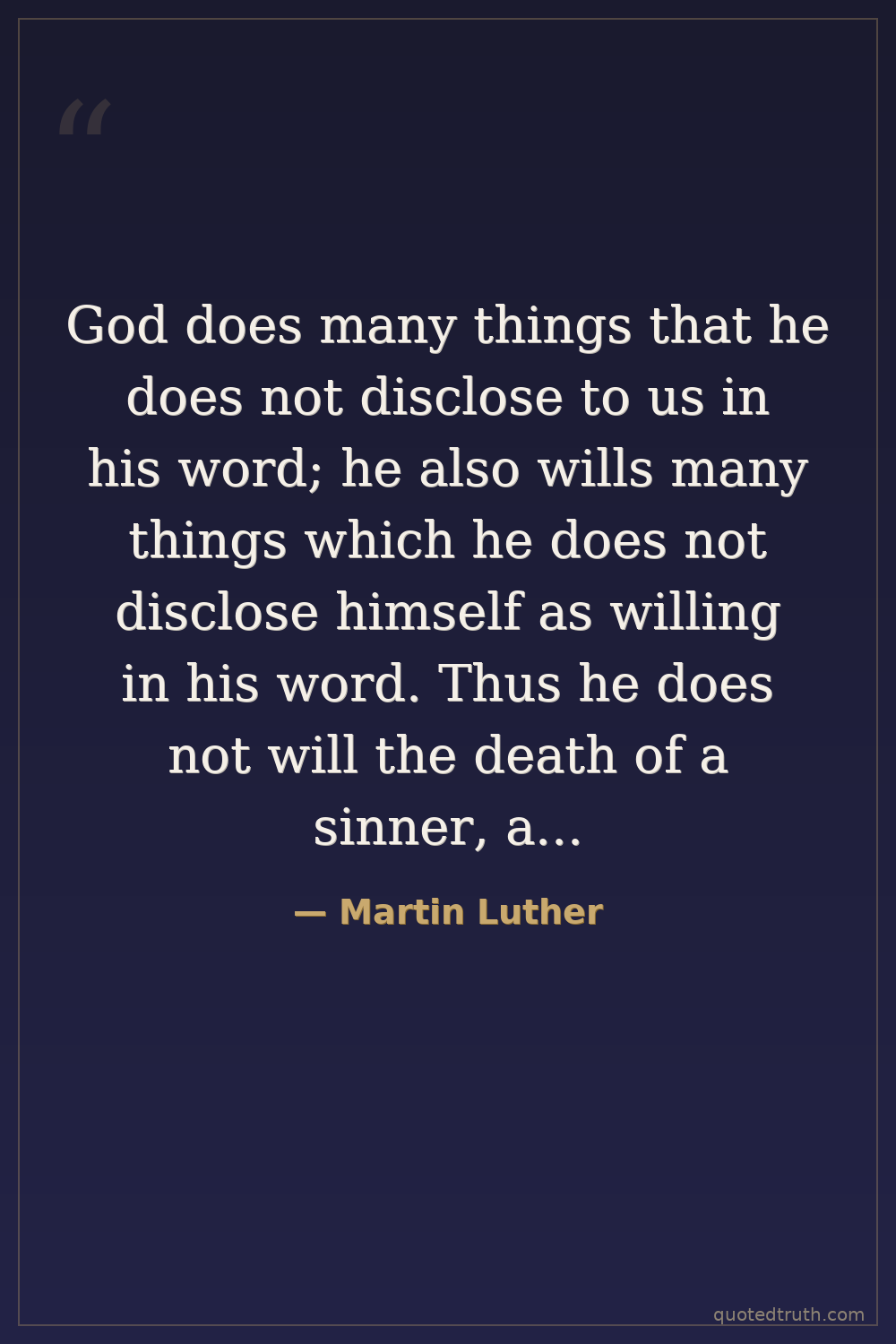
God operates on two levels: what he openly tells us through scripture, and what he secretly decides behind the scenes. Publicly, God says he wants every sinner to turn and live. Privately, through his hidden purposes, he allows or even ordains their destruction. We cannot reconcile these; we must accept that God's revealed word and his mysterious sovereign decisions do not always match what our logic expects.
Relevance to Martin Luther
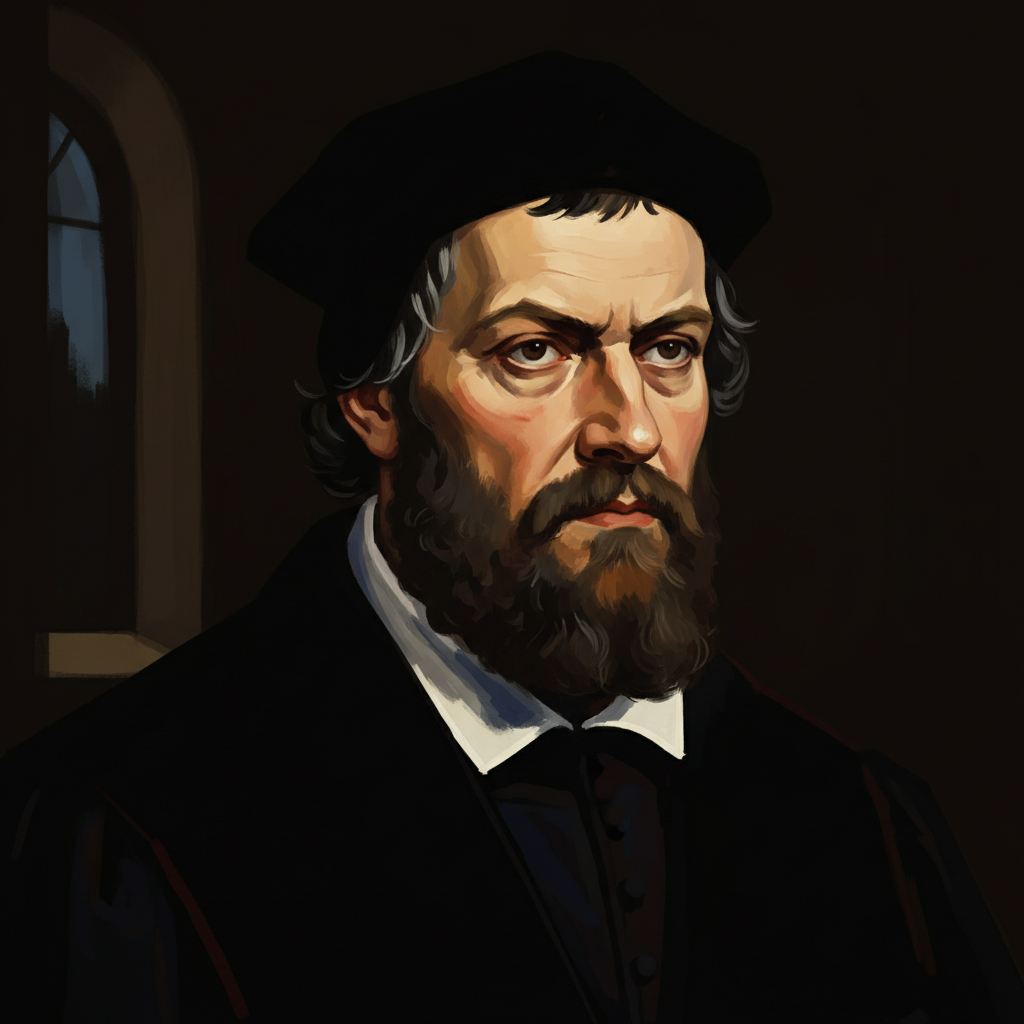
Luther wrestled constantly with a hidden versus revealed God, a tension central to his theology. As an Augustinian monk tormented by questions of salvation and predestination, he clashed with Erasmus precisely on this point in Bondage of the Will (1525). Luther insisted human reason cannot pierce God's secret will; faith clings only to scripture. This humility before divine mystery shaped his entire reforming project and his rejection of scholastic speculation.
The era
In early modern Europe, the Reformation shattered medieval Catholic certainty about salvation through sacraments, indulgences, and church authority. Printing presses spread theological debate to laypeople for the first time. Luther wrote amid fierce arguments with Erasmus, Zwingli, and Rome over free will, predestination, and biblical authority. Plague, peasant revolts, and religious wars made questions about God's justice and hidden purposes urgent existential matters, not academic exercises.
AI-generated insights based on extensive research and information for context. Factual errors? Email [email protected].