Martin Luther — "If you are a preacher of grace, then preach a true and not a fictitious grace; i…"
If you are a preacher of grace, then preach a true and not a fictitious grace; if grace is true, you must bear a true and not a fictitious sin.
If you are a preacher of grace, then preach a true and not a fictitious grace; if grace is true, you must bear a true and not a fictitious sin.
Click any product to generate a realistic preview. Up to 3 at a time.
* Initial load can take up to 90 seconds — revising the preview in another color is nearly instant.
"The very devil himself would thank you for such an event, and no one but the miserable devil and his devilish scum."
"you popes are desperate thorough arch rascals murderers traitors liars the very scum this is number 10 of all the most evil people on earth you're full of all the worst devils in hell full full and so…"
"I resist the devil, and often it is with a fart that I chase him away. When he tempts me with silly sins I say, 'Devil, yesterday I broke wind too. Have you written it down on your list?'"
"Those who despise these, or treat them with contempt, are worthy of purchasing, adoring, and praising the pope's excrement as balsam."
"The world is a great book, of which they who never stir from home read only one page."
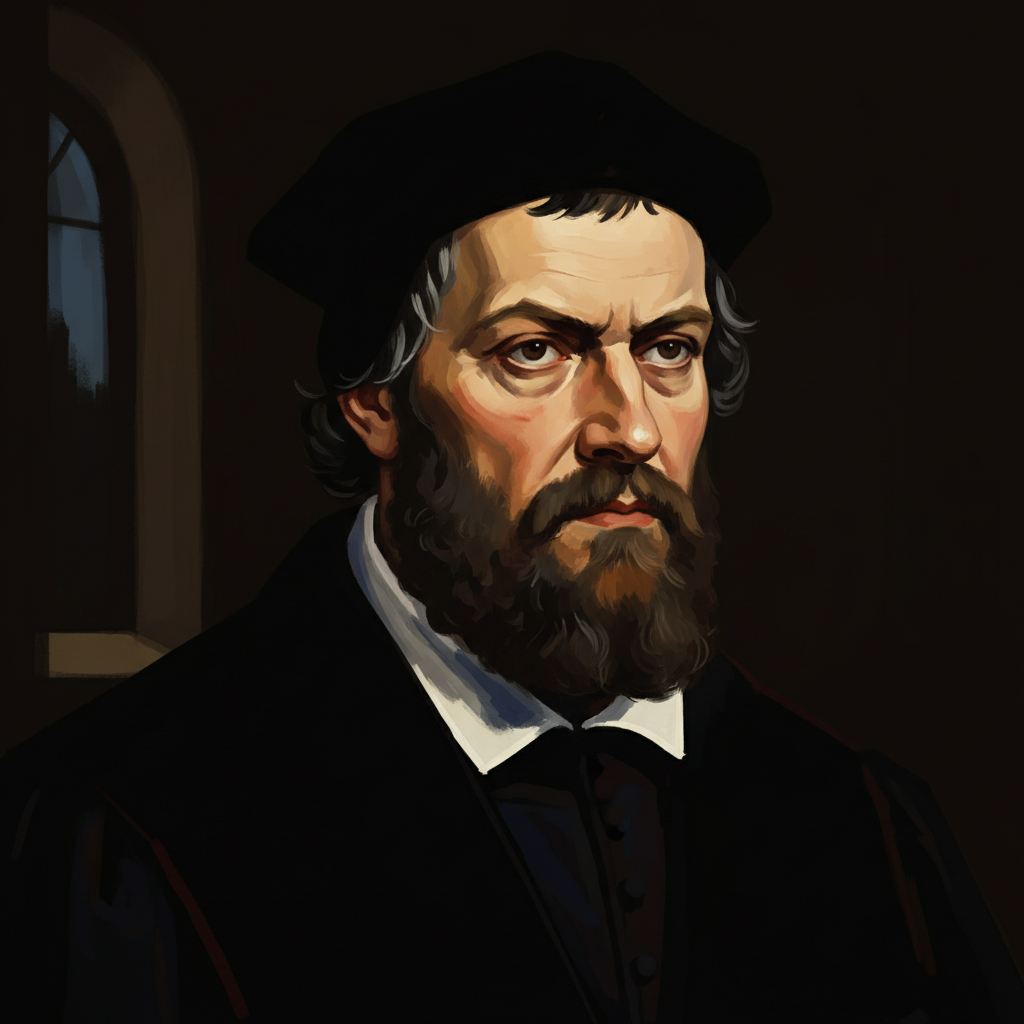
German theologian whose 95 Theses (1517) launched the Protestant Reformation and broke the Catholic Church's monopoly on Western Christianity. Closely associated with Philipp Melanchthon (Lutheran systematizer) and John Calvin (later Reformer who built on Luther's break). For an intellectual contrast, see Pope Leo X, Renaissance pope (1513-1521) — Leo X's indulgence sales triggered Luther's break and Leo excommunicated him in 1521 — Luther's entire Reformation is structured as a direct answer to the indulgence-funded Vatican Leo represented.
Found in 1 providers: deepseek
1 source checked
Real forgiveness only matters if you admit you actually did something wrong. If a preacher offers grace, they need to name genuine sin, not pretend everyone's mistakes are minor or imaginary. Downplaying wrongdoing makes the cure meaningless. You can't accept a serious pardon for a fake crime. Honesty about failure is what gives mercy its weight, and softening sin into something harmless empties grace of all its power.
Luther launched the Reformation by attacking indulgences, which let people buy relief for sins they barely acknowledged. As an Augustinian monk wracked with guilt, he insisted humans are deeply sinful and only radical divine grace saves them. This line, from his 1521 letter to Melanchthon, captures his theology: sin must be faced honestly, not minimized, before grace can mean anything. It reflects his blunt, confrontational preaching style.
In early 1500s Europe, the Catholic Church sold indulgences to fund projects like St. Peter's Basilica, letting wealthy Christians feel absolved cheaply. Luther's 95 Theses (1517) detonated this system, and by 1521 he was excommunicated and hiding at Wartburg Castle. Printing presses spread his writings across German-speaking lands, fracturing Christendom. This quote, written during that exile, pushed back against cheapened forgiveness in a society where religious authority and everyday moral life were being violently renegotiated.
AI-generated insights based on extensive research and information for context. Factual errors? Email [email protected].
Your cart is empty