Benjamin Franklin — "An investment in knowledge always pays the best interest."
An investment in knowledge always pays the best interest.
An investment in knowledge always pays the best interest.
Click any product to generate a realistic preview. Up to 3 at a time.
* Initial load can take up to 90 seconds — revising the preview in another color is nearly instant.
"A heavy ship cannot sink."
"A countryman between two lawyers is like a fish between two cats."
"Honest men marry soon, wise men never."
"He that is rich, and wants a reputation, may buy it dear. But he that is poor, and wants one, may buy it cheap."
"In this world nothing is certain but death and taxes."
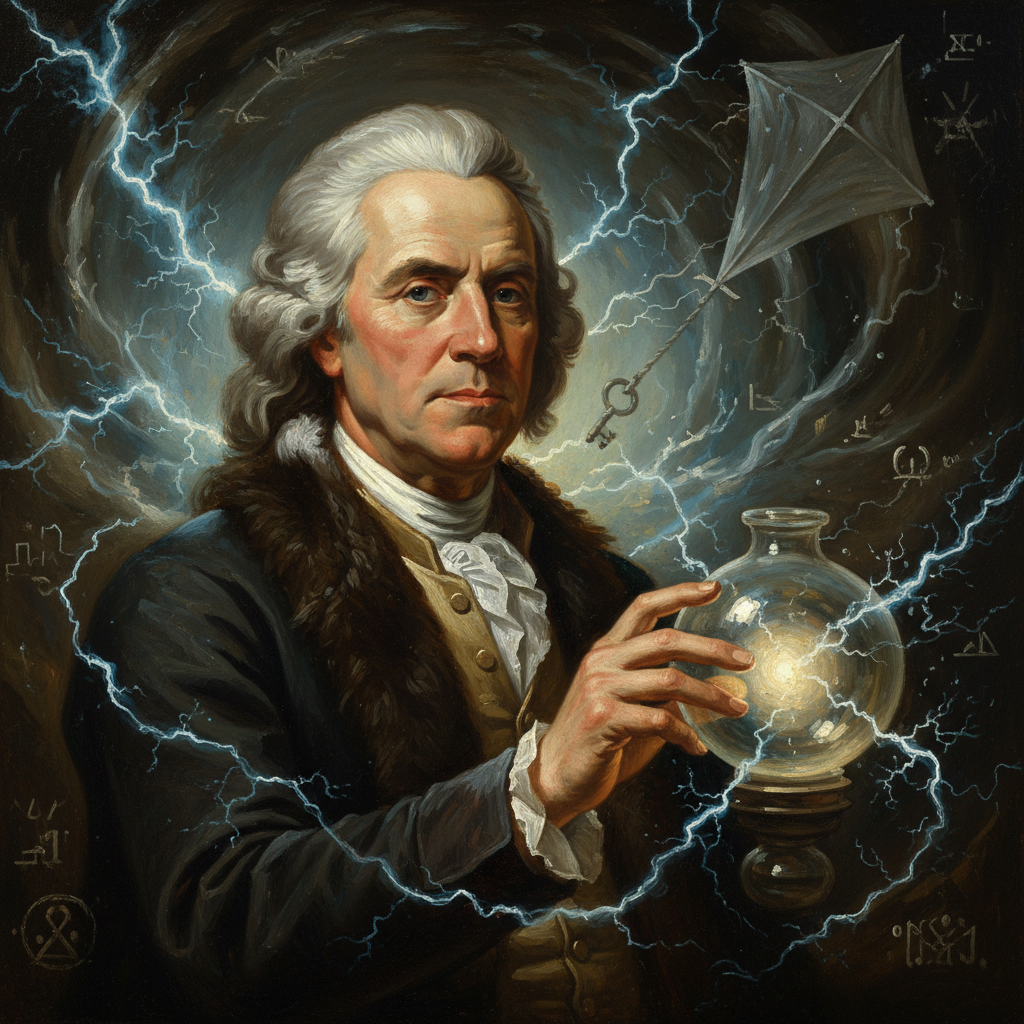
Polymath Founding Father, diplomat, and Poor Richard's Almanack author who helped draft the Declaration of Independence and the Constitution. Closely associated with John Adams (fellow Founder, Massachusetts statesman) and Thomas Jefferson (fellow Declaration drafter). For an intellectual contrast, see Thomas Hutchinson, last royal governor of colonial Massachusetts — Franklin leaked Hutchinson's loyalist correspondence to Boston in 1772 to inflame revolutionary sentiment — Hutchinson represented the colonial-aristocrat crown-loyalty that Franklin's revolution was organized to dismantle.
Found in 3 providers: deepseek,grok,gemini
3 sources checked
Spending time, money, or effort on learning yields returns that never depreciate. Unlike stocks or property, knowledge compounds within you — enabling better decisions, higher earnings, and expanded opportunities throughout your entire life. It argues that education and deliberate self-improvement deliver the highest long-term ROI of any investment, because what you learn cannot be lost to market crashes, inflation, or theft.
Franklin had just two years of formal schooling yet became a scientist, diplomat, publisher, and founding statesman through relentless self-education. He founded America's first public lending library in 1731 and helped establish what became the University of Pennsylvania. His electrical experiments, diplomatic triumph in France, and printing empire all grew from investing in knowledge — making this quote autobiographical as much as philosophical.
Franklin lived during the Enlightenment, when thinkers argued that reason and education — not hereditary rank — determined a person's worth. In colonial America, formal schooling was scarce and books expensive; most people received little beyond basic literacy. Franklin's maxim challenged aristocratic assumptions by insisting anyone who pursued knowledge could rise regardless of birth, making education a quietly revolutionary democratic act in a society still stratified by class.
AI-generated insights based on extensive research and information for context. Factual errors? Email [email protected].
Your cart is empty