Benjamin Franklin — "In this world nothing is certain but death and taxes."
In this world nothing is certain but death and taxes.
In this world nothing is certain but death and taxes.
Click any product to generate a realistic preview. Up to 3 at a time.
* Initial load can take up to 90 seconds — revising the preview in another color is nearly instant.
"Never leave that till tomorrow which you can do today."
"Beer is proof that God loves us and wants us to be happy."
"God heals, and the doctor takes the fees."
"If you're going through hell, keep going."
"The great secret of succeeding in conversation, is to have the address to introduce your own favorite subject, without appearing to take it from others."
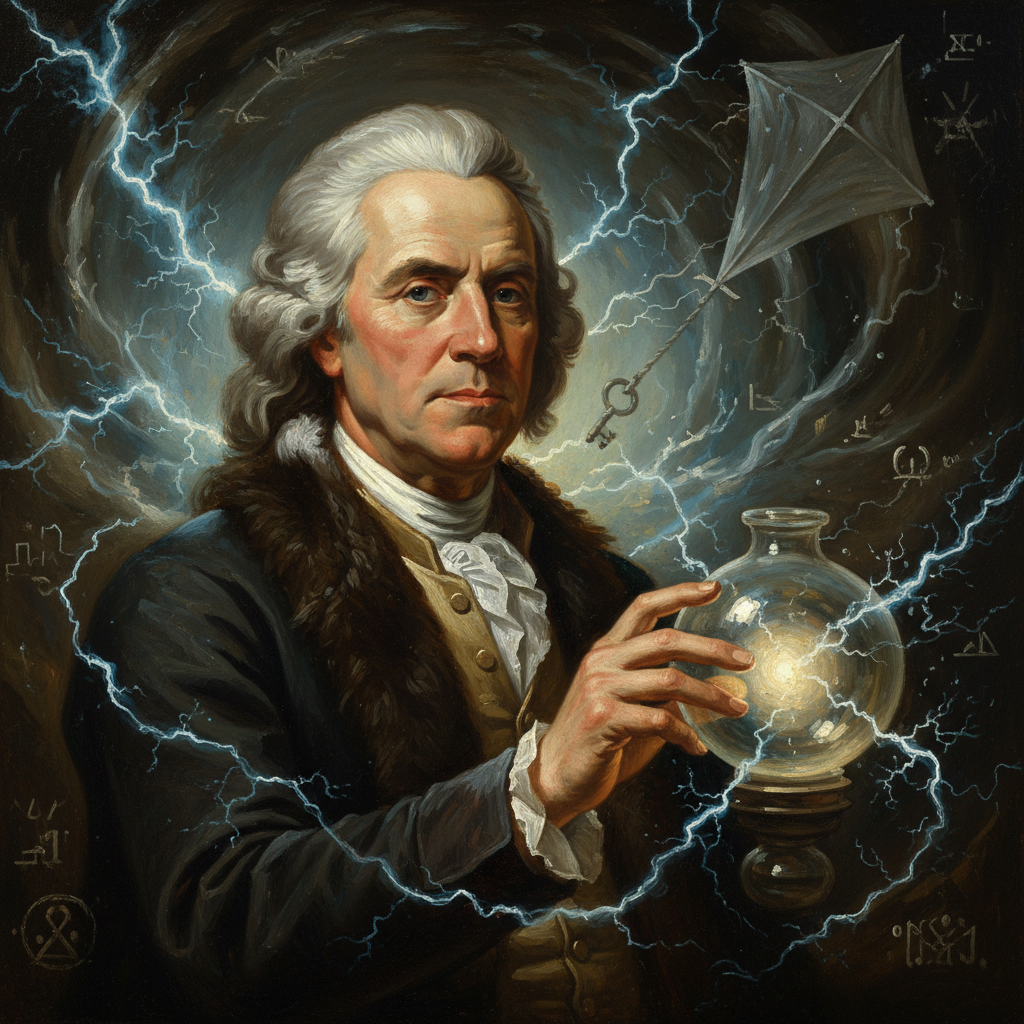
Polymath Founding Father, diplomat, and Poor Richard's Almanack author who helped draft the Declaration of Independence and the Constitution. Closely associated with John Adams (fellow Founder, Massachusetts statesman) and Thomas Jefferson (fellow Declaration drafter). For an intellectual contrast, see Thomas Hutchinson, last royal governor of colonial Massachusetts — Franklin leaked Hutchinson's loyalist correspondence to Boston in 1772 to inflame revolutionary sentiment — Hutchinson represented the colonial-aristocrat crown-loyalty that Franklin's revolution was organized to dismantle.
Found in 1 providers: gemini
1 source checked
No matter your wealth, status, or cleverness, two things will always find you: death and taxes. It's a darkly humorous acknowledgment that human control has hard limits. You can dodge debts, escape enemies, or outlast rivals, but mortality and government collection are inescapable constants. The saying validates the universal frustration with taxation while reminding us that even the most powerful figures throughout history faced the same two certainties.
Franklin wrote this in a 1789 letter to Jean-Baptiste Leroy, just months before his death at 84. As a printer, diplomat, legislator, and postmaster who helped draft the U.S. Constitution, Franklin spent decades navigating civic finance and personal mortality. His practical wit, honed through Poor Richard's Almanack, drove him to distill hard truths into memorable phrases. Having built wealth from nothing, he understood taxation firsthand as both citizen and statesman.
Franklin wrote this in 1789, the year the U.S. Constitution took effect and Washington became president. The new nation wrestled with how to fund itself — tariffs, excise taxes, and Revolutionary War debts were fierce political flashpoints. Meanwhile, the French Revolution was erupting across the Atlantic. Against a backdrop of governments collapsing, rising, and immediately demanding revenue, Franklin's wry remark captured both the permanence of fiscal obligation and the dark certainty every human ultimately shares.
AI-generated insights based on extensive research and information for context. Factual errors? Email [email protected].
Your cart is empty