What it means
Humans don't freely choose what they believe. Our opinions are shaped by circumstances — environment, experience, social conditions — that operate largely below conscious awareness. We can't simply decide to hold different views; they form through forces we often can't trace or resist. This is a frank admission that human belief isn't purely rational or voluntary, but is molded by the world around us in ways that feel inevitable once formed.
Relevance to Benjamin Franklin
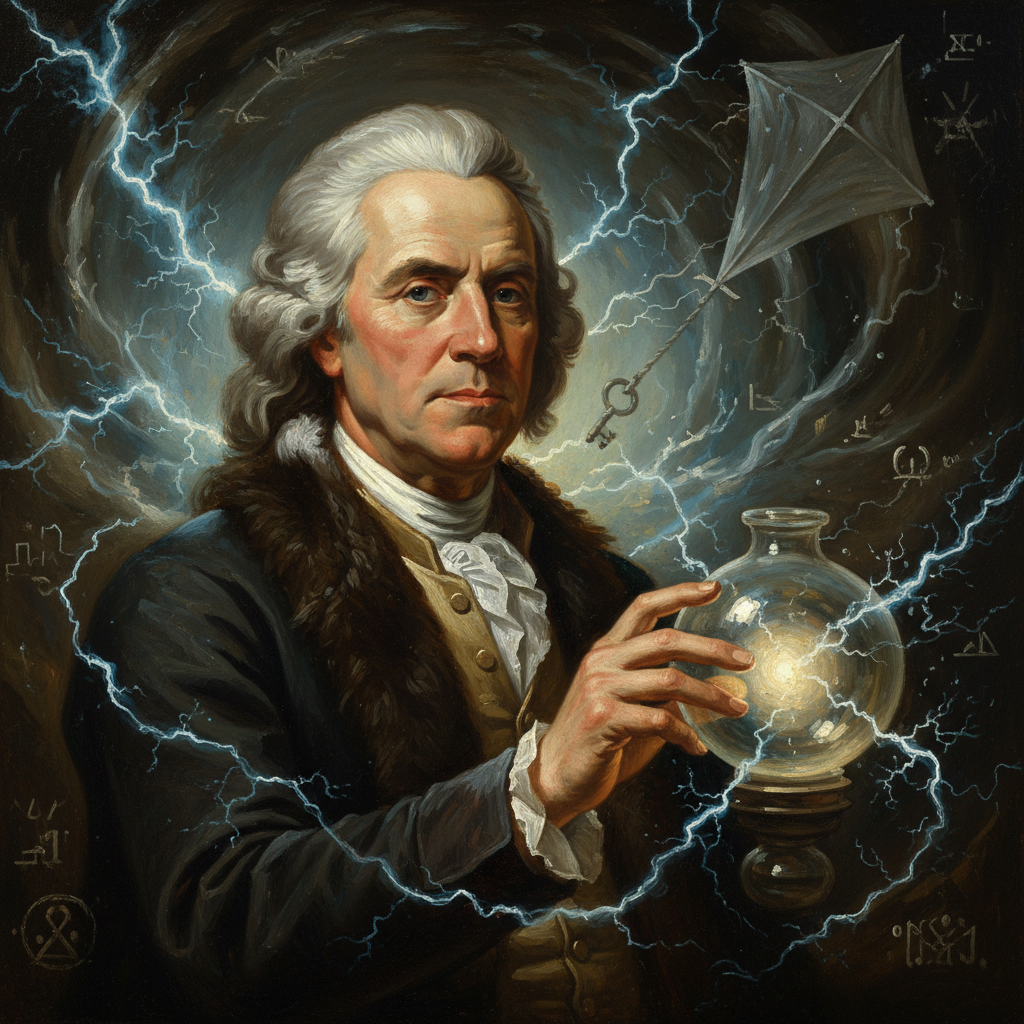
Franklin's diplomatic career put him face-to-face with irreconcilable political opinions — British ministers and American colonists each certain they were right. His own beliefs shifted markedly over his life: born into a Calvinist household, he moved toward deism and pragmatic ethics. His Autobiography candidly tracks these changes. As a scientist, he understood that natural phenomena follow rules beyond human will — he applied that same intellectual humility to the human mind.
The era
The 18th-century Enlightenment elevated reason yet spawned fierce debates over free will and how beliefs form — Locke argued the mind begins blank, shaped entirely by experience. Politically, the American colonies were fracturing: neighbors became Loyalists or Patriots largely based on economic position and local community, not detached reasoning. Religious pluralism — Quakers, Anglicans, Presbyterians — made it obvious that circumstances of birth dictated faith as much as personal conviction.
AI-generated insights based on extensive research and information for context. Factual errors? Email [email protected].