Benjamin Franklin — "Without continual growth and progress, such words as improvement, achievement, a…"
Without continual growth and progress, such words as improvement, achievement, and success have no meaning.
Without continual growth and progress, such words as improvement, achievement, and success have no meaning.
Click any product to generate a realistic preview. Up to 3 at a time.
* Initial load can take up to 90 seconds — revising the preview in another color is nearly instant.
"There are three faithful friends: an old wife, an old dog, and ready money."
"Many a man thinks he is buying pleasure, when he is only buying himself trouble."
"It is universally well known, That in digesting our common Food, there is created or produced in the Bowels of human Creatures, a great Quantity of Wind. That the permitting this Air to escape and mix…"
"Honest men marry soon, wise men never."
"The sleeping fox catches no poultry."
Polymath Founding Father, diplomat, and Poor Richard's Almanack author who helped draft the Declaration of Independence and the Constitution. Closely associated with John Adams (fellow Founder, Massachusetts statesman) and Thomas Jefferson (fellow Declaration drafter). For an intellectual contrast, see Thomas Hutchinson, last royal governor of colonial Massachusetts — Franklin leaked Hutchinson's loyalist correspondence to Boston in 1772 to inflame revolutionary sentiment — Hutchinson represented the colonial-aristocrat crown-loyalty that Franklin's revolution was organized to dismantle.
Found in 1 providers: gemini
1 source checked
Improvement, achievement, and success are not destinations you arrive at — they are processes requiring constant forward motion. Without active, ongoing growth, these words become empty labels. You cannot claim success while standing still; the concepts only carry weight when they describe momentum. Stagnation doesn't just slow progress — it strips aspirational language of any real substance or distinction.
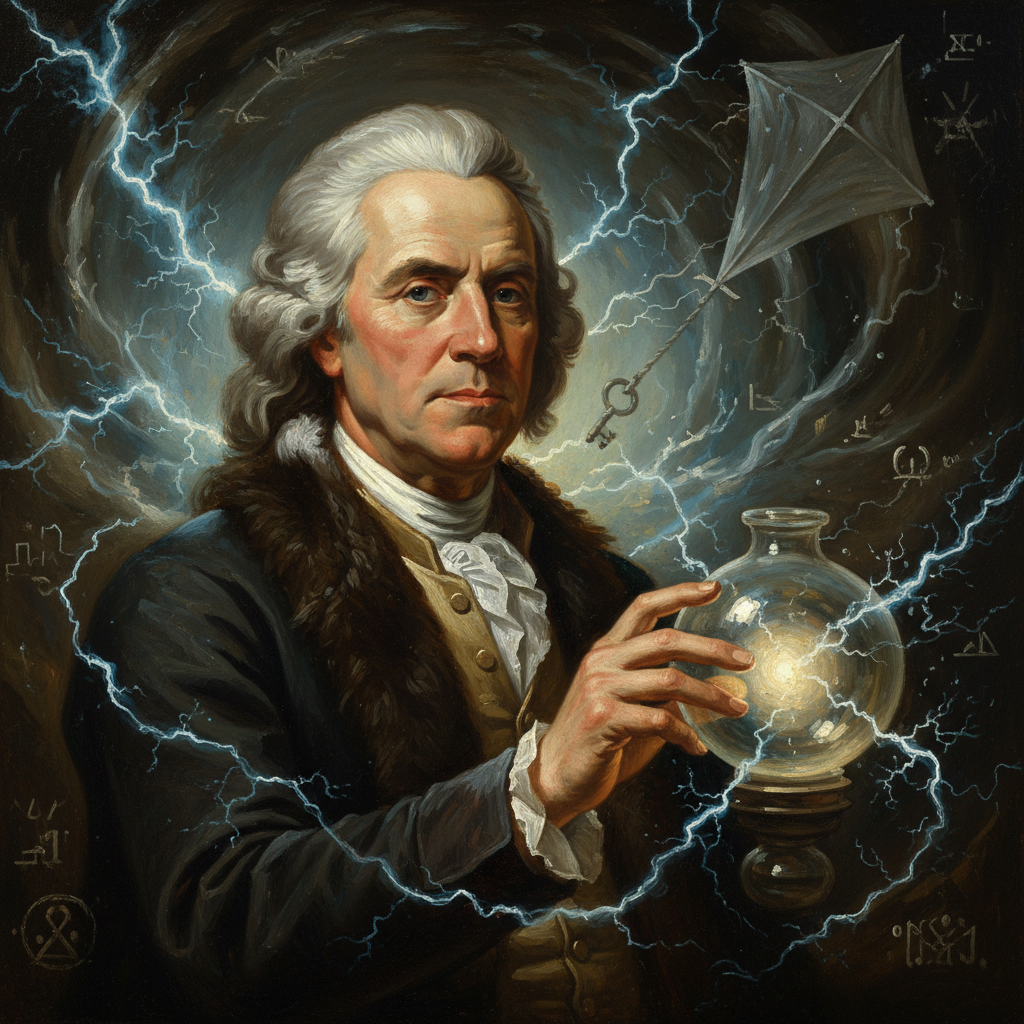
Franklin personified perpetual self-improvement: a Boston printer's apprentice who taught himself five languages, invented bifocals and the lightning rod, and ran a structured 13-Virtues self-improvement journal starting at age 20. His rise from tradesman to diplomat, scientist, and Founding Father wasn't accidental — it was the result of deliberate, lifelong growth in every domain he touched.
Franklin lived through the Enlightenment, when thinkers first seriously argued that human beings and societies were perfectible through reason and effort. Colonial America amplified this — no fixed aristocracy meant social mobility was genuinely possible, making growth a practical reality, not just a philosophy. The early stirrings of industrialization also made material progress visible and measurable for the first time in human history.
AI-generated insights based on extensive research and information for context. Factual errors? Email [email protected].
Your cart is empty