Carl Linnaeus — "The species and the genus are always the work of nature [i.e. specially created]…"

The species and the genus are always the work of nature [i.e. specially created]; the variety mostly that of circumstance; the class and the order are the work of nature and art.
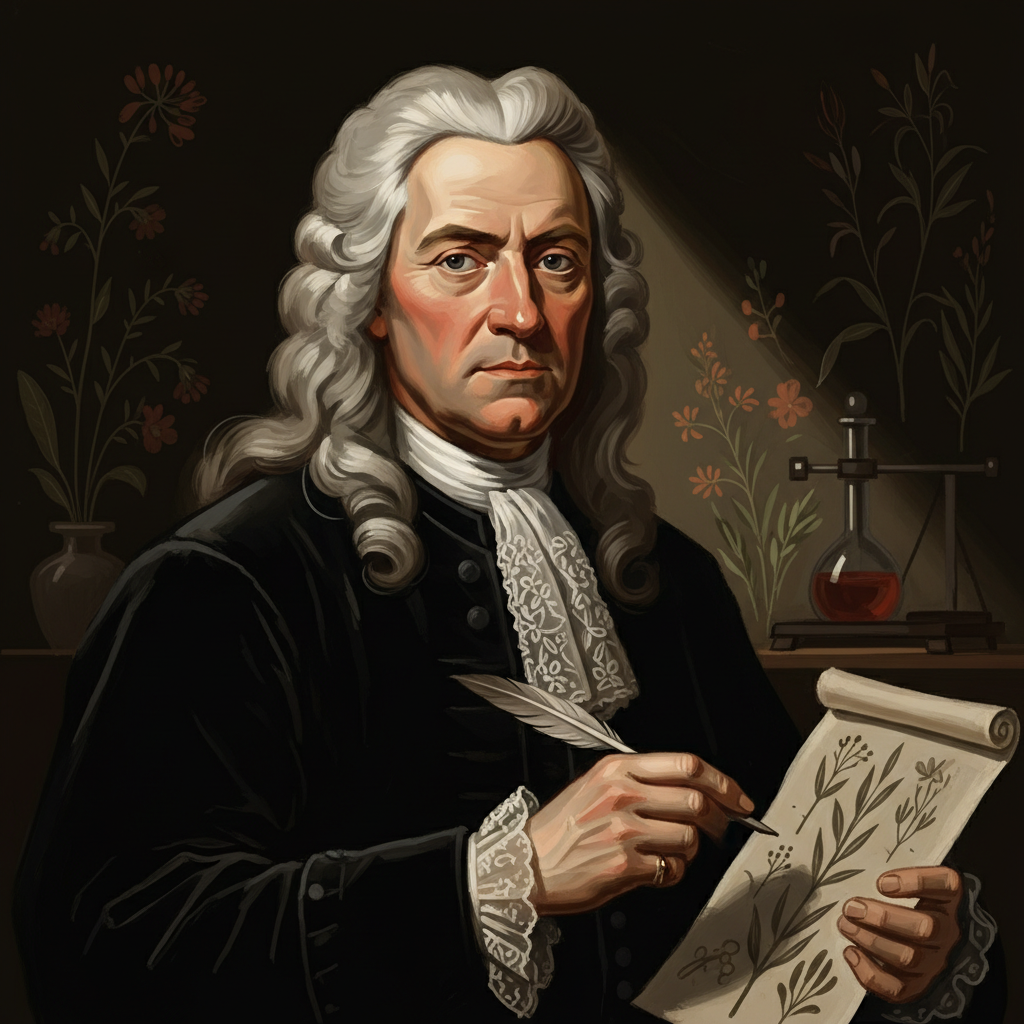
Carl Linnaeus — Carl Linnaeus Early Modern · Biological taxonomy

Get This Quote & Author's Image Illustrated On:

Click any product to generate a realistic preview. Up to 3 at a time.
* Initial load can take up to 90 seconds — revising the preview in another color is nearly instant.

Kitchen

Apparel

Other

About Carl Linnaeus (1707-1778)

Swedish botanist and the father of modern taxonomy whose Systema Naturae (1735) introduced binomial nomenclature for naming all species. Closely associated with Joseph Banks (British naturalist who carried Linnaean classification on Cook's voyages). For an intellectual contrast, see Comte de Buffon, French naturalist and Histoire Naturelle author (1749-1788) — Buffon explicitly attacked Linnaean fixed-categories taxonomy as artificial and rejected the binomial system; his gradualist, environment-shaped natural history was the explicit alternative. Anticipates the fixed-species-vs-evolution debate Darwin would later resolve.

Details

From 'Philosophia Botanica' (1751), aphorism 162. A statement on the origin of biological categories, distinguishing natural kinds from human constructs.

Date: 1751

Philosophical

Verification

Unverifiable

Found in 1 providers: gemini

1 source checked

Understanding this quote

What it means

Nature itself creates distinct species and genera — these are real, fixed categories in the living world. Varieties arise from environmental pressures or chance conditions. But the higher groupings — classes and orders — are partly nature's handiwork and partly human intellectual constructs imposed to make sense of natural patterns.

Relevance to Carl Linnaeus

Linnaeus built the binomial nomenclature system still used today, classifying thousands of organisms. This quote captures his core tension: he believed species were divinely fixed yet recognized that higher taxonomic ranks were partly his own systematic invention — a remarkably self-aware admission from the father of modern taxonomy.

The era

In 18th-century Europe, natural philosophy sought divine order in creation. Linnaeus worked during the Enlightenment, when systematic reason was applied to nature. Species fixity aligned with Christian creationism dominating science then, while his acknowledgment that classification involved 'art' reflected Enlightenment empiricism — humans rationally organizing God's creation rather than passively receiving revealed truth.

AI-generated insights based on extensive research and information for context. Factual errors? Email [email protected].
Your Cart

Your cart is empty