What it means
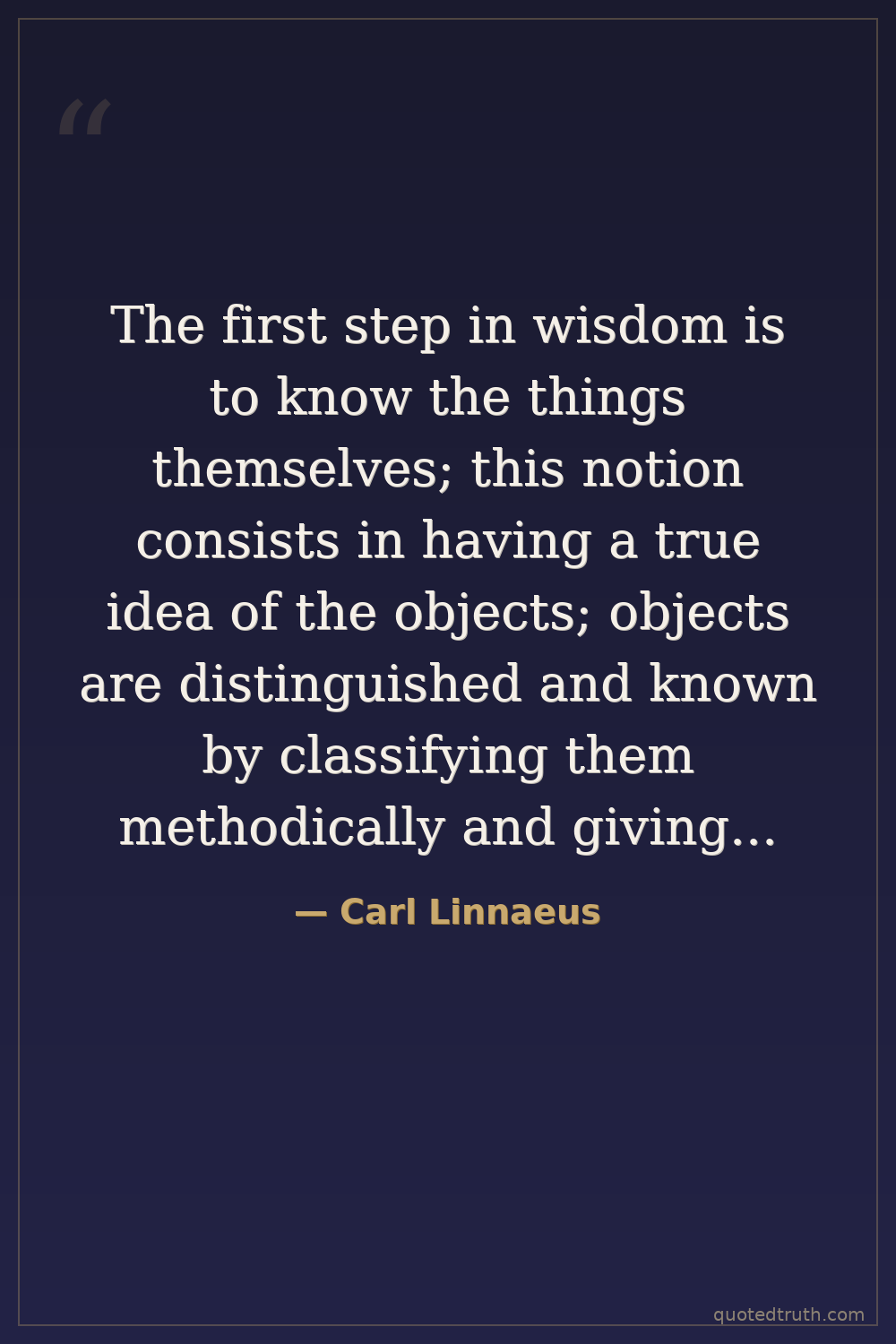
True understanding begins with accurately knowing what things are. To know something, you must distinguish it from other things by organizing it into categories and assigning it a precise name. Without systematic classification and proper naming, knowledge stays confused and unreliable. Naming and organizing are not bureaucratic exercises—they are the fundamental tools that make science possible, letting people communicate, compare observations, and build cumulative knowledge across generations.
Relevance to Carl Linnaeus
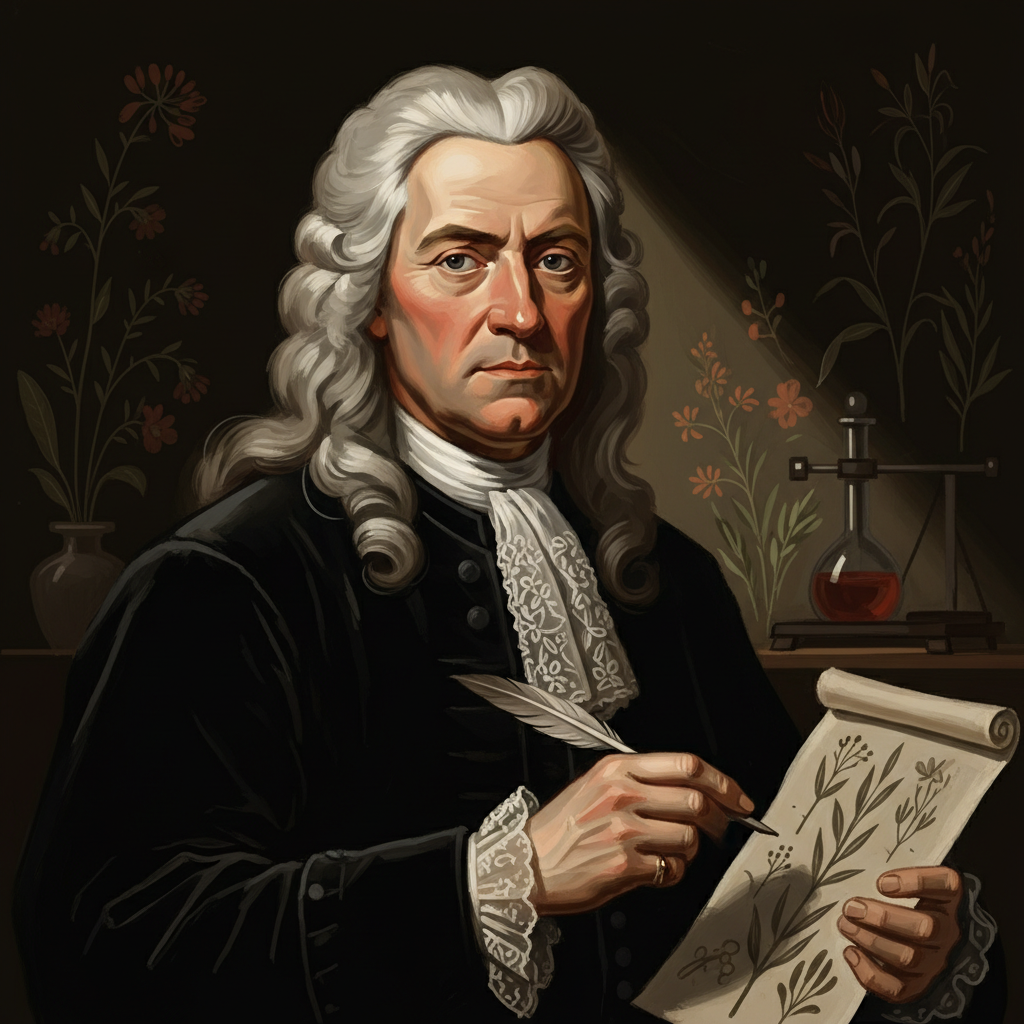
Linnaeus (1707–1778) invented binomial nomenclature—the two-part Latin genus-species system still used today—and classified thousands of plants, animals, and minerals in Systema Naturae and Species Plantarum. This quote is his scientific manifesto. He believed chaos in naming meant chaos in knowledge, and spent his life imposing rigorous order on nature. Colleagues called him the Prince of Botanists; he called himself the second Adam, tasked with naming creation.
The era
Linnaeus worked during the Enlightenment while European explorers returned with thousands of unknown species from the Americas, Africa, and Asia. Natural history was exploding but incoherent—different nations used different names for identical organisms, making scientific exchange nearly impossible. The era's broader obsession with reason, order, and universal systems made taxonomy feel philosophically urgent. Linnaeus gave science a shared language at exactly the moment global biological discovery made one desperately necessary.
AI-generated insights based on extensive research and information for context. Factual errors? Email [email protected].