What it means
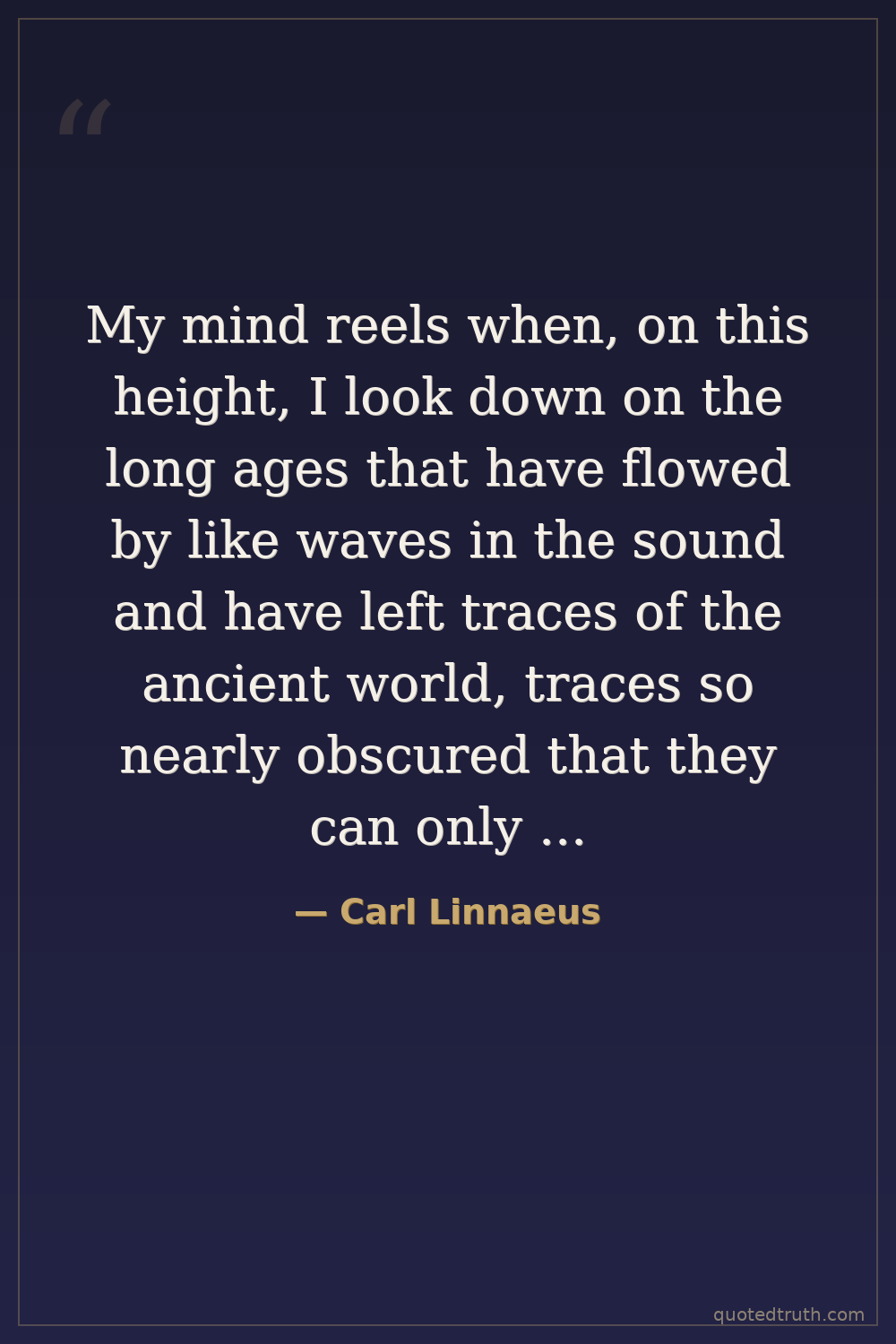
Standing at an elevated vantage, the speaker is overwhelmed by the immensity of geological and natural time stretching behind them. Vast eras have passed like ocean waves, leaving only faint physical traces of what once existed. Those traces are so eroded they can barely whisper their stories. It is a meditation on impermanence — how completely the past disappears, and how humbling it is to glimpse its ghostly remnants.
Relevance to Carl Linnaeus
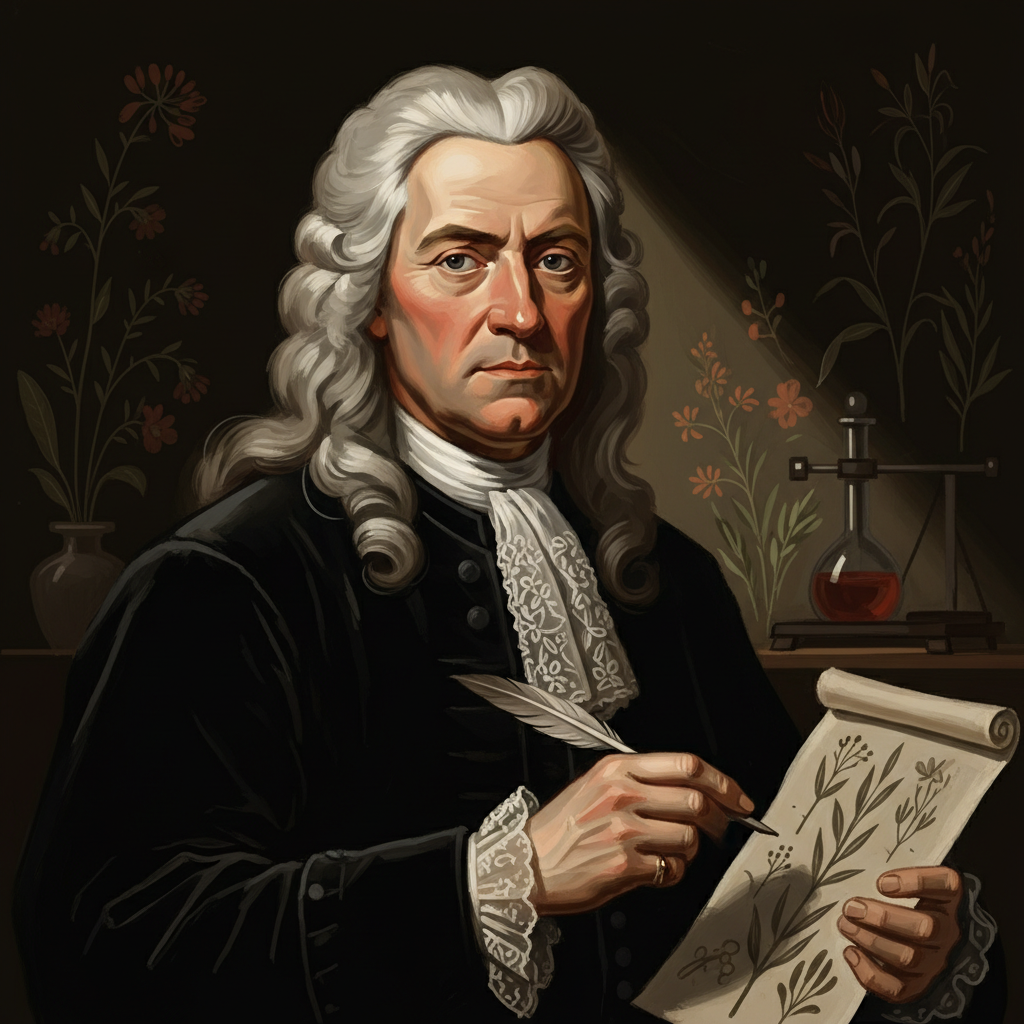
Linnaeus dedicated his life to cataloguing nature's diversity — naming species so future generations could read the natural world. His field expeditions across Sweden revealed geological strata and ancient landscapes. He studied fossils and natural history with systematic rigor. This quote reflects his awareness that nature contains layered records of past ages, readable only through careful observation — mirroring exactly the taxonomic patience required to decode what nature has almost silenced.
The era
Linnaeus worked during the 18th century, when European natural philosophers were first confronting the possibility of deep geological time. Steno, Buffon, and others proposed Earth was far older than scripture implied. Fossils were being recognized as traces of extinct creatures. This tension between biblical chronology and emerging earth science was intensifying throughout Linnaeus's lifetime, making his reverence for ancient natural traces both scientifically resonant and culturally daring.
AI-generated insights based on extensive research and information for context. Factual errors? Email [email protected].