What it means
Real greatness, whether in a person or a country, shows up in how mistakes are handled. The mature response is a chain: notice the error, openly admit it, then fix it. Going further, treat critics as valuable teachers rather than attackers, and view enemies with the same empathy you give yourself. Strength is humility, accountability, and refusing to look down on anyone, even opponents.
Relevance to Laozi
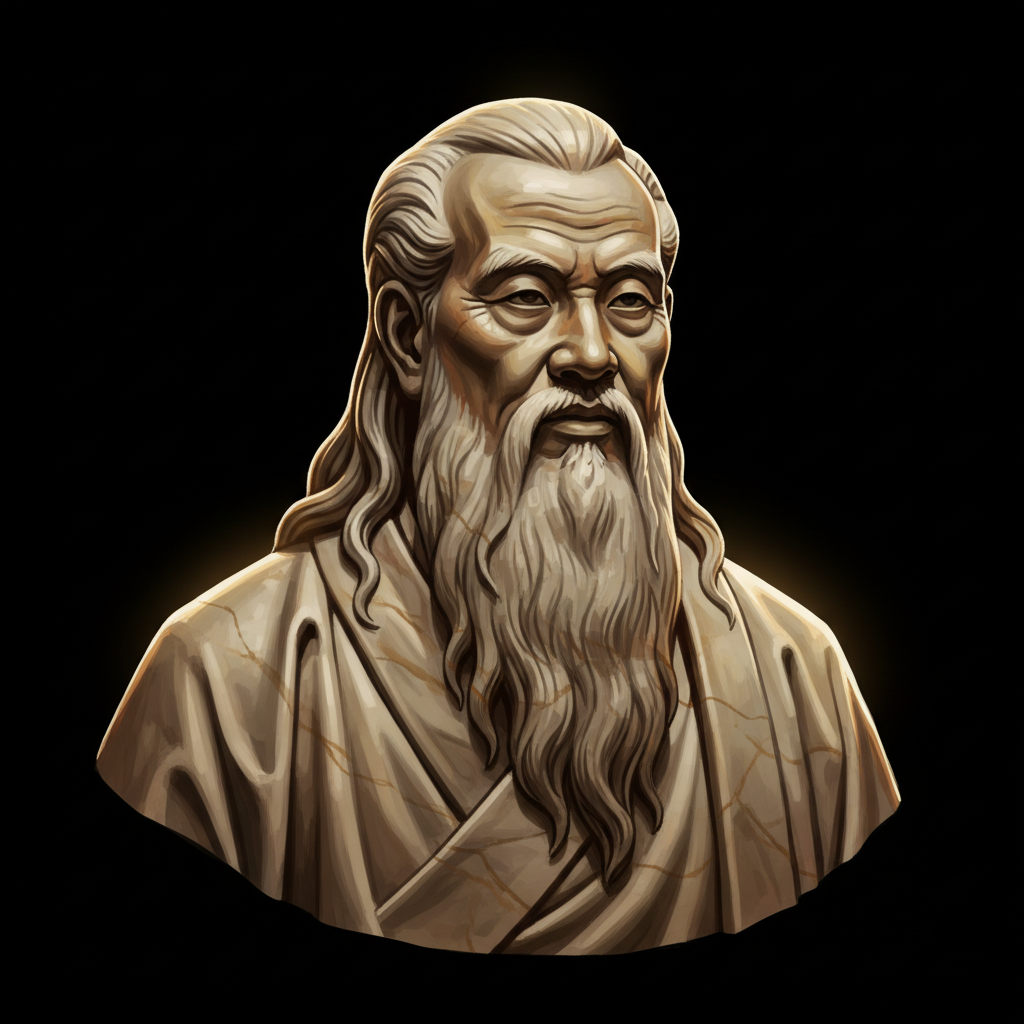
Laozi, the legendary founder of Taoism and reputed author of the Tao Te Ching, taught wu wei (effortless action) and the power of yielding over force. Tradition holds he worked as a court archivist in the Zhou dynasty, observing rulers closely. His preference for soft humility over rigid pride, and his belief that the sage sees no enemies because he sees the unity of all things, runs directly through this passage about self-correction and treating opponents as kin.
The era
Laozi is traditionally placed in the 6th century BCE, during the late Zhou dynasty as it decayed into the Warring States era. Feudal lords waged constant war, ministers schemed, and rival philosophies like Confucianism and Legalism competed to advise kings. Against that backdrop of arrogant rulers and ruthless statecraft, a teaching that great nations and great leaders must admit faults, welcome critics, and refuse contempt for enemies was a radical counterweight to the militarism and hierarchical pride of the age.
AI-generated insights based on extensive research and information for context. Factual errors? Email [email protected].