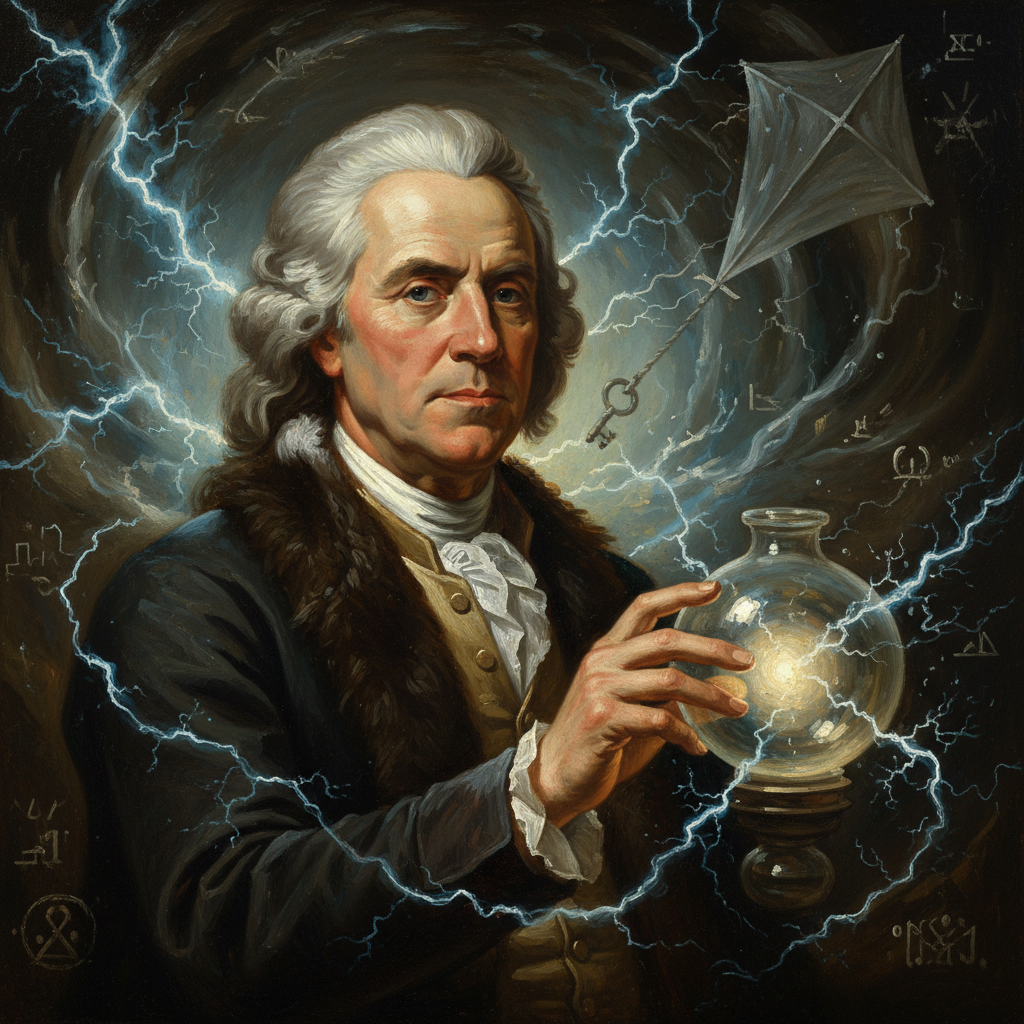
Benjamin Franklin — "A false friend and a shadow attend only while the sun shines."
A false friend and a shadow attend only while the sun shines.
A false friend and a shadow attend only while the sun shines.
Click any product to generate a realistic preview. Up to 3 at a time.
* Initial load can take up to 90 seconds — revising the preview in another color is nearly instant.
"There are in life real evils enough, and it is folly to afflict ourselves with imaginary ones; it is time enough when the real ones arrive."
"Money can't buy happiness, but it can make you awfully comfortable while you're being miserable."
"Wish not so much to live long as to live well."
"He that has a trade, has an estate; and he that has a calling, has an office of profit and honor."
"I should have no objection to a repetition of the same life from its beginning, only asking the advantages authors have in a second edition to correct some faults of the first."
Polymath Founding Father, diplomat, and Poor Richard's Almanack author who helped draft the Declaration of Independence and the Constitution. Closely associated with John Adams (fellow Founder, Massachusetts statesman) and Thomas Jefferson (fellow Declaration drafter). For an intellectual contrast, see Thomas Hutchinson, last royal governor of colonial Massachusetts — Franklin leaked Hutchinson's loyalist correspondence to Boston in 1772 to inflame revolutionary sentiment — Hutchinson represented the colonial-aristocrat crown-loyalty that Franklin's revolution was organized to dismantle.
Found in 1 providers: grok
1 source checked
Fair-weather friends disappear the moment your luck runs out. Just as a shadow exists only when sunlight is present—vanishing the instant clouds gather—false friends stay close during prosperity but abandon you in hardship. The quote strips away sentimentality: some people attach themselves to your fortune, not to you. When circumstances darken, they're gone. True friendship holds regardless of conditions; false friendship is simply self-interest wearing a smile.
Franklin published this in Poor Richard's Almanack, his annual compendium of practical wisdom for ordinary colonists. As a self-made printer who rose from Boston poverty to become America's most celebrated diplomat, he watched social climbers attach themselves to success and vanish with adversity. His years in London and Paris—navigating opportunistic politicians and shifting alliances—gave him firsthand knowledge of flattery masquerading as loyalty. Franklin prized honest relationships and had little patience for pretense.
In 18th-century colonial America, economic fortunes shifted rapidly—merchants could rise or collapse within seasons, and political alliances in the turbulent pre-Revolutionary period were notoriously unstable. Patronage culture dominated: advancement depended on proximity to the powerful. The Enlightenment simultaneously promoted rational self-interest, making transactional relationships culturally visible. Franklin's readership—tradespeople, farmers, craftsmen—needed practical warnings against misplaced trust. Distinguishing genuine bonds from opportunistic ones was survival knowledge in a society where ruin could come quickly.
AI-generated insights based on extensive research and information for context. Factual errors? Email [email protected].
Your cart is empty