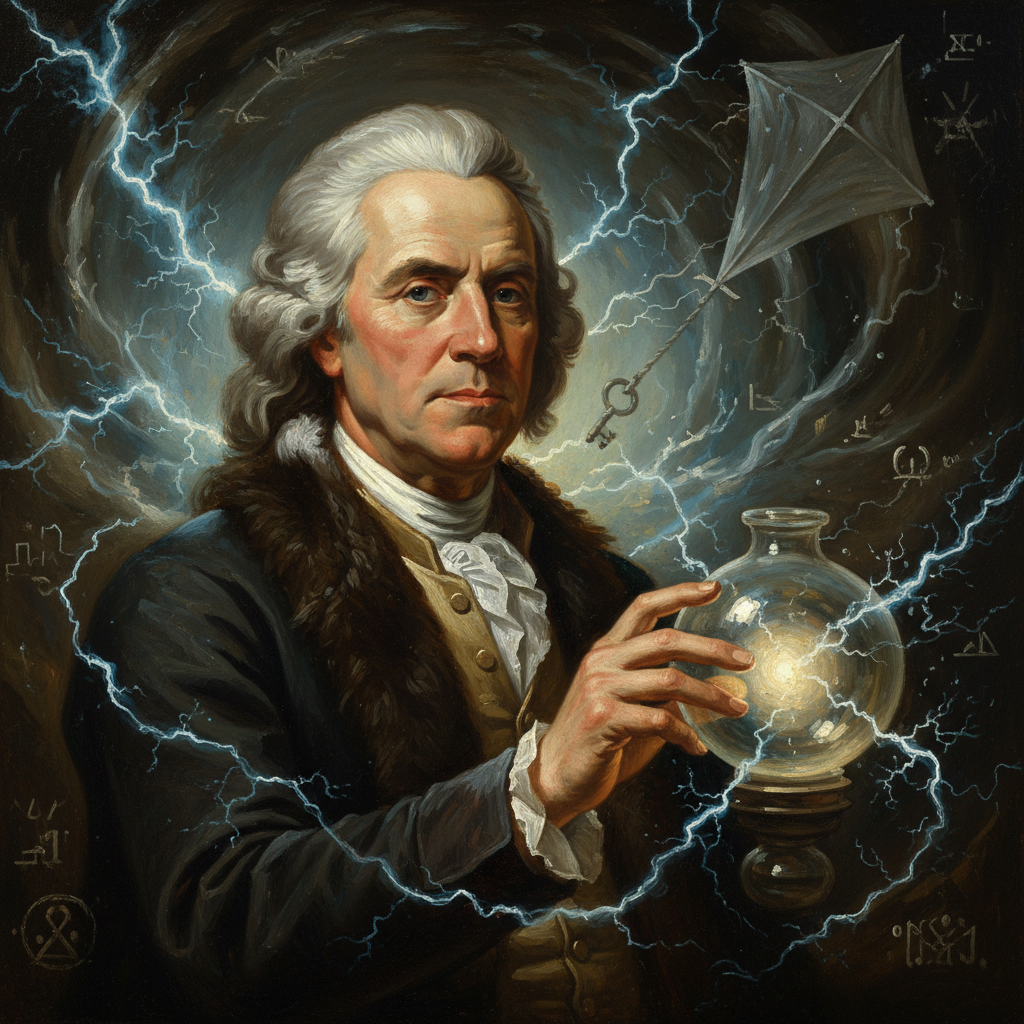
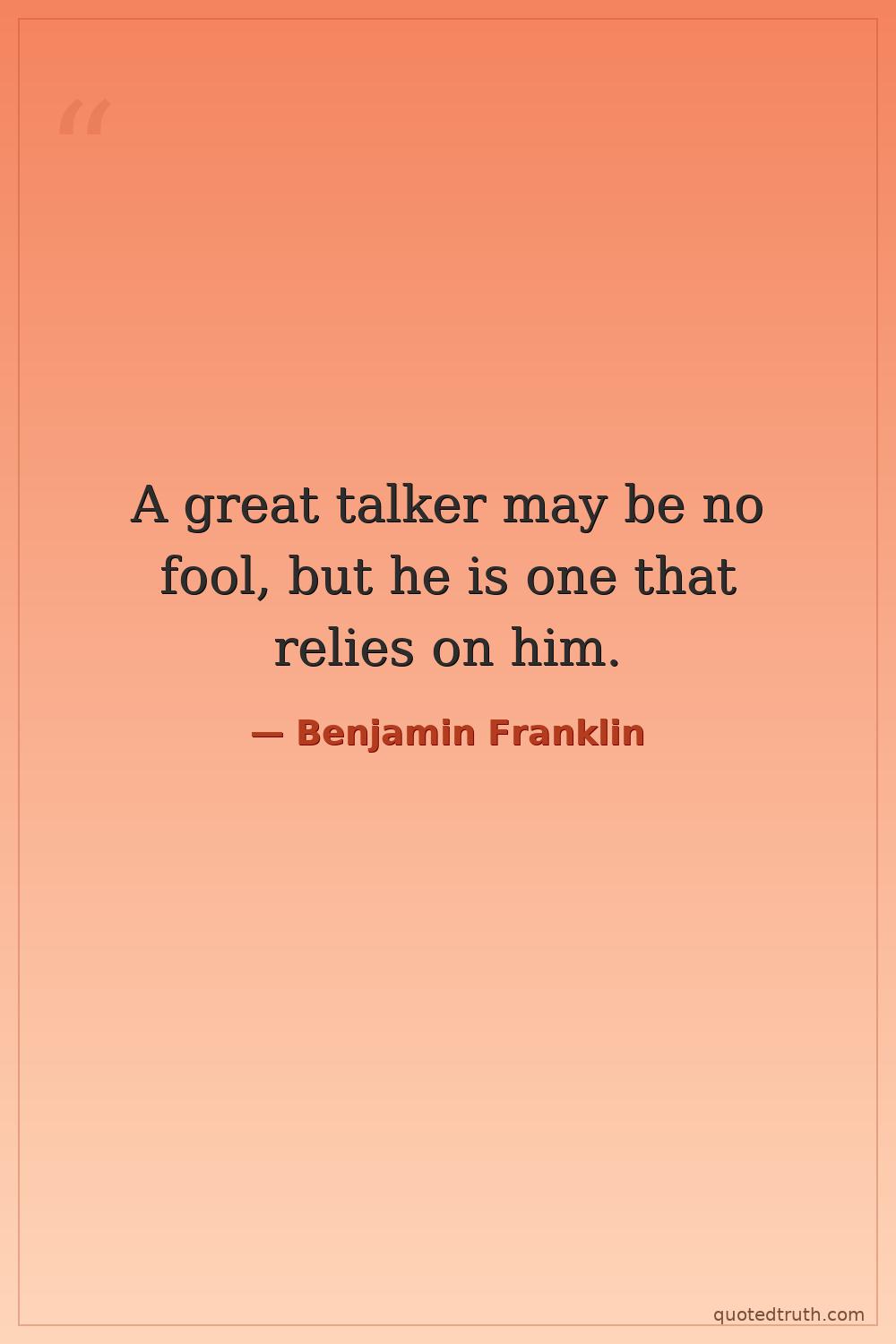
Benjamin Franklin — "A great talker may be no fool, but he is one that relies on him."
A great talker may be no fool, but he is one that relies on him.
A great talker may be no fool, but he is one that relies on him.
Click any product to generate a realistic preview. Up to 3 at a time.
* Initial load can take up to 90 seconds — revising the preview in another color is nearly instant.
"A heavy ship cannot sink."
"The eye of the master will do more work than both his hands."
"After crosses and losses, men grow humbler and wiser."
"What maintains one vice would bring up two children."
"Employ thy time well, if thou meanest to gain leisure."
Polymath Founding Father, diplomat, and Poor Richard's Almanack author who helped draft the Declaration of Independence and the Constitution. Closely associated with John Adams (fellow Founder, Massachusetts statesman) and Thomas Jefferson (fellow Declaration drafter). For an intellectual contrast, see Thomas Hutchinson, last royal governor of colonial Massachusetts — Franklin leaked Hutchinson's loyalist correspondence to Boston in 1772 to inflame revolutionary sentiment — Hutchinson represented the colonial-aristocrat crown-loyalty that Franklin's revolution was organized to dismantle.
Found in 1 providers: gemini
1 source checked
While a smooth-talker might actually be intelligent, the real fool is whoever trusts and depends on them. Eloquence and reliability are entirely separate qualities. Someone can speak brilliantly yet still be untrustworthy or fail to deliver. The warning targets the listener, not the speaker—foolishness lies in letting impressive words substitute for demonstrated character and action. Judge people by what they do, not how convincingly they speak.
Franklin was himself a masterful communicator—printer, almanac author, diplomat—yet he consistently prized demonstrated results over rhetoric. Negotiating in Paris with courtiers who talked brilliantly but delivered little sharpened his skepticism. His Poor Richard's Almanack repeatedly warned against trusting words over deeds. A self-made man who built his reputation through invention, enterprise, and tangible civic achievement, Franklin understood eloquence as a tool, never as proof of a person's dependability or character.
In Franklin's era, political oratory and religious revivalism made public speech enormously powerful. Britain's Parliament and colonial assemblies were dominated by eloquent men; crowds were swept by preachers like George Whitefield. Yet the Enlightenment prized reason and evidence over inherited authority. As American colonists debated independence, distinguishing genuine leadership from skilled persuasion was a survival skill. Franklin's caution cut directly against the era's tendency to mistake a man's polished tongue for his trustworthiness.
AI-generated insights based on extensive research and information for context. Factual errors? Email [email protected].
Your cart is empty